
What's inside
What's inside
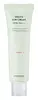 Key Ingredients
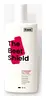
Benefits
Concerns
Ingredients Side-by-side
Water
Skin ConditioningAlcohol
Antimicrobial




Diethylamino Hydroxybenzoyl Hexyl Benzoate
UV Filter
Bis-Ethylhexyloxyphenol Methoxyphenyl Triazine
Skin Conditioning
Butyloctyl Salicylate
Skin Conditioning
Dibutyl Adipate
EmollientEthylhexyl Triazone
UV Absorber
Hexyl Laurate
Emollient
Niacinamide
Smoothing











Polymethylsilsesquioxane

Caprylyl Methicone
Skin Conditioning
Sodium Acrylates Crosspolymer-2
AbsorbentChlorella Minutissima Extract
Skin ConditioningBeta Vulgaris Root Extract
Skin ConditioningIsoamyl P-Methoxycinnamate
UV Absorber
Polysilicone-15
UV Filter
1,2-Hexanediol
Skin Conditioning
Pentylene Glycol
Skin Conditioning
Butylene Glycol
Humectant
Glucose
Humectant
Sodium Polyacryloyldimethyl Taurate
Emulsion StabilisingHydroxyacetophenone
Antioxidant
Polyacrylate Crosspolymer-6
Emulsion StabilisingFructooligosaccharides
Humectant
Fructose
Humectant
Ethylhexyl Olivate
Skin Conditioning
Sodium Acrylates Copolymer
Polyglyceryl-4 Oleate
Emulsifying
Adenosine
Skin Conditioning
Ethylhexylglycerin
Skin ConditioningDisodium EDTA
Water, Alcohol, Diethylamino Hydroxybenzoyl Hexyl Benzoate, Bis-Ethylhexyloxyphenol Methoxyphenyl Triazine, Butyloctyl Salicylate, Dibutyl Adipate, Ethylhexyl Triazone, Hexyl Laurate, Niacinamide, Polymethylsilsesquioxane, Caprylyl Methicone, Sodium Acrylates Crosspolymer-2, Chlorella Minutissima Extract, Beta Vulgaris Root Extract, Isoamyl P-Methoxycinnamate, Polysilicone-15, 1,2-Hexanediol, Pentylene Glycol, Butylene Glycol, Glucose, Sodium Polyacryloyldimethyl Taurate, Hydroxyacetophenone, Polyacrylate Crosspolymer-6, Fructooligosaccharides, Fructose, Ethylhexyl Olivate, Sodium Acrylates Copolymer, Polyglyceryl-4 Oleate, Adenosine, Ethylhexylglycerin, Disodium EDTA
Water
Skin ConditioningPropanediol
Solvent
Pentylene Glycol
Skin Conditioning
1,2-Hexanediol
Skin Conditioning
Acrylates/C10-30 Alkyl Acrylate Crosspolymer
Emulsion StabilisingBeta Vulgaris Root Extract
Skin ConditioningBisabolol
Antioxidant
Caprylyl Glycol
Emollient
Citric Acid
Buffering
Ethylhexyl Methoxycrylene
Skin Conditioning
Eugenia Caryophyllus Bud Extract
Perfuming
Hyaluronic Acid
Humectant
Hydroxyacetophenone
Antioxidant
Isohexadecane
EmollientPolysorbate 80
Emulsifying
Salix Alba Bark Extract
Astringent
Sodium Acrylate/Sodium Acryloyldimethyl Taurate Copolymer
Emulsion StabilisingSodium Hydroxide
BufferingSolidago Virgaurea Extract
Skin ConditioningSorbitan Oleate
Emulsifying
Tocopheryl Acetate
Antioxidant
Trisodium Ethylenediamine Disuccinate
Xanthan Gum
EmulsifyingWater, Propanediol, Pentylene Glycol, 1,2-Hexanediol, Acrylates/C10-30 Alkyl Acrylate Crosspolymer, Beta Vulgaris Root Extract, Bisabolol, Caprylyl Glycol, Citric Acid, Ethylhexyl Methoxycrylene, Eugenia Caryophyllus Bud Extract, Hyaluronic Acid, Hydroxyacetophenone, Isohexadecane, Polysorbate 80, Salix Alba Bark Extract, Sodium Acrylate/Sodium Acryloyldimethyl Taurate Copolymer, Sodium Hydroxide, Solidago Virgaurea Extract, Sorbitan Oleate, Tocopheryl Acetate, Trisodium Ethylenediamine Disuccinate, Xanthan Gum
Alternatives
Ingredients Explained
These ingredients are found in both products.
Ingredients higher up in an ingredient list are typically present in a larger amount.
1,2-Hexanediol is a synthetic liquid and another multi-functional powerhouse.
It is a:
- Humectant, drawing moisture into the skin
- Emollient, helping to soften skin
- Solvent, dispersing and stabilizing formulas
- Preservative booster, enhancing the antimicrobial activity of other preservatives
Beta Vulgaris Root Extract comes from the beet root plant. Beet Root has high Vitamin C content.
Beet roots also contain antioxidants. Antioxidants help fight free-radicals. Free-radicals are molecules that may damage your skin cells, such as pollution.
Beet root has many benefits when eaten. More research is needed on applying beetroot in skincare.
Beet Root is used to add pink/red color.
Learn more about Beta Vulgaris Root ExtractHydroxyacetophenone is a small phenolic molecule that earns its place in a formulas as an antioxidant and preservative booster.
As a phenol, it is able to neutralize free radicals to protect both the product and the skin from oxidative stress.
Though it can't kill microbes on its own, it works as a good supporting agent when combined with other preservatives like Phenoxyethanol or 1,2-Hexanediol.
This ingredient naturally occurs as piceol in Norwegian spruce needles (~0.4-1.1% dry weight and in cloudberries). Though the cosmetic-grade material is synthesized for purity and consistency.
You'll usually see it used at low levels and suppliers recommend up to 1% added to a water phase.
Safety testing was done at concentrations like 0.05% in SPF products and 0.5% in a Human Repeated Insult Patch Test. The safety evidence is assuring; this ingredient is safe for cosmetics in current use and also holds safety status as a food flavoring as well.
An honest caveat: the "soothing" and "anti-inflammatory" claims come mostly from supplier marketing rather than published clinical trials. The Cosmetic Ingredient Review's own literature search found no useful efficacy studies on this ingredient.
So the antioxidant and preservative-boosting roles are the well supported ones while the calming benefit is plausible but thinly evidenced.
Overall, this is a well-tolerated, low-irritation multitasker that quietly helps a formula stay fresh and stable.
Learn more about HydroxyacetophenonePentylene Glycol (1,2-pentanediol) is a multitasking little diol with three main roles in a formula:
Research on alkanediols (the family pentylene glycol belongs to) show they work by disrupting microbial cell membranes. This disruption helps the primary preservative system in a product work more effectively at lower doses.
On the safety side, the Cosmetic Ingredient Review Expert Panel has concluded this ingredient to be safe as used in current cosmetic practices + concentrations.
Typical use levels in a formula run about 1-5%.
Learn more about Pentylene GlycolWater. It's the most common cosmetic ingredient of all. You'll usually see it at the top of ingredient lists, meaning that it makes up the largest part of the product.
So why is it so popular? Water most often acts as a solvent - this means that it helps dissolve other ingredients into the formulation.
You'll also recognize water as that liquid we all need to stay alive. If you see this, drink a glass of water. Remember to stay hydrated!
Learn more about Water

