
What's inside
What's inside
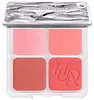 Key Ingredients
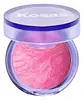
Benefits
Concerns
Ingredients Side-by-side
Mica
Cosmetic ColorantKaolin
Abrasive



Silica
Abrasive
Cetearyl Isononanoate
Emollient
Magnesium Myristate


Dimethicone
Emollient

Zinc Stearate
Cosmetic ColorantLauroyl Lysine
Skin Conditioning
Polyglyceryl-3 Diisostearate
Emulsifying

Cetyl Alcohol
Emollient

Bis-Diglyceryl Polyacyladipate-2
Emollient
Polyacrylate Crosspolymer-6
Emulsion StabilisingPropanediol
Solvent
Decylene Glycol
Skin Conditioning1,2-Hexanediol
Skin Conditioning
Allantoin
Skin Conditioning

Caprylhydroxamic Acid
CI 77491
Cosmetic ColorantCI 77492
Cosmetic ColorantCI 77499
Cosmetic ColorantCI 77891
Cosmetic ColorantCI 15850
Cosmetic ColorantCI 16035
Cosmetic ColorantCI 19140
Cosmetic ColorantSynthetic Fluorphlogopite
Hydrogenated Ethylhexyl Olivate
EmollientC10-18 Triglycerides
Emollient
Octyldodecanol
Emollient
Polyhydroxystearic Acid
Emulsifying
Dodecane
Emollient

Coconut Alkanes
Emollient
Dimethiconol
Emollient
Hydrogenated Vegetable Oil
Emollient
Tin Oxide
Abrasive
Disteardimonium Hectorite
StabilisingOctyldodecyl Stearoyl Stearate
Emollient
Hydrogenated Olive Oil Unsaponifiables
Emollient
Ethylhexyl Polyhydroxystearate
EmollientPropylene Carbonate
SolventNeopentyl Glycol Diethylhexanoate
Emollient
Simmondsia Chinensis Seed Oil
Emollient
Isododecane
EmollientDimethicone/Vinyl Dimethicone Crosspolymer
Skin Conditioning
Coco-Caprylate/Caprate
Emollient
Mica, Kaolin, Silica, Cetearyl Isononanoate, Magnesium Myristate, Dimethicone, Zinc Stearate, Lauroyl Lysine, Polyglyceryl-3 Diisostearate, Cetyl Alcohol, Bis-Diglyceryl Polyacyladipate-2, Polyacrylate Crosspolymer-6, Propanediol, Decylene Glycol, 1,2-Hexanediol, Allantoin, Caprylhydroxamic Acid, CI 77491, CI 77492, CI 77499, CI 77891, CI 15850, CI 16035, CI 19140, Synthetic Fluorphlogopite, Hydrogenated Ethylhexyl Olivate, C10-18 Triglycerides, Octyldodecanol, Polyhydroxystearic Acid, Dodecane, Coconut Alkanes, Dimethiconol, Hydrogenated Vegetable Oil, Tin Oxide, Disteardimonium Hectorite, Octyldodecyl Stearoyl Stearate, Hydrogenated Olive Oil Unsaponifiables, Ethylhexyl Polyhydroxystearate, Propylene Carbonate, Neopentyl Glycol Diethylhexanoate, Simmondsia Chinensis Seed Oil, Isododecane, Dimethicone/Vinyl Dimethicone Crosspolymer, Coco-Caprylate/Caprate
Mica
Cosmetic ColorantSilica
Abrasive
Capryloyl Glycerin/Sebacic Acid Copolymer
Skin ConditioningLauroyl Lysine
Skin Conditioning
Glyceryl Stearate
Emollient
Octyldodecanol
Emollient
Simmondsia Chinensis Seed Oil
Emollient
Pentylene Glycol
Skin Conditioning
Glycerin
Humectant
Glyceryl Caprylate
EmollientPotassium Sorbate
Preservative
Bambusa Arundinacea Stem Powder
Abrasive
Passiflora Edulis Seed Oil
Emollient
Glyceryl Undecylenate
Emollient
Water
Skin ConditioningStearic Acid
Cleansing
Candelilla Cera
Emollient
Euphorbia Cerifera Wax
Xanthan Gum
EmulsifyingSodium Phytate
Cetearyl Olivate
Tocopherol
Antioxidant




Sorbitan Olivate
Emulsifying
Honokiol
Antioxidant
Paeonia Officinalis Flower Extract
TonicHelianthus Annuus Seed Oil
Emollient
Vitis Vinifera Seed Extract
Antimicrobial
CI 77891
Cosmetic ColorantCI 77491
Cosmetic ColorantCI 77492
Cosmetic ColorantCI 77499
Cosmetic ColorantMica, Silica, Capryloyl Glycerin/Sebacic Acid Copolymer, Lauroyl Lysine, Glyceryl Stearate, Octyldodecanol, Simmondsia Chinensis Seed Oil, Pentylene Glycol, Glycerin, Glyceryl Caprylate, Potassium Sorbate, Bambusa Arundinacea Stem Powder, Passiflora Edulis Seed Oil, Glyceryl Undecylenate, Water, Stearic Acid, Candelilla Cera, Euphorbia Cerifera Wax, Xanthan Gum, Sodium Phytate, Cetearyl Olivate, Tocopherol, Sorbitan Olivate, Honokiol, Paeonia Officinalis Flower Extract, Helianthus Annuus Seed Oil, Vitis Vinifera Seed Extract, CI 77891, CI 77491, CI 77492, CI 77499
Reviews
Ingredients Explained
These ingredients are found in both products.
Ingredients higher up in an ingredient list are typically present in a larger amount.
Ci 77491 is also hydrated iron III oxide. It's sole purpose is to give a red/pink hue to products.
Iron III oxides are classified as inorganic chemicals for coloring.
Synthetically created Ci 77491 is considered safer than those naturally found. This is because the synthetically created version may contain less impurities. Iron oxides are generally non-toxic and non-allergenic.
Learn more about CI 77491CI 77492 is also hydrated iron III oxide. It's sole purpose is to give a yellow hue to products.
Iron III oxides are classified as inorganic chemicals for coloring.
Synthetically created CI 77492 is considered safer than those naturally found. This is because the synthetically created version may contain less impurities. Iron oxides are generally non-toxic and non-allergenic.
Learn more about CI 77492Ci 77499 is also hydrated iron III oxide. It is created from mixing red and black iron oxides. This helps give shades of darkness to a product.
Iron III oxides are classified as inorganic chemicals for coloring.
Ci 77891 is a white pigment from Titanium dioxide. It is naturally found in minerals such as rutile and ilmenite.
It's main function is to add a white color to cosmetics. It can also be mixed with other colors to create different shades.
Ci 77891 is commonly found in sunscreens due to its ability to block UV rays.
Learn more about CI 77891This ingredient comes from a fatty acid (lauric acid) and amino acid (lysine). It is used to add a silky feel to cosmetics.
According to a manufacturer, its fatty acid base leaves a silky feeling on the skin. It also has emollient properties because of this. Emollients help soften skin by preventing water from evaporating.
Lauroyl lysine is barely soluble in water.
Learn more about Lauroyl LysineMica is a naturally occurring mineral used to add shimmer and color in cosmetics. It can also help improve the texture of a product or give it an opaque, white/silver color.
Serecite is the name for very fine but ragged grains of mica.
This ingredient is often coated with metal oxides like titanium dioxide. Trace amounts of heavy metals may be found in mica, but these metals are not harmful in our personal products.
Mica has been used since prehistoric times throughout the world. Ancient Egyptian, Indian, Greek, Roman, Aztec, and Chinese civilizations have used mica.
Learn more about MicaOctyldodecanol is a fatty alcohol sourced from plant oils like coconut or palm (or made synthetically).
It is:
You'll likely see this in many BHA products because this is the go-to solvent for salicylic acid.
This ingredient is typically used at levels between 2-20%.
Regarding fungal acne:
In 2019, this ingredient was tested against multiple Malassezia species (the yeast that causes fungal acne) and showed no growth.
Silica, also known as silicon dioxide, is a naturally occurring mineral. It is used as a fine, spherical, and porous powder in cosmetics.
Though it has exfoliant properties, the function of silica varies depending on the product.
The unique structure of silica enhances the spreadability and adds smoothness, making it a great texture enhancer.
It is also used as an active carrier, emulsifier, and mattifier due to its ability to absorb excess oil.
In some products, tiny microneedles called spicules are made from silica or hydrolyzed sponge. When you rub them in, they lightly polish away dead skin layers and enhance the penetration of active ingredients.
Learn more about SilicaJojoba oil is one of the most well-studied plant-derived ingredients in cosmetics. It is an emollient with a special structure.
Because it is made up of 97-98% wax esters, it closely mirrors the linear monoesters found in human sebum. This makes it skin compatible, non-greasy, and lightweight.
Unlike other plant oils, jojoba wax doesn't easily penetrate skin. It mostly works in the uppermost layers as an emollient. This just means it forms a light barrier on the skin to help retain moisture.
Formulations with jojoba esters up to 90% reduced transepidermal water loss (TEWL) and increased barrier recovery by 81% (outperforming bisabolol at 47%).
Besides barrier support, the science also suggests jojoba to have anti-inflammatory effects and potential applications for skin infections, aging, and wound healing.
Fun fact: Indigenous cultures have used jojoba as a moisturizer and to help treat burns for centuries.
Fungal acne: The Malassezia yeast is known to metabolize fatty acids in the C11-24 range and jojoba's dominant fatty acid components fall into this range. This ingredient may not be fungal acne safe.
Learn more about Simmondsia Chinensis Seed Oil

