This oil-based makeup remover is made to dissolve makeup, sunscreen, and daily buildup.
This oil-based makeup remover is made to dissolve makeup, sunscreen, and daily buildup.

What's inside
What's inside
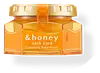 Key Ingredients
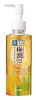
Benefits
Concerns
Ingredients Side-by-side
Ethylhexyl Palmitate
Emollient




PEG-20 Glyceryl Triisostearate
Emollient
Hydrogenated Castor Oil/Dimer Dilinoleic Acid Copolymer

PEG-10 Isostearate
Emulsifying
Hydrogenated Poly(C6-14 Olefin)
EmollientSynthetic Wax
Abrasive
Helianthus Annuus Seed Wax
Skin Conditioning
Honey
Humectant
Ruby Extract
Skin ConditioningPropolis Extract
Skin Conditioning




Argania Spinosa Kernel Oil
Emollient


Hydrolyzed Hyaluronic Acid
Humectant

Tocopherol
Antioxidant


Panthenol
Skin Conditioning
Retinyl Palmitate
Skin Conditioning
Ascorbyl Tetraisopalmitate
Antioxidant
Citrus Aurantium Dulcis Fruit Extract
MaskingCitrus Nobilis Peel Oil
Masking
Pyrus Malus Fruit Extract
Skin Conditioning
Citrus Limon Juice
Skin Conditioning
Citrus Grandis Fruit Extract
Astringent
Citrus Aurantifolia Fruit Extract
Skin ConditioningCrataegus Monogyna Fruit Extract
Skin ConditioningHippophae Rhamnoides Fruit Oil
Skin Protecting
Tocopheryl Acetate
Antioxidant
Zea Mays Oil
Emulsifying
Microcrystalline Cellulose
AbsorbentPhytosteryl/Isostearyl/Cetyl/Stearyl/Behenyl Dimer Dilinoleate
Skin Conditioning
Water
Skin ConditioningButylene Glycol
Humectant
Propylene Glycol
Humectant
Sorbitol
Humectant
Phenoxyethanol
Preservative
Parfum
Masking
Ethylhexyl Palmitate, PEG-20 Glyceryl Triisostearate, Hydrogenated Castor Oil/Dimer Dilinoleic Acid Copolymer, PEG-10 Isostearate, Hydrogenated Poly(C6-14 Olefin), Synthetic Wax, Helianthus Annuus Seed Wax, Honey, Ruby Extract, Propolis Extract, Argania Spinosa Kernel Oil, Hydrolyzed Hyaluronic Acid, Tocopherol, Panthenol, Retinyl Palmitate, Ascorbyl Tetraisopalmitate, Citrus Aurantium Dulcis Fruit Extract, Citrus Nobilis Peel Oil, Pyrus Malus Fruit Extract, Citrus Limon Juice, Citrus Grandis Fruit Extract, Citrus Aurantifolia Fruit Extract, Crataegus Monogyna Fruit Extract, Hippophae Rhamnoides Fruit Oil, Tocopheryl Acetate, Zea Mays Oil, Microcrystalline Cellulose, Phytosteryl/Isostearyl/Cetyl/Stearyl/Behenyl Dimer Dilinoleate, Water, Butylene Glycol, Propylene Glycol, Sorbitol, Phenoxyethanol, Parfum
Ethylhexyl Palmitate
Emollient
Sorbeth-30 Tetraisostearate
Emulsifying
Olea Europaea Fruit Oil
Masking
Water
Skin ConditioningPEG-20 Glyceryl Triisostearate
Emollient
Caprylyl Methicone
Skin Conditioning
Dextrin Palmitate/Ethylhexanoate
Emulsifying
Caprylic/Capric Triglyceride
Masking
BHT
Antioxidant
Macadamia Ternifolia Seed Oil
Emollient
Pentaerythrityl Tetra-Di-T-Butyl Hydroxyhydrocinnamate
Antioxidant
Tocopherol
Antioxidant
Benzotriazolyl Dodecyl P-Cresol
UV AbsorberSimmondsia Chinensis Seed Oil
Emollient
Rosa Canina Fruit Oil
Emollient
Moringa Oil/Hydrogenated Moringa Oil Esters
Skin Conditioning
Hydroxypropyltrimonium Hyaluronate
Sodium Acetylated Hyaluronate
Humectant
Methylparaben
Preservative

Ascorbyl Dipalmitate
Antioxidant
Ethylhexyl Palmitate, Sorbeth-30 Tetraisostearate, Olea Europaea Fruit Oil, Water, PEG-20 Glyceryl Triisostearate, Caprylyl Methicone, Dextrin Palmitate/Ethylhexanoate, Caprylic/Capric Triglyceride, BHT, Macadamia Ternifolia Seed Oil, Pentaerythrityl Tetra-Di-T-Butyl Hydroxyhydrocinnamate, Tocopherol, Benzotriazolyl Dodecyl P-Cresol, Simmondsia Chinensis Seed Oil, Rosa Canina Fruit Oil, Moringa Oil/Hydrogenated Moringa Oil Esters, Hydroxypropyltrimonium Hyaluronate, Sodium Acetylated Hyaluronate, Methylparaben, Ascorbyl Dipalmitate
Reviews
Ingredients Explained
These ingredients are found in both products.
Ingredients higher up in an ingredient list are typically present in a larger amount.
Ethylhexyl Palmitate, also known as octyl palmitate, is created from 2-ethylhexyl alcohol and palmitic acid.
In cosmetics, it plays many roles:
One thing worth noting: a controlled study found this ingredient applied under occlusion to acne-prone subjects increased microcomedones. Just keep in mind this was under occlusive conditions and don't reflect how most products are used day-to-day.
For most people, this is a well-tolerated and lightweight ingredient.
This ingredient may not be fungal acne safe because it is an ester of palmitic acid, a C16 fatty acid that falls within the C11-24 range that Malassezia can metabolize.
You'll see this one rated 4 comedogenic all over the internet. That number isn't from a single study, and the actual research is more interesting.
The original rating comes from 1980s rabbit ear tests (which are a shaky basis for anything). But Ethylhexyl Palmitate is one of the few ingredients with real human data behind it. A 2021 controlled trial found this ingredient increased microcomedones by an average of 365% over four weeks.
Just know that test used the pure ingredient under an occlusive pad on back skin; most products use it at much lower levels alongside other ingredients and plenty of people use those with no issue.
Learn more about Ethylhexyl PalmitatePEG-20 Glyceryl Triisostearate is a synthetic, oil-loving helper ingredient that does two jobs:
This ingredient is made by joining three building blocks: PEG, Isostearic Acid and glycerin. The PEG gives it the oil-and-water blending power.
This ingredient has been found safe for use in cosmetics and broader PEG family testing shows minimal irritation/sensitization. The molecule's large size also means it isn't expected to penetrate skin to any meaningful degree.
Fungal acne note: This ingredient may not be fungal acne safe due to isostearic acid (C18). Isostearic acid falls into the C11-24 range that Malassezia can feed on.
Learn more about PEG-20 Glyceryl TriisostearateTocopherol is a fat-soluble antioxidant known as Vitamin E.
You'll find this ingredient in the vast majority of skincare (for good reason). It works to neutralize free radicals, or unstable molecules generated by UV exposure, pollution, and other environmental stressors, before they can cause oxidative damage to your skin cells.
Topically applied tocopherol has been shown to protect against UV damage by ramping up the skin's own natural defense enzymes.
It also acts as a skin conditioning agent; some studies show that regular topical use can improve the skin's water-binding capacity over 2-4 weeks.
This ingredient is especially loved for being a team player. When combined with Vitamin C, the photoprotective effect of both ingredients roughly doubles and the combo also helps reduce UV-induced DNA damage.
This ingredient has some brightening potential but it's more of a prevention ingredient than spot-fader. Cell studies show it can slow down melanin production but it's worth noting that it's not the most powerful brightener out there.
In formulations, it also serves as a stabilizer that helps protect other oxidation-prone ingredients from degrading.
Concentrations usually range from 0.1-1% in most leave-on products.
Learn more about TocopherolWater. It's the most common cosmetic ingredient of all. You'll usually see it at the top of ingredient lists, meaning that it makes up the largest part of the product.
So why is it so popular? Water most often acts as a solvent - this means that it helps dissolve other ingredients into the formulation.
You'll also recognize water as that liquid we all need to stay alive. If you see this, drink a glass of water. Remember to stay hydrated!
Learn more about Water

