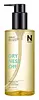
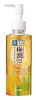
This oil-based makeup remover is made to dissolve makeup, sunscreen, and daily buildup.
This oil-based makeup remover is made to dissolve makeup, sunscreen, and daily buildup.


What's inside
What's inside
 Key Ingredients
Benefits
Concerns
Ingredients Side-by-side
Helianthus Annuus Seed Oil
Emollient



Triethylhexanoin
MaskingEthylhexyl Stearate
Emollient


Polyisobutene
PEG-20 Glyceryl Triisostearate
Emollient
Ethylhexyl Palmitate
Emollient
Isononyl Isononanoate
EmollientIsopropyl Myristate
Emollient
Prunus Amygdalus Dulcis Oil
Skin Conditioning
Caprylic/Capric Triglyceride
Masking

1,2-Hexanediol
Skin Conditioning
Lavandula Angustifolia Oil
Masking


Pentaerythrityl Tetra-Di-T-Butyl Hydroxyhydrocinnamate
Antioxidant
Anthemis Nobilis Flower Oil
Masking
Argania Spinosa Kernel Oil
Emollient

Butyrospermum Parkii Butter
Skin Conditioning
Linalool
Perfuming
Helianthus Annuus Seed Oil, Triethylhexanoin, Ethylhexyl Stearate, Polyisobutene, PEG-20 Glyceryl Triisostearate, Ethylhexyl Palmitate, Isononyl Isononanoate, Isopropyl Myristate, Prunus Amygdalus Dulcis Oil, Caprylic/Capric Triglyceride, 1,2-Hexanediol, Lavandula Angustifolia Oil, Pentaerythrityl Tetra-Di-T-Butyl Hydroxyhydrocinnamate, Anthemis Nobilis Flower Oil, Argania Spinosa Kernel Oil, Butyrospermum Parkii Butter, Linalool
Ethylhexyl Palmitate
Emollient
Sorbeth-30 Tetraisostearate
Emulsifying
Olea Europaea Fruit Oil
Masking
Water
Skin ConditioningPEG-20 Glyceryl Triisostearate
Emollient
Caprylyl Methicone
Skin Conditioning
Dextrin Palmitate/Ethylhexanoate
Emulsifying
Caprylic/Capric Triglyceride
Masking
BHT
Antioxidant
Macadamia Ternifolia Seed Oil
Emollient
Pentaerythrityl Tetra-Di-T-Butyl Hydroxyhydrocinnamate
Antioxidant
Tocopherol
Antioxidant



Benzotriazolyl Dodecyl P-Cresol
UV AbsorberSimmondsia Chinensis Seed Oil
Emollient
Rosa Canina Fruit Oil
Emollient
Moringa Oil/Hydrogenated Moringa Oil Esters
Skin Conditioning
Hydroxypropyltrimonium Hyaluronate
Sodium Acetylated Hyaluronate
Humectant
Methylparaben
Preservative


Ascorbyl Dipalmitate
Antioxidant
Ethylhexyl Palmitate, Sorbeth-30 Tetraisostearate, Olea Europaea Fruit Oil, Water, PEG-20 Glyceryl Triisostearate, Caprylyl Methicone, Dextrin Palmitate/Ethylhexanoate, Caprylic/Capric Triglyceride, BHT, Macadamia Ternifolia Seed Oil, Pentaerythrityl Tetra-Di-T-Butyl Hydroxyhydrocinnamate, Tocopherol, Benzotriazolyl Dodecyl P-Cresol, Simmondsia Chinensis Seed Oil, Rosa Canina Fruit Oil, Moringa Oil/Hydrogenated Moringa Oil Esters, Hydroxypropyltrimonium Hyaluronate, Sodium Acetylated Hyaluronate, Methylparaben, Ascorbyl Dipalmitate
Reviews
Ingredients Explained
These ingredients are found in both products.
Ingredients higher up in an ingredient list are typically present in a larger amount.
Caprylic/Capric Triglyceride (aka MCT Oil) is a lightweight emollient, solvent, and texture enhancer. It is considered a skin-softener by helping to prevent moisture loss.
Though it behaves like an oil, it is not technically one due to its chemical composition. One perk of this ingredient is that it is very stable, resistant to oxidation, and unlikely to go rancid.
In practice, that translates to a long shelf life and a consistently elegant skin feel.
While there is an assumption Caprylic Triglyceride can clog pores due to it being derived from coconut oil, there is no research supporting this. Just patch test if you have concerns.
Fractionated coconut oil and MCT Oil are both listed as Caprylic/Capric Triglyceride according to INCI. This is because INCI names are based on the ingredient’s final chemical composition and not its marketing name or source.
This ingredient is treated as the gold standard fungal acne safe oil. Even though it is coconut derived, the problematic lauric acid is stripped out.
This leaves just caprylic (C8) and capric (C10) acid. These chain lengths actually trend antifungal; a 2020 study found caprylic acid was enough to disrupt Malassezia furfur cell membrane, with a caprylic acid derivative damaging membrane structures at concentrations as low as 0.2%.
Learn more about Caprylic/Capric TriglycerideEthylhexyl Palmitate, also known as octyl palmitate, is created from 2-ethylhexyl alcohol and palmitic acid.
In cosmetics, it plays many roles:
One thing worth noting: a controlled study found this ingredient applied under occlusion to acne-prone subjects increased microcomedones. Just keep in mind this was under occlusive conditions and don't reflect how most products are used day-to-day.
For most people, this is a well-tolerated and lightweight ingredient.
This ingredient may not be fungal acne safe because it is an ester of palmitic acid, a C16 fatty acid that falls within the C11-24 range that Malassezia can metabolize.
You'll see this one rated 4 comedogenic all over the internet. That number isn't from a single study, and the actual research is more interesting.
The original rating comes from 1980s rabbit ear tests (which are a shaky basis for anything). But Ethylhexyl Palmitate is one of the few ingredients with real human data behind it. A 2021 controlled trial found this ingredient increased microcomedones by an average of 365% over four weeks.
Just know that test used the pure ingredient under an occlusive pad on back skin; most products use it at much lower levels alongside other ingredients and plenty of people use those with no issue.
Learn more about Ethylhexyl PalmitatePEG-20 Glyceryl Triisostearate is a synthetic, oil-loving helper ingredient that does two jobs:
This ingredient is made by joining three building blocks: PEG, Isostearic Acid and glycerin. The PEG gives it the oil-and-water blending power.
This ingredient has been found safe for use in cosmetics and broader PEG family testing shows minimal irritation/sensitization. The molecule's large size also means it isn't expected to penetrate skin to any meaningful degree.
Fungal acne note: This ingredient may not be fungal acne safe due to isostearic acid (C18). Isostearic acid falls into the C11-24 range that Malassezia can feed on.
Learn more about PEG-20 Glyceryl TriisostearatePentaerythrityl Tetra-Di-T-Butyl Hydroxyhydrocinnamate (long name, huh?) is a synthetic antioxidant.
It is used to help stabilize other antioxidants or prevent the color from changing in a product.
As an antioxidant, it helps fight free-radical molecules. Free-radical molecules are capable of damaging our cells and other genetic material. Thus, antioxidants may reduce the signs of aging.
This ingredient is oil-soluble.
Learn more about Pentaerythrityl Tetra-Di-T-Butyl Hydroxyhydrocinnamate

