Honest Beauty Ageless Firm + Smooth Cream Versus Honest Beauty Hydrogel Deep Hydration Hyaluronic Acid Serum
This moisturizer is formulated around Helianthus Annuus Seed Oil to hydrate skin.
This hydrating serum is formulated around Argania Spinosa Kernel Oil and Hydrolyzed Sodium Hyaluronate to hydrate skin and strengthen the skin barrier.

What's inside
What's inside
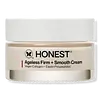 Key Ingredients
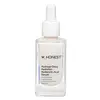
Benefits
Concerns
Ingredients Side-by-side
Water
Skin ConditioningHelianthus Annuus Seed Oil
Emollient



Brassica Alcohol
Emollient
Glycerin
Humectant

Isostearyl Hydroxystearate
EmollientCaprylic/Capric Triglyceride
Masking
Butyrospermum Parkii Butter
Skin Conditioning


Cetyl Alcohol
Emollient
Cetearyl Olivate
Sorbitan Olivate
Emulsifying
Propanediol
Solvent
Dimethicone
Emollient
Magnesium Aluminum Silicate
Absorbent
Sh-Polypeptide-121
Skin Conditioning
Sh-Polypeptide-50
Skin Conditioning
Hydrolyzed Sodium Hyaluronate
Skin Conditioning
Sodium Acetylated Hyaluronate
Humectant

Saccharomyces/Sugarcane Juice Extract Ferment Extract
Skin Conditioning
Thymus Vulgaris Flower/Leaf Extract
MaskingXanthan Gum
EmulsifyingLecithin
Emollient
Tocopherol
Antioxidant




Xylitol
Humectant
Cetyl Palmitate
Emollient
Sorbitan Palmitate
Emulsifying
Caprylic Acid
CleansingMyristyl Alcohol
Emollient
Stearyl Alcohol
Emollient
Lauryl Alcohol
Emollient
1,2-Hexanediol
Skin Conditioning
Caprylhydroxamic Acid
ChelatingIsostearyl Alcohol
Emollient
Hydroxystearic Acid
Cleansing
Citric Acid
Buffering
Trisodium Ethylenediamine Disuccinate
ChelatingPotassium Sorbate
Preservative
Sodium Benzoate
Masking
Water, Helianthus Annuus Seed Oil, Brassica Alcohol, Glycerin, Isostearyl Hydroxystearate, Caprylic/Capric Triglyceride, Butyrospermum Parkii Butter, Cetyl Alcohol, Cetearyl Olivate, Sorbitan Olivate, Propanediol, Dimethicone, Magnesium Aluminum Silicate, Sh-Polypeptide-121, Sh-Polypeptide-50, Hydrolyzed Sodium Hyaluronate, Sodium Acetylated Hyaluronate, Saccharomyces/Sugarcane Juice Extract Ferment Extract, Thymus Vulgaris Flower/Leaf Extract, Xanthan Gum, Lecithin, Tocopherol, Xylitol, Cetyl Palmitate, Sorbitan Palmitate, Caprylic Acid, Myristyl Alcohol, Stearyl Alcohol, Lauryl Alcohol, 1,2-Hexanediol, Caprylhydroxamic Acid, Isostearyl Alcohol, Hydroxystearic Acid, Citric Acid, Trisodium Ethylenediamine Disuccinate, Potassium Sorbate, Sodium Benzoate
Water
Skin ConditioningArgania Spinosa Kernel Oil
Emollient
Propanediol
Solvent
Actinidia Chinensis Seed Oil
Emollient
Glycerin
Humectant
Betaine
Humectant
Serine
Masking
Alanine
Masking
Glycine
Buffering
PCA
Humectant
Threonine
Arginine
Masking
Proline
Skin Conditioning
Glutamic Acid
Humectant
Lysine Hcl
Skin Conditioning
Sodium Lactate
Buffering
Sodium PCA
Humectant
Hydrolyzed Sodium Hyaluronate
Skin Conditioning
Sodium Acetylated Hyaluronate
Humectant
Nephelium Lappaceum Peel Extract
Skin ConditioningTocopherol
Antioxidant
Trisodium Ethylenediamine Disuccinate
Chelating1,2-Hexanediol
Skin Conditioning
Caprylyl Glycol
Emollient
Hydroxyacetophenone
Antioxidant
Lysolecithin
EmulsifyingSclerotium Gum
Emulsion StabilisingXanthan Gum
EmulsifyingPullulan
Silica
Abrasive

Sodium Hydroxide
BufferingWater, Argania Spinosa Kernel Oil, Propanediol, Actinidia Chinensis Seed Oil, Glycerin, Betaine, Serine, Alanine, Glycine, PCA, Threonine, Arginine, Proline, Glutamic Acid, Lysine Hcl, Sodium Lactate, Sodium PCA, Hydrolyzed Sodium Hyaluronate, Sodium Acetylated Hyaluronate, Nephelium Lappaceum Peel Extract, Tocopherol, Trisodium Ethylenediamine Disuccinate, 1,2-Hexanediol, Caprylyl Glycol, Hydroxyacetophenone, Lysolecithin, Sclerotium Gum, Xanthan Gum, Pullulan, Silica, Sodium Hydroxide
Ingredients Explained
These ingredients are found in both products.
Ingredients higher up in an ingredient list are typically present in a larger amount.
1,2-Hexanediol is a synthetic liquid and another multi-functional powerhouse.
It is a:
- Humectant, drawing moisture into the skin
- Emollient, helping to soften skin
- Solvent, dispersing and stabilizing formulas
- Preservative booster, enhancing the antimicrobial activity of other preservatives
Glycerin (or glycerol) is a compound naturally found in your skin. It's a powerhouse humectant that pulls water into the stratum corneum.
Topically, glycerin does several things at once:
Your skin makes glycerin on its own (mostly from sebaceous oil breakdown) and shuttles it to your outermost layer of skin, or your epidermis, via aquaporin-3.
Aquaporin-3 is a transporter that is essential for normal skin hydration, elasticity, and repair. Interestingly, mice lacking in AQP3 have dry and less elastic skin that can be fully corrected with glycerin.
This ingredient is non-irritating, plays well with almost every ingredient, and works across all skin types. Typical use is anywhere between 3-10% but can go up to 79% in some leave-on products.
Just know very high concentrations (>40%) can feel tacky in low humidity.
Glycerin is the name for this ingredient in American English. British English uses Glycerol/Glycerine.
Learn more about GlycerinThis ingredient is created by putting sodium hyaluronate through hydrolysis.
You might know this as 'mini' or 'ultra low-molecular weight' hyaluronic acid. The small molecule size means it is able to travel deeper in the skin.
According to studies, low molecular-weight hyaluronic acid can:
One study from 2011 found ultra-low weight HA to show pro-inflammatory properties. Another study from 2022 found it to downregulate UV-B induced inflammation.
Hydrolysis is a process of changing a molecule using water or enzymes.
This ingredient is water-soluble.
Learn more about Hydrolyzed Sodium HyaluronatePropanediol is an all-star ingredient. It softens, hydrates, and smooths the skin.
It’s often used to:
Propanediol is not likely to cause sensitivity and considered safe to use. It is derived from corn or petroleum with a clear color and no scent.
Learn more about PropanediolSodium Acetylated Hyaluronate is a type of Hyaluronic Acid.
Hyaluronic Acids help moisturize, soothe, and protect the skin.
Read about common types of Hyaluronic Acid here:
Learn more about Sodium Acetylated HyaluronateTocopherol is a fat-soluble antioxidant known as Vitamin E.
You'll find this ingredient in the vast majority of skincare (for good reason). It works to neutralize free radicals, or unstable molecules generated by UV exposure, pollution, and other environmental stressors, before they can cause oxidative damage to your skin cells.
Topically applied tocopherol has been shown to protect against UV damage by ramping up the skin's own natural defense enzymes.
It also acts as a skin conditioning agent; some studies show that regular topical use can improve the skin's water-binding capacity over 2-4 weeks.
This ingredient is especially loved for being a team player. When combined with Vitamin C, the photoprotective effect of both ingredients roughly doubles and the combo also helps reduce UV-induced DNA damage.
This ingredient has some brightening potential but it's more of a prevention ingredient than spot-fader. Cell studies show it can slow down melanin production but it's worth noting that it's not the most powerful brightener out there.
In formulations, it also serves as a stabilizer that helps protect other oxidation-prone ingredients from degrading.
Concentrations usually range from 0.1-1% in most leave-on products.
Learn more about TocopherolTrisodium Ethylenediamine Disuccinate is used to help stabilize a product.
It is a chelating agent, meaning it helps prevent metal ions from binding to other ingredients. This prevents unwanted reactions in products. Metal ions can come into a product via the water ingredient. They are found in trace amounts and are not known to be harmful.
Water. It's the most common cosmetic ingredient of all. You'll usually see it at the top of ingredient lists, meaning that it makes up the largest part of the product.
So why is it so popular? Water most often acts as a solvent - this means that it helps dissolve other ingredients into the formulation.
You'll also recognize water as that liquid we all need to stay alive. If you see this, drink a glass of water. Remember to stay hydrated!
Learn more about WaterXanthan gum is used as a stabilizer and thickener within cosmetic products. It helps give products a sticky, thick feeling - preventing them from being too runny.
On the technical side of things, xanthan gum is a polysaccharide - a combination consisting of multiple sugar molecules bonded together.
Xanthan gum is a pretty common and great ingredient. It is a natural, non-toxic, non-irritating ingredient that is also commonly used in food products.
Learn more about Xanthan Gum

