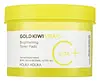
This brightening toner pad uses a pre-saturated pad with Niacinamide and Lactobionic Acid to brighten dull-looking skin and fade the look of dark spots.
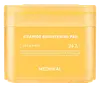
This brightening toner pad uses a pre-saturated pad with Niacinamide and Sodium Ascorbyl Phosphate to brighten dull-looking skin and fade the look of dark spots.

What's inside
What's inside
 Key Ingredients
Benefits
Concerns
Ingredients Side-by-side
Water
Skin ConditioningActinidia Deliciosa Fruit Extract
Skin ConditioningDipropylene Glycol
HumectantNiacinamide
Smoothing











1,2-Hexanediol
Skin Conditioning
Allantoin
Skin Conditioning
Carnitine
Cleansing
Cynara Scolymus Leaf Extract
Skin ConditioningButylene Glycol
Humectant
Sodium Hyaluronate
Humectant
Citric Acid
Buffering

Ectoin
Skin Conditioning
Pyrus Malus Seed Oil
Emollient
Lactobionic Acid
Buffering
Ascorbic Acid
Antioxidant

Glycerin
Humectant
Panthenol
Skin Conditioning
PPG-13-Decyltetradeceth-24
EmulsifyingEthylhexylglycerin
Skin ConditioningAdenosine
Skin Conditioning
Disodium EDTA
ChelatingLecithin
Emollient
Polyglyceryl-10 Oleate
Skin Conditioning
Pyridoxine
Skin ConditioningThiamine Hcl
MaskingSodium Ascorbyl Phosphate
Antioxidant
Arbutin
Antioxidant
Bioflavonoids
Skin ConditioningBiotin
AntiseborrhoeicCyanocobalamin
Skin ConditioningFolic Acid
Skin ConditioningGlutathione
Menadione
MaskingRiboflavin
Cosmetic ColorantTocopheryl Acetate
Antioxidant
4-Butylresorcinol
Antioxidant
Acrylates/Ammonium Methacrylate Copolymer
Ammonium Acryloyldimethyltaurate/Vp Copolymer
Parfum
Masking



Limonene
Perfuming
Water, Actinidia Deliciosa Fruit Extract, Dipropylene Glycol, Niacinamide, 1,2-Hexanediol, Allantoin, Carnitine, Cynara Scolymus Leaf Extract, Butylene Glycol, Sodium Hyaluronate, Citric Acid, Ectoin, Pyrus Malus Seed Oil, Lactobionic Acid, Ascorbic Acid, Glycerin, Panthenol, PPG-13-Decyltetradeceth-24, Ethylhexylglycerin, Adenosine, Disodium EDTA, Lecithin, Polyglyceryl-10 Oleate, Pyridoxine, Thiamine Hcl, Sodium Ascorbyl Phosphate, Arbutin, Bioflavonoids, Biotin, Cyanocobalamin, Folic Acid, Glutathione, Menadione, Riboflavin, Tocopheryl Acetate, 4-Butylresorcinol, Acrylates/Ammonium Methacrylate Copolymer, Ammonium Acryloyldimethyltaurate/Vp Copolymer, Parfum, Limonene
Water
Skin ConditioningDipropylene Glycol
HumectantNiacinamide
Smoothing
Glycereth-26
Humectant
1,2-Hexanediol
Skin Conditioning
Hippophae Rhamnoides Water
Masking
Hydroxyacetophenone
Antioxidant
Betaine
Humectant
Octyldodeceth-16
EmulsifyingHydroxyethyl Urea
Humectant
Allantoin
Skin Conditioning
Dipotassium Glycyrrhizate
Humectant
Trehalose
Humectant
Xanthan Gum
EmulsifyingHydroxyethylcellulose
Emulsion StabilisingPolyglyceryl-10 Laurate
Skin Conditioning
Disodium EDTA
ChelatingOlea Europaea Fruit Oil
Masking
Hydrogenated Lecithin
Emulsifying
Pelargonium Graveolens Flower Oil
Masking
Lavandula Angustifolia Oil
Masking
Anthemis Nobilis Flower Oil
Masking
Citrus Aurantium Dulcis Peel Oil
Masking
Juniperus Mexicana Oil
Masking
Riboflavin
Cosmetic ColorantSodium Ascorbyl Phosphate
Antioxidant
Pyridoxine Hcl
Skin ConditioningRetinol
Skin Conditioning
Tocopheryl Acetate
Antioxidant
Menadione
MaskingThiamine Hcl
MaskingCitronellol
Perfuming
Linalool
Perfuming
Geraniol
Perfuming
Limonene
Perfuming
Water, Dipropylene Glycol, Niacinamide, Glycereth-26, 1,2-Hexanediol, Hippophae Rhamnoides Water, Hydroxyacetophenone, Betaine, Octyldodeceth-16, Hydroxyethyl Urea, Allantoin, Dipotassium Glycyrrhizate, Trehalose, Xanthan Gum, Hydroxyethylcellulose, Polyglyceryl-10 Laurate, Disodium EDTA, Olea Europaea Fruit Oil, Hydrogenated Lecithin, Pelargonium Graveolens Flower Oil, Lavandula Angustifolia Oil, Anthemis Nobilis Flower Oil, Citrus Aurantium Dulcis Peel Oil, Juniperus Mexicana Oil, Riboflavin, Sodium Ascorbyl Phosphate, Pyridoxine Hcl, Retinol, Tocopheryl Acetate, Menadione, Thiamine Hcl, Citronellol, Linalool, Geraniol, Limonene
Reviews
Ingredients Explained
These ingredients are found in both products.
Ingredients higher up in an ingredient list are typically present in a larger amount.
1,2-Hexanediol is a synthetic liquid and another multi-functional powerhouse.
It is a:
- Humectant, drawing moisture into the skin
- Emollient, helping to soften skin
- Solvent, dispersing and stabilizing formulas
- Preservative booster, enhancing the antimicrobial activity of other preservatives
Allantoin is a soothing ingredient known for its protective and moisturizing properties; it's basically a quiet workhorse ingredient you can find in a huge range of cosmetics.
Though it can be derived from the comfrey plant, allantoin is produced synthetically for cosmetic products to ensure purity.
Research shows it can encourage your skin cells to turn over and renew by stimulating keratinocyte and fibroblast proliferation.
It also has mild keratolytic properties to help loosen and shed dead skin cells without being harsh.
Studies also suggest allantoin can help calm inflammation by dialing down some of the chemical signals your skin sends out when it is irritated.
This ingredient is typically used in the 0.1-0.5% range, and the FDA recognizes it as a skin protectant in OTC products up to 2%.
Overall, allantoin is a wonderful addition to most routines; it is stable across a wide pH range (~4-8), works well with other ingredients, and is considered non-sensitizing/non-irritating.
Fun fact: Allantoin is naturally occurring in comfrey root, beets, chamomile, and wheat sprouts. Our bodies even produce it as a byproduct of uric acid metabolism.
Learn more about AllantoinDipropylene Glycol is a synthetically created humectant, stabilizer, and solvent.
This ingredient helps:
Dipropylene glycol is technically an alcohol, but it belongs to the glycol family (often considered part of the ‘good’ alcohols). This means it is hydrating and gentle on skin unlike drying solvent alcohols like denatured alcohol.
As a masking agent, Dipropylene Glycol can be used to cover the smell of other ingredients. However, it does not have a scent.
Studies show Dipropylene Glycol is considered safe to use in skincare.
Learn more about Dipropylene GlycolDisodium EDTA is a chelating agent. It grabs onto and deactivates metal ions that sneak into your products from water, packaging, or air.
This ingredient mainly works behind the scenes and helps with:
On top of that, this ingredient can counteract the effects of hard water by binding to the minerals in it.
One thing worth knowing is that Disodium EDTA has been shown to be a mild penetration enhancer. It can help other ingredients absorb into skin more effectively which can be a double-edged sword (great for actives, but can also make the active too strong if you have sensitive skin).
Clinical patch testing showed no significant skin irritation at typical use concentrations and minimal dermal absorption.
You'll most likely see this ingredient near the end of an ingredient list. It's typically found in concentrations less than 1%.
Learn more about Disodium EDTALimonene is the compound that gives citrus peel its smell.
In skincare, it shows up as a standalone fragrance ingredient or as a natural compound of citrus and other essential oils.
You'll typically see this ingredient used in very small amounts; anything above 0.001% in a leave-on product or 0.01% in a rinse-off has to be named on the label in the EU. The citrus oils that carry it sit around 0.5-1% in a finished formula.
Fresh limonene is a weak allergen; the real issue is that it slowly reacts with air and then breaks down from oxidation to create hydroperoxides (which are strong sensitizers). This is why suppliers are required to keep the peroxide value below 20 mmol.
Positive reactions in people being investigated for eczema vary:
It's worth skipping if you have a known fragrance allergy or a compromised barrier, but the risk is low for most people.
Older or long-opened products are also more likely to bother you than fresh ones due to oxidation.
Learn more about LimoneneWe don't have a description for Menadione yet.
Niacinamide is a multitasking form of vitamin B3 that strengthens the skin barrier, reduces pores and dark spots, regulates oil, and improves signs of aging.
And the best part? It's gentle and well-tolerated by most skin types, including sensitive and reactive skin.
You might have heard of "niacin flush", or the reddening of skin that causes itchiness. Niacinamide has not been found to cause this.
In very rare cases, some individuals may not be able to tolerate niacinamide at all or experience an allergic reaction to it.
If you are experiencing flaking, irritation, and dryness with this ingredient, be sure to double check all your products as this ingredient can be found in all categories of skincare.
When incorporating niacinamide into your routine, look out for concentration amounts. Typically, 5% niacinamide provides benefits such as fading dark spots. However, if you have sensitive skin, it is better to begin with a smaller concentration.
When you apply niacinamide to your skin, your body converts it into nicotinamide adenine dinucleotide (NAD). NAD is an essential coenzyme that is already found in your cells as "fuel" and powers countless biological processes.
In your skin, NAD helps repair cell damage, produce new healthy cells, support collagen production, strengthen the skin barrier, and fight environmental stressors (like UV and pollution).
Our natural NAD levels start to decline with age, leading to slower skin repair, visible aging, and a weaker skin barrier. By providing your skin niacinamide, you're recharging your skin's NAD levels. This leads to stronger, healthier, and younger looking skin.
Another name for vitamin B3 is nicotinamide. This vitamin is water-soluble and our bodies don't store it. We obtain Vitamin B3 from either food or skincare. Meat, fish, wheat, yeast, and leafy greens contain vitamin B3.
The type of niacinamide used in skincare is synthetically created.
Learn more about NiacinamideRiboflavin is Vitamin B2. Our bodies use riboflavin in the creation of skin, digestive tract lining, and blood cells.
Riboflavin is naturally found in Royal Jelly.
Foods rich in riboflavin include eggs, milk, organ meat, cheese, and yogurt.
Learn more about other types of Vitamin B:
Learn more about RiboflavinSodium Ascorbyl Phosphate (SAP) is a water-soluble form of Vitamin C. It is the salt of ascorbic acid.
This ingredient is commonly used in skincare because it's more formulation-stable while still offering the same benefits as pure ascorbic acid. Ascorbic acid is notorious for breaking down when exposed to sunlight and oxygen whereas SAP has been shown to be more stable.
Studies show SAP has anti-acne and antioxidant benefits. One study found 5% of SAP lotion to be an effective ingredient for treating acne vulgaris. This is because research shows that SAP may help control acne by reducing acne-causing bacteria and slowing the oxidation of skin oils caused by UV exposure.
In addition to acne, vitamin C is important for skin structure. Lab studies suggest SAP may support collagen production in skin cells, making it a great ingredient in anti-aging routines.
Vitamin C has many benefits: it helps reduce redness, improve skin texture, fade the appearance of dark spots, and brighten the skin.
Read more about other types of Vitamin C:
Learn more about Sodium Ascorbyl PhosphateThiamine Hcl is Vitamin B1. The HCL stands for hydrochloride. Thiamine HCL is created using thiamine chloride and hydrochloric acid.
Our bodies use Thiamine HCL for aerobic metabolism, cell growth, and transmission of nerve impulses.
Learn more about Vitamin B in skincare:
Learn more about Thiamine HclTocopheryl Acetate is a stable, shelf-friendly form of vitamin E.
Formulators love it because plain vitamin E oxidizes quickly once it hits air. This acetate version stays stable and resists going off, helping to extend a product's shelf life.
It's actually inactive on its own and works like a slow-release "storage" form; the enzymes in your skin called esterases gradually convert it into active vitamin E over time.
One in vivo study showed 5% of the acetate in the living layer of the epidermis converted to vitamin E after 5 days of application. This study also found the skin gained protection against UV damage even though the conversion was slow and small.
Once converted, vitamin E acts as a skin's main fat-soluble antioxidant that fights free radicals to protect skin from damage.
Topical vitamin E generally boosts the skin's photoprotection, and it reduced UV-damage in animal models.
This ingredient has some brightening potential but it's more of a prevention ingredient than spot-fader. Cell studies show it can slow down melanin production but it's worth noting that it's not the most powerful brightener out there.
Overall, it has a pretty solid safety profile and has been found to be non-irritating and non-comedogenic. Allergic reactions may happen but stay rare due to how widely the ingredient gets used.
The concentration will vary depending on the formula; industry data shows 0.1% in baby lotions, 3% in lipsticks, and 5% in foot powders. You can also find this ingredient at 100% in a pure vitamin E oil.
Most leave-on skincare keeps it at the lower end, often between 0.5-1%.
Learn more about Tocopheryl AcetateWater. It's the most common cosmetic ingredient of all. You'll usually see it at the top of ingredient lists, meaning that it makes up the largest part of the product.
So why is it so popular? Water most often acts as a solvent - this means that it helps dissolve other ingredients into the formulation.
You'll also recognize water as that liquid we all need to stay alive. If you see this, drink a glass of water. Remember to stay hydrated!
Learn more about Water

