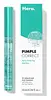
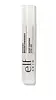
Hero Cosmetics Pimple Correct Acne Clearing Gel Pen Versus e.l.f. cosmetics Blemish Breakthrough Acne Fighting Spot Gel
This acne treatment is formulated around Salicylic Acid and Melaleuca Alternifolia Leaf Oil to clear breakouts and refine the look of pores.
This acne treatment is formulated around Salicylic Acid and Melaleuca Alternifolia Leaf Oil to clear breakouts and balance excess oil.

What's inside
What's inside
 Key Ingredients
Benefits
Concerns
Ingredients Side-by-side
Salicylic Acid 2%
Masking










Water
Skin ConditioningButylene Glycol
Humectant

Nigella Sativa Seed Extract
Perfuming
Isopentyldiol
Humectant
Sodium Polyacrylate
Absorbent
Lactic Acid
Buffering



Hydroxyethylcellulose
Emulsion StabilisingMelaleuca Alternifolia Leaf Oil
Antioxidant


Niacinamide
Smoothing


Polydextrose
HumectantCaffeine
Skin Conditioning
Maltodextrin
Absorbent
Xanthan Gum
EmulsifyingAllantoin
Skin Conditioning
Ceratonia Siliqua Gum
EmollientSodium Hydroxide
BufferingOpuntia Ficus-Indica Stem Extract
Skin Conditioning
Agar
MaskingAloe Barbadensis Leaf Juice Powder
Skin Conditioning
Glycerin
Humectant
Biosaccharide Gum-1
Humectant
Melia Azadirachta Leaf Extract
Skin ConditioningMelia Azadirachta Flower Extract
Skin Conditioning1,2-Hexanediol
Skin Conditioning
Caprylyl Glycol
Emollient
Sodium Levulinate
Skin ConditioningGlyceryl Caprylate
EmollientTocopherol
Antioxidant
Tocopheryl Acetate
Antioxidant
Coccinia Indica Fruit Extract
Skin Conditioning
Disodium Phosphate
BufferingPolysorbate 60
Emulsifying
Ammonium Acryloyldimethyltaurate/Vp Copolymer
Gellan Gum
Sodium Anisate
AntimicrobialAloe Barbadensis Flower Extract
EmollientSolanum Melongena Fruit Extract
Skin ConditioningAzelaic Acid
Buffering
Corallina Officinalis Extract
Skin Conditioning
Curcuma Longa Root Extract
Antioxidant
Ocimum Sanctum Leaf Extract
Skin ConditioningSimmondsia Chinensis Seed Oil
Emollient
Sodium Phosphate
BufferingSebacic Acid
BufferingLimonene
Perfuming
Salicylic Acid 2%, Water, Butylene Glycol, Nigella Sativa Seed Extract, Isopentyldiol, Sodium Polyacrylate, Lactic Acid, Hydroxyethylcellulose, Melaleuca Alternifolia Leaf Oil, Niacinamide, Polydextrose, Caffeine, Maltodextrin, Xanthan Gum, Allantoin, Ceratonia Siliqua Gum, Sodium Hydroxide, Opuntia Ficus-Indica Stem Extract, Agar, Aloe Barbadensis Leaf Juice Powder, Glycerin, Biosaccharide Gum-1, Melia Azadirachta Leaf Extract, Melia Azadirachta Flower Extract, 1,2-Hexanediol, Caprylyl Glycol, Sodium Levulinate, Glyceryl Caprylate, Tocopherol, Tocopheryl Acetate, Coccinia Indica Fruit Extract, Disodium Phosphate, Polysorbate 60, Ammonium Acryloyldimethyltaurate/Vp Copolymer, Gellan Gum, Sodium Anisate, Aloe Barbadensis Flower Extract, Solanum Melongena Fruit Extract, Azelaic Acid, Corallina Officinalis Extract, Curcuma Longa Root Extract, Ocimum Sanctum Leaf Extract, Simmondsia Chinensis Seed Oil, Sodium Phosphate, Sebacic Acid, Limonene
Salicylic Acid 1%
Masking
Water
Skin ConditioningAlcohol Denat.
Antimicrobial
Butylene Glycol
Humectant
Polyacrylate Crosspolymer-6
Emulsion StabilisingCamphor
Masking
Sodium Hydroxide
BufferingMelaleuca Alternifolia Leaf Oil
Antioxidant
Hamamelis Virginiana Extract
Antiseborrhoeic
Aloe Barbadensis Leaf Extract
Emollient
Camellia Sinensis Leaf Extract
Antimicrobial
T-Butyl Alcohol
Perfuming
Sodium Benzoate
Masking
Phenoxyethanol
Preservative
Denatonium Benzoate
Masking
Salicylic Acid 1%, Water, Alcohol Denat., Butylene Glycol, Polyacrylate Crosspolymer-6, Camphor, Sodium Hydroxide, Melaleuca Alternifolia Leaf Oil, Hamamelis Virginiana Extract, Aloe Barbadensis Leaf Extract, Camellia Sinensis Leaf Extract, T-Butyl Alcohol, Sodium Benzoate, Phenoxyethanol, Denatonium Benzoate
Reviews
Ingredients Explained
These ingredients are found in both products.
Ingredients higher up in an ingredient list are typically present in a larger amount.
Butylene Glycol (or BG) is used within cosmetic products for a few different reasons:
Overall, Butylene Glycol is a safe and well-rounded ingredient that works well with other ingredients.
Though this ingredient works well with most skin types, some people with sensitive skin may experience a reaction such as allergic rashes, closed comedones, or itchiness.
Learn more about Butylene GlycolThis ingredient is also known as tea tree oil. It has antioxidant, anti-inflammatory, and antimicrobial properties.
Tea tree oil is a complex lipophilic (fat-loving) oil that contains around 100 compounds with terpinen-4-ol being the most abundant (~40%).
Terpinen-4-ol is responsible for tea tree oil's broad-spectrum antimicrobial activity and makes it a well-researched option for acne.
Clinical studies support 5% tea tree oil as an effective topical treatment for mild to moderate acne. A study with 124 patients compared 5% tea tree oil gel to 5% benzoyl peroxide and both reduced acne (though tea tree oil worked more slowly).
Besides acne, it is also seen in anti-dandruff shampoos and scalp treatments for it's antimicrobial and anti-seborrheic properties.
Safety-wise, the allergic potential of low concentrations on healthy skin is considered low. However, oxidized (old or improperly stored) tea tree oil is a stronger sensitizer.
Irritation can also occur if using the undiluted oil on skin; it's best to use this ingredient as part of a carefully crafted cosmetic formula. This is because regulations require tea tree oil in cosmetics to be stabilized to prevent degradation.
This ingredient has been deemed safe up to 2% in shampoo, 1% in cleansers, and 0.1% in face cream by the EU's Scientific Committee on Consumer Safety (SCCS).
There is some lab evidence that tea tree oil is antifungal against Malassezia, but it is a supportive option at best and not a replacement for proven antifungal treatments.
Learn more about Melaleuca Alternifolia Leaf OilSalicylic Acid (also known as beta hydroxy acid or BHA) is a well-known ingredient for treating skin that struggles with acne and clogged pores. It exfoliates both the skin's surface and deep within the pores to help clear out buildup, control oil, and reduce inflammation.
Unlike AHAs (alpha hydroxy acids), salicylic acid is oil-soluble. This allows it to penetrate into pores which makes it especially effective for treating blackheads and preventing future breakouts.
Salicylic acid is also known for its soothing properties. It has a similar structure to aspirin and can calm inflamed or irritated skin, making it a good option for acne-prone skin that is also sensitive.
Concentrations of 0.5-2% are recognized by the U.S. FDA as an over-the-counter topical acne product.
It can cause irritation and/or dryness if one's skin already has a compromised moisture barrier, so it's best to focus on repairing that before introducing this ingredient into your routine.
While salicylic acid does not increase sun sensitivity, it’s still important to wear sunscreen daily to protect your skin.
If you are looking for the ingredient called BHA or Butylated Hydroxyanisole, click here.
Learn more about Salicylic AcidSodium Hydroxide is also known as lye or caustic soda. It is used to adjust the pH of products; many ingredients require a specific pH to be effective.
In small amounts, sodium hydroxide is considered safe to use. However, large amounts may cause chemical burns due to its high alkaline.
Your skin has a natural pH and acid mantle. This acid mantle helps prevent harmful bacteria from breaking through. The acid mantle also helps keep your skin hydrated.
"Alkaline" refers to a high pH level. A low pH level would be considered acidic.
Learn more about Sodium HydroxideWater. It's the most common cosmetic ingredient of all. You'll usually see it at the top of ingredient lists, meaning that it makes up the largest part of the product.
So why is it so popular? Water most often acts as a solvent - this means that it helps dissolve other ingredients into the formulation.
You'll also recognize water as that liquid we all need to stay alive. If you see this, drink a glass of water. Remember to stay hydrated!
Learn more about Water

