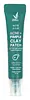
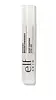
iWhite Korea Acne+ Pimple Clay Patch Versus e.l.f. cosmetics Blemish Breakthrough Acne Fighting Spot Gel
This acne treatment is formulated around Kaolin and Centella Asiatica Extract to clear breakouts and balance excess oil.
This acne treatment is formulated around Salicylic Acid and Melaleuca Alternifolia Leaf Oil to clear breakouts and balance excess oil.


What's inside
What's inside
 Key Ingredients
Benefits
Concerns
Ingredients Side-by-side
Water
Skin ConditioningButylene Glycol
Humectant

Kaolin
Abrasive



Glycerin
Humectant
CI 77891
Cosmetic ColorantBentonite
Absorbent
Benzyl Glycol
SolventCentella Asiatica Extract
Cleansing


Melaleuca Alternifolia Leaf Water
Antimicrobial
Salicylic Acid
Masking






Camellia Sinensis Leaf Extract
Antimicrobial
Brassica Oleracea Capitata Leaf Extract
Skin ConditioningHouttuynia Cordata Extract
Skin Conditioning
Raspberry Ketone
Masking

Madecassic Acid
Skin Conditioning
Asiaticoside
Antioxidant
Asiatic Acid
Skin Conditioning
Allantoin
Skin Conditioning
Hydroxyacetophenone
Antioxidant
Ethylhexylglycerin
Skin ConditioningPanthenol
Skin Conditioning
Dipropylene Glycol
HumectantXanthan Gum
EmulsifyingHydrolyzed Sclerotium Gum
HumectantCaprylyl Glycol
Emollient
CI 19140
Cosmetic ColorantCI 42090
Cosmetic ColorantHexyl Cinnamal
Perfuming
Limonene
Perfuming
Linalool
Perfuming
Benzyl Benzoate
Antimicrobial
Geraniol
Perfuming
Parfum
Masking
Water, Butylene Glycol, Kaolin, Glycerin, CI 77891, Bentonite, Benzyl Glycol, Centella Asiatica Extract, Melaleuca Alternifolia Leaf Water, Salicylic Acid, Camellia Sinensis Leaf Extract, Brassica Oleracea Capitata Leaf Extract, Houttuynia Cordata Extract, Raspberry Ketone, Madecassic Acid, Asiaticoside, Asiatic Acid, Allantoin, Hydroxyacetophenone, Ethylhexylglycerin, Panthenol, Dipropylene Glycol, Xanthan Gum, Hydrolyzed Sclerotium Gum, Caprylyl Glycol, CI 19140, CI 42090, Hexyl Cinnamal, Limonene, Linalool, Benzyl Benzoate, Geraniol, Parfum
Salicylic Acid 1%
Masking
Water
Skin ConditioningAlcohol Denat.
Antimicrobial
Butylene Glycol
Humectant
Polyacrylate Crosspolymer-6
Emulsion StabilisingCamphor
Masking
Sodium Hydroxide
BufferingMelaleuca Alternifolia Leaf Oil
Antioxidant

Hamamelis Virginiana Extract
Antiseborrhoeic
Aloe Barbadensis Leaf Extract
Emollient
Camellia Sinensis Leaf Extract
Antimicrobial
T-Butyl Alcohol
Perfuming
Sodium Benzoate
Masking
Phenoxyethanol
Preservative
Denatonium Benzoate
Masking
Salicylic Acid 1%, Water, Alcohol Denat., Butylene Glycol, Polyacrylate Crosspolymer-6, Camphor, Sodium Hydroxide, Melaleuca Alternifolia Leaf Oil, Hamamelis Virginiana Extract, Aloe Barbadensis Leaf Extract, Camellia Sinensis Leaf Extract, T-Butyl Alcohol, Sodium Benzoate, Phenoxyethanol, Denatonium Benzoate
Ingredients Explained
These ingredients are found in both products.
Ingredients higher up in an ingredient list are typically present in a larger amount.
Butylene Glycol (or BG) is used within cosmetic products for a few different reasons:
Overall, Butylene Glycol is a safe and well-rounded ingredient that works well with other ingredients.
Though this ingredient works well with most skin types, some people with sensitive skin may experience a reaction such as allergic rashes, closed comedones, or itchiness.
Learn more about Butylene GlycolCamellia Sinensis Leaf Extract (tea extract) is one of the most well-researched plant extracts in skincare with an impressive resume.
Black tea, green tea, and oolong tea are all harvested from the Camellia Sinensis plant.
Studies show green tea extract and its catechins (like epigallocatechin gallate (EGCG)) help your skin cells product energy more efficiently and reducing the number of free-radicals that can damage your skin from the inside.
In lab-grown skin models, this translated to younger, healthier, and stronger skin.
There's also good sun protection data; researchers saw less DNA damage and redness on human skin when green tea was applied before UVB exposure. And the more they applied, the better the protection.
Needless to say, this ingredient shouldn't replace your sunscreen. But it is a great supportive ingredient that you can already find in many sunscreens and antioxidant serums.
A 2009 study found a 2% green tea lotion was effective for mild-to-moderate acne thanks to its anti-inflammatory and mild antimicrobial activity.
The quality of the extract matters a lot here:
Good extracts contain 50-90% catechins while lower quality ones are mostly there for marketing. We recommend reaching out to the brand if you have questions about the quality or source of their ingredients.
Human Repeated Insult Patch Testing showed no irritation or sensitization at use concentrations (0.86% in leave-on products and up to 30% as leaf water).
Learn more about Camellia Sinensis Leaf ExtractSalicylic Acid (also known as beta hydroxy acid or BHA) is a well-known ingredient for treating skin that struggles with acne and clogged pores. It exfoliates both the skin's surface and deep within the pores to help clear out buildup, control oil, and reduce inflammation.
Unlike AHAs (alpha hydroxy acids), salicylic acid is oil-soluble. This allows it to penetrate into pores which makes it especially effective for treating blackheads and preventing future breakouts.
Salicylic acid is also known for its soothing properties. It has a similar structure to aspirin and can calm inflamed or irritated skin, making it a good option for acne-prone skin that is also sensitive.
Concentrations of 0.5-2% are recognized by the U.S. FDA as an over-the-counter topical acne product.
It can cause irritation and/or dryness if one's skin already has a compromised moisture barrier, so it's best to focus on repairing that before introducing this ingredient into your routine.
While salicylic acid does not increase sun sensitivity, it’s still important to wear sunscreen daily to protect your skin.
If you are looking for the ingredient called BHA or Butylated Hydroxyanisole, click here.
Learn more about Salicylic AcidWater. It's the most common cosmetic ingredient of all. You'll usually see it at the top of ingredient lists, meaning that it makes up the largest part of the product.
So why is it so popular? Water most often acts as a solvent - this means that it helps dissolve other ingredients into the formulation.
You'll also recognize water as that liquid we all need to stay alive. If you see this, drink a glass of water. Remember to stay hydrated!
Learn more about Water

