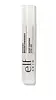
This acne treatment is formulated around Salicylic Acid and Melaleuca Alternifolia Leaf Oil to clear breakouts and balance excess oil.
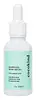
This acne serum is formulated around Salicylic Acid and Gluconolactone to clear breakouts and refine skin texture.

What's inside
What's inside
 Key Ingredients
Benefits
Concerns
Ingredients Side-by-side
Salicylic Acid 1%
Masking










Water
Skin ConditioningAlcohol Denat.
Antimicrobial
Butylene Glycol
Humectant

Polyacrylate Crosspolymer-6
Emulsion StabilisingCamphor
Masking
Sodium Hydroxide
BufferingMelaleuca Alternifolia Leaf Oil
Antioxidant



Hamamelis Virginiana Extract
Antiseborrhoeic
Aloe Barbadensis Leaf Extract
Emollient

Camellia Sinensis Leaf Extract
Antimicrobial
T-Butyl Alcohol
Perfuming
Sodium Benzoate
Masking
Phenoxyethanol
Preservative
Denatonium Benzoate
Masking
Salicylic Acid 1%, Water, Alcohol Denat., Butylene Glycol, Polyacrylate Crosspolymer-6, Camphor, Sodium Hydroxide, Melaleuca Alternifolia Leaf Oil, Hamamelis Virginiana Extract, Aloe Barbadensis Leaf Extract, Camellia Sinensis Leaf Extract, T-Butyl Alcohol, Sodium Benzoate, Phenoxyethanol, Denatonium Benzoate
Salicylic Acid 1.5%
Masking
Aloe Barbadensis Leaf Juice
Skin Conditioning
Propanediol
Solvent
Glycerin
Humectant
Sodium Citrate
BufferingMusa Sapientum Fruit Extract
Skin ConditioningGluconolactone
Chelating
Lysolecithin
EmulsifyingSclerotium Gum
Emulsion StabilisingMaltodextrin
Absorbent
Sodium Benzoate
Masking
Sodium Hydroxide
BufferingPullulan
Xanthan Gum
EmulsifyingLactobacillus Ferment
Skin Conditioning
Tocopherol
Antioxidant

Silica
Abrasive
Helianthus Annuus Seed Oil
Emollient
Calcium Gluconate
HumectantBeta-Glucan
Skin Conditioning
1,2-Hexanediol
Skin Conditioning
Caprylyl Glycol
Emollient
Pyrus Malus Fruit Extract
Skin Conditioning
Morinda Citrifolia Fruit Extract
Skin Conditioning
Salicylic Acid 1.5%, Aloe Barbadensis Leaf Juice, Propanediol, Glycerin, Sodium Citrate, Musa Sapientum Fruit Extract, Gluconolactone, Lysolecithin, Sclerotium Gum, Maltodextrin, Sodium Benzoate, Sodium Hydroxide, Pullulan, Xanthan Gum, Lactobacillus Ferment, Tocopherol, Silica, Helianthus Annuus Seed Oil, Calcium Gluconate, Beta-Glucan, 1,2-Hexanediol, Caprylyl Glycol, Pyrus Malus Fruit Extract, Morinda Citrifolia Fruit Extract
Reviews
Ingredients Explained
These ingredients are found in both products.
Ingredients higher up in an ingredient list are typically present in a larger amount.
Salicylic Acid (also known as beta hydroxy acid or BHA) is a well-known ingredient for treating skin that struggles with acne and clogged pores. It exfoliates both the skin's surface and deep within the pores to help clear out buildup, control oil, and reduce inflammation.
Unlike AHAs (alpha hydroxy acids), salicylic acid is oil-soluble. This allows it to penetrate into pores which makes it especially effective for treating blackheads and preventing future breakouts.
Salicylic acid is also known for its soothing properties. It has a similar structure to aspirin and can calm inflamed or irritated skin, making it a good option for acne-prone skin that is also sensitive.
Concentrations of 0.5-2% are recognized by the U.S. FDA as an over-the-counter topical acne product.
It can cause irritation and/or dryness if one's skin already has a compromised moisture barrier, so it's best to focus on repairing that before introducing this ingredient into your routine.
While salicylic acid does not increase sun sensitivity, it’s still important to wear sunscreen daily to protect your skin.
If you are looking for the ingredient called BHA or Butylated Hydroxyanisole, click here.
Learn more about Salicylic AcidSodium Benzoate is a preservative. It's used in both cosmetic and food products to inhibit the growth of mold and bacteria. It is typically produced synthetically.
Both the US FDA and EU Health Committee have approved the use of sodium benzoate. In the US, levels of 0.1% (of the total product) are allowed.
Sodium benzoate works as a preservative by inhibiting the growth of bacteria inside of cells. It prevents the cell from fermenting a type of sugar using an enzyme called phosphofructokinase.
It is the salt of benzoic acid. Foods containing sodium benzoate include soda, salad dressings, condiments, fruit juices, wines, and snack foods.
Studies for using ascorbic acid and sodium benzoate in cosmetics are lacking, especially in skincare routines with multiple steps.
We always recommend speaking with a professional, such as a dermatologist, if you have any concerns.
Learn more about Sodium BenzoateSodium Hydroxide is also known as lye or caustic soda. It is used to adjust the pH of products; many ingredients require a specific pH to be effective.
In small amounts, sodium hydroxide is considered safe to use. However, large amounts may cause chemical burns due to its high alkaline.
Your skin has a natural pH and acid mantle. This acid mantle helps prevent harmful bacteria from breaking through. The acid mantle also helps keep your skin hydrated.
"Alkaline" refers to a high pH level. A low pH level would be considered acidic.
Learn more about Sodium Hydroxide

