

What's inside
What's inside
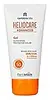 Key Ingredients
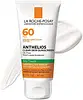
Benefits
Concerns
Ingredients Side-by-side
Water
Skin ConditioningEthylhexyl Methoxycinnamate
UV Absorber


Octocrylene
UV Absorber
Styrene/Acrylates Copolymer
Cyclopentasiloxane
Emollient
Glycerin
Humectant


Hexylene Glycol
EmulsifyingPolyacrylamide
PEG/PPG-20/6 Dimethicone
Emulsifying
Zinc Oxide
Cosmetic Colorant
C13-14 Isoparaffin
Emollient
Polypodium Leucotomos Leaf Extract
Skin Protecting
Phenoxyethanol
Preservative
Titanium Dioxide
Cosmetic Colorant
Laureth-7
EmulsifyingCetyl Dimethicone
Emollient
Camellia Sinensis Extract
Antioxidant


Tocopheryl Acetate
Antioxidant

Dichlorobenzyl Alcohol
Antimicrobial
Micrococcus Lysate
Skin ConditioningTetrasodium EDTA
Alumina
Abrasive
BHT
Antioxidant
Simethicone
Emollient
Triethoxycaprylylsilane
Parfum
Masking


Linalool
Perfuming
Limonene
Perfuming
Water, Ethylhexyl Methoxycinnamate, Octocrylene, Styrene/Acrylates Copolymer, Cyclopentasiloxane, Glycerin, Hexylene Glycol, Polyacrylamide, PEG/PPG-20/6 Dimethicone, Zinc Oxide, C13-14 Isoparaffin, Polypodium Leucotomos Leaf Extract, Phenoxyethanol, Titanium Dioxide, Laureth-7, Cetyl Dimethicone, Camellia Sinensis Extract, Tocopheryl Acetate, Dichlorobenzyl Alcohol, Micrococcus Lysate, Tetrasodium EDTA, Alumina, BHT, Simethicone, Triethoxycaprylylsilane, Parfum, Linalool, Limonene
Butyl Methoxydibenzoylmethane 3%
UV Absorber
Homosalate 15%
Skin Conditioning
Ethylhexyl Salicylate 5%
UV Absorber
Octocrylene 7%
UV Absorber
Water
Skin ConditioningSilica
Abrasive
Dicaprylyl Carbonate
EmollientStyrene/Acrylates Copolymer
Butyloctyl Salicylate
Skin Conditioning
Methyl Methacrylate Crosspolymer
Nylon-12
PEG-100 Stearate
Surfactant
Glyceryl Stearate
Emollient
Perlite
Absorbent
Beeswax
Emulsion Stabilising
Ammonium Polyacryloyldimethyl Taurate
Emulsion StabilisingPhenoxyethanol
Preservative
PEG-8 Laurate
Emulsifying
Behenyl Alcohol
Emollient
Sodium Stearoyl Glutamate
CleansingChlorphenesin
Antimicrobial
P-Anisic Acid
Masking
Xanthan Gum
EmulsifyingTocopherol
Antioxidant

Disodium EDTA
Arachidyl Alcohol
Emollient
Diethylhexyl Syringylidenemalonate
Skin ProtectingPropylene Glycol
Humectant
Cassia Alata Leaf Extract
AstringentMaltodextrin
Absorbent
Stearyl Alcohol
Emollient
T-Butyl Alcohol
Perfuming

Caprylic/Capric Triglyceride
Masking
Butyl Methoxydibenzoylmethane 3%, Homosalate 15%, Ethylhexyl Salicylate 5%, Octocrylene 7%, Water, Silica, Dicaprylyl Carbonate, Styrene/Acrylates Copolymer, Butyloctyl Salicylate, Methyl Methacrylate Crosspolymer, Nylon-12, PEG-100 Stearate, Glyceryl Stearate, Perlite, Beeswax, Ammonium Polyacryloyldimethyl Taurate, Phenoxyethanol, PEG-8 Laurate, Behenyl Alcohol, Sodium Stearoyl Glutamate, Chlorphenesin, P-Anisic Acid, Xanthan Gum, Tocopherol, Disodium EDTA, Arachidyl Alcohol, Diethylhexyl Syringylidenemalonate, Propylene Glycol, Cassia Alata Leaf Extract, Maltodextrin, Stearyl Alcohol, T-Butyl Alcohol, Caprylic/Capric Triglyceride
Reviews
Ingredients Explained
These ingredients are found in both products.
Ingredients higher up in an ingredient list are typically present in a larger amount.
Octocrylene is an oil-soluble organic UV filter that mainly absorbs UVB and short wave UVA II light.
Its real superpower is teamwork: octocrylene is remarkably photostable and is most famous for stabilizing avobenzone (the workhorse UVA filter).
This ingredient is commonly used to enhance both UVB and UVA protection due to its unique property in stabilizing avobenzone. It also pulls double duty by boosting water resistance and giving formulas a smooth, spreadable feel.
The EU's Scientific Committee on Consumer Safety (SCCS) has deemed octocrylene to be safe as a UV-filter at concentrations up to 10% (capped at 9% in propellant sprays). The US also permits it up to 10%.
Two things worth knowing:
You'll usually see this ingredient used in concentrations between 2-10% (higher amounts when used as a stabilizer for avobenzone).
Learn more about OctocrylenePhenoxyethanol is a preservative that has germicide, antimicrobial, and aromatic properties. Studies show that phenoxyethanol can prevent microbial growth. By itself, it has a scent that is similar to that of a rose.
It's often used in formulations along with Caprylyl Glycol to preserve the shelf life of products.
This ingredient is a synthetic polymer that mainly works as a film former. It creates a thin, flexible film on the surface of your skin. Once applied, it helps improves wear, durability, and resistance to water/smudging.
Due to its large molecule size, it sits on top of your skin rather than absorbing into it.
Water. It's the most common cosmetic ingredient of all. You'll usually see it at the top of ingredient lists, meaning that it makes up the largest part of the product.
So why is it so popular? Water most often acts as a solvent - this means that it helps dissolve other ingredients into the formulation.
You'll also recognize water as that liquid we all need to stay alive. If you see this, drink a glass of water. Remember to stay hydrated!
Learn more about Water
