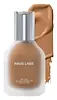
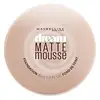
Haus Labs By Lady Gaga Triclone Skin Tech Medium Coverage Foundation with Fermented Arnica Versus Maybelline Dream Matte Mousse Foundation

What's inside
What's inside
 Key Ingredients
Benefits
Concerns
Ingredients Side-by-side
Water
Skin ConditioningDiphenylsiloxy Phenyl Trimethicone
Skin Conditioning
Phenyl Trimethicone
Skin Conditioning
Caprylyl Methicone
Skin Conditioning
Trimethylsiloxysilicate
Emollient
Propylene Glycol Dibenzoate
Skin ConditioningIsododecane
EmollientGlycerin
Humectant


Butylene Glycol
Humectant
Methyl Trimethicone
Skin Conditioning
Lauryl Polyglyceryl-3 Polydimethylsiloxyethyl Dimethicone
Skin Conditioning
C13-15 Alkane
SolventPolyglyceryl-3 Polydimethylsiloxyethyl Dimethicone
Skin Conditioning
Alcohol Denat.
Antimicrobial




Acrylates/Polytrimethylsiloxymethacrylate Copolymer
Skin ConditioningPolymethylsilsesquioxane
Sorbitan Sesquioleate
Emulsifying

Disteardimonium Hectorite
Stabilising1,2-Hexanediol
Skin Conditioning
Palmitoyl Tetrapeptide-10
Skin Conditioning
Arnica Montana Flower Extract
Masking
Hydrolyzed Hyaluronic Acid
Humectant

Squalane
Emollient
Pseudozyma Epicola/Camellia Sinensis Seed Oil Ferment Extract Filtrate
Humectant
Prunus Armeniaca Kernel Oil
Masking
Solanum Lycopersicum Fruit Extract
Antioxidant
Dunaliella Salina Extract
Skin ConditioningHedychium Coronarium Root Extract
MaskingTocopherol
Antioxidant



Althaea Rosea Flower Extract
Skin ConditioningTaraxacum Officinale Extract
Skin ConditioningPerilla Ocymoides Leaf Extract
TonicPanax Notoginseng Extract
Skin ConditioningGlycyrrhiza Glabra Root Extract
Bleaching
Chamomilla Recutita Extract
Skin Conditioning
Centella Asiatica Extract
Cleansing
Pseudozyma Epicola/Sunflower Seed Oil Ferment Extract Filtrate
Emulsion Stabilising
Caprylyl Glycol
Emollient
Ethylhexylglycerin
Skin ConditioningMagnesium Sulfate
Polypropylsilsesquioxane
Acrylates/Dimethicone Copolymer
Skin Conditioning
Triethoxycaprylylsilane
Dimethicone/Vinyl Dimethicone Crosspolymer
Skin Conditioning
Aluminum Hydroxide
EmollientCI 77891
Cosmetic ColorantCI 77491
Cosmetic ColorantWater, Diphenylsiloxy Phenyl Trimethicone, Phenyl Trimethicone, Caprylyl Methicone, Trimethylsiloxysilicate, Propylene Glycol Dibenzoate, Isododecane, Glycerin, Butylene Glycol, Methyl Trimethicone, Lauryl Polyglyceryl-3 Polydimethylsiloxyethyl Dimethicone, C13-15 Alkane, Polyglyceryl-3 Polydimethylsiloxyethyl Dimethicone, Alcohol Denat., Acrylates/Polytrimethylsiloxymethacrylate Copolymer, Polymethylsilsesquioxane, Sorbitan Sesquioleate, Disteardimonium Hectorite, 1,2-Hexanediol, Palmitoyl Tetrapeptide-10, Arnica Montana Flower Extract, Hydrolyzed Hyaluronic Acid, Squalane, Pseudozyma Epicola/Camellia Sinensis Seed Oil Ferment Extract Filtrate, Prunus Armeniaca Kernel Oil, Solanum Lycopersicum Fruit Extract, Dunaliella Salina Extract, Hedychium Coronarium Root Extract, Tocopherol, Althaea Rosea Flower Extract, Taraxacum Officinale Extract, Perilla Ocymoides Leaf Extract, Panax Notoginseng Extract, Glycyrrhiza Glabra Root Extract, Chamomilla Recutita Extract, Centella Asiatica Extract, Pseudozyma Epicola/Sunflower Seed Oil Ferment Extract Filtrate, Caprylyl Glycol, Ethylhexylglycerin, Magnesium Sulfate, Polypropylsilsesquioxane, Acrylates/Dimethicone Copolymer, Triethoxycaprylylsilane, Dimethicone/Vinyl Dimethicone Crosspolymer, Aluminum Hydroxide, CI 77891, CI 77491
Cyclopentasiloxane
Emollient
Dimethicone
Emollient
Squalane
Emollient
Dimethicone Crosspolymer
Emulsion Stabilising
Dimethicone/Vinyl Dimethicone Crosspolymer
Skin Conditioning
Hydrogenated Jojoba Oil
Abrasive
Polymethylsilsesquioxane
Methyl Methacrylate Crosspolymer

Silica Dimethyl Silylate
EmollientPhenoxyethanol
Preservative
Phenyl Trimethicone
Skin Conditioning
Disodium Stearoyl Glutamate
CleansingVinyl Dimethicone/Methicone Silsesquioxane Crosspolymer
Methylparaben
Preservative

Aluminum Hydroxide
EmollientBHT
Antioxidant
Butylparaben
Masking
Ethylparaben
Preservative
Propylparaben
Preservative
CI 77891
Cosmetic ColorantCI 77491
Cosmetic ColorantCI 77492
Cosmetic ColorantCI 77499
Cosmetic ColorantCI 77163
Cosmetic Colorant
Fish Oil
Skin Conditioning
Cyclopentasiloxane, Dimethicone, Squalane, Dimethicone Crosspolymer, Dimethicone/Vinyl Dimethicone Crosspolymer, Hydrogenated Jojoba Oil, Polymethylsilsesquioxane, Methyl Methacrylate Crosspolymer, Silica Dimethyl Silylate, Phenoxyethanol, Phenyl Trimethicone, Disodium Stearoyl Glutamate, Vinyl Dimethicone/Methicone Silsesquioxane Crosspolymer, Methylparaben, Aluminum Hydroxide, BHT, Butylparaben, Ethylparaben, Propylparaben, CI 77891, CI 77491, CI 77492, CI 77499, CI 77163, Fish Oil
Reviews
Ingredients Explained
These ingredients are found in both products.
Ingredients higher up in an ingredient list are typically present in a larger amount.
Aluminum Hydroxide is a form of aluminum. It can be naturally found in nature as the mineral gibbsite. In cosmetics, Aluminum Hydroxide is used as a colorant, pH adjuster, and absorbent.
As a colorant, Aluminum Hydroxide may add opacity, or reduce the transparency. Aluminum hydroxide is contains both basic and acidic properties.
According to manufacturers, this ingredient is an emollient and humectant. This means it helps hydrate the skin.
In medicine, this ingredient is used to help relieve heartburn and help heal ulcers.
There is currently no credible scientific evidence linking aluminum hydroxide in cosmetics to increased cancer risk.
Major health organizations allow the use of aluminum hydroxide in personal care products and have not flagged it as a carcinogenic risk at typical usage levels.
Learn more about Aluminum HydroxideCi 77491 is also hydrated iron III oxide. It's sole purpose is to give a red/pink hue to products.
Iron III oxides are classified as inorganic chemicals for coloring.
Synthetically created Ci 77491 is considered safer than those naturally found. This is because the synthetically created version may contain less impurities. Iron oxides are generally non-toxic and non-allergenic.
Learn more about CI 77491Ci 77891 is a white pigment from Titanium dioxide. It is naturally found in minerals such as rutile and ilmenite.
It's main function is to add a white color to cosmetics. It can also be mixed with other colors to create different shades.
Ci 77891 is commonly found in sunscreens due to its ability to block UV rays.
Learn more about CI 77891This ingredient is a silicone elastomer that works as a texture enhancer, adds a silky slip, and also helps absorb excess oil.
Because it's a large macromolecule that's insoluble in water and chemically inert, it's not expected to penetrate or be absorbed into skin.
Human patch tests with a facial lotion containing 1% of this ingredient found no sensitization.
Learn more about Dimethicone/Vinyl Dimethicone CrosspolymerPhenyl Trimethicone is a silicon-based polymer. It is derived from silica.
Phenyl Trimethicone is used as an emollient and prevents products from foaming.
As an emollient, it helps trap moisture in the skin. It is considered an occlusive.
Learn more about Phenyl TrimethiconePolymethylsilsesquioxane is a silicone used as a film forming agent.
When applied to the skin, this ingredient creates an invisible film on the surface. This film still allows oxygen to pass through, but prevents moisture from escaping. This can help condition and hydrate the skin. It also leaves a silky feel when applied.
Polymethylsilsesquioxane has not been shown to clog pores. It has been deemed safe to use up to 55%, but most cosmetics use much less.
If you have concerns about using this ingredient, we recommend speaking with a professional.
Learn more about PolymethylsilsesquioxaneSqualane is the hydrogenated and shelf-stable form of squalene (a lipid that naturally occurs in human sebum).
It is an emollient and skin conditioning agent that is able to integrate seamlessly into the skin's lipid barrier without clogging pores.
This is due to how structurally similar it is to what your skin already produces.
Though it is mostly an emollient that helps soften and hydrate skin, it also has some humectant and occlusive action. Humectants help the skin retain moisture while occlusives seal it in, making squalane a triple-threat moisturizer.
Research shows it has antioxidant capabilities that help protect against stressors like UV exposure, specifically UVA induced oxidative stress. This study also found that it supports collagen biosynthesis in human dermal fibroblasts.
No clinical study has reported significant adverse effects and irritation reactions are very rare from this ingredient (even at 100% concentration).
Overall, it's a fantastic ingredient for hydration and is suitable for all skin types.
This depends on the source. Squalane can be derived from both plants and animals. Most squalane used in skincare comes from plants.
Please note: the source of squalane is only known if disclosed by the brand. We recommend reaching out to the brand if you have any questions about their squalane.
Read more about squalene with an "e".
Though squalane is often called an oil, it’s technically not one. It is a hydrocarbon, meaning it is only made of carbon and hydrogen. True oils are triglycerides and made of fatty acids and glycerol.
The term “oil-free” isn’t regulated so companies can define it however they want. Some exclude all oils, while others just avoid mineral oil or comedogenic oils.
Squalane has a comedogenic rating of 1 from the original 1972 study that tested raw ingredients under occlusion on rabbit ears. This system is not standardized or peer-reviewed, and using the raw ingredients is very different from how diluted cosmetic formulations are used on human skin.
A comedogenic rating of 1 means it is "unlikely to clog pores" according to the original rating system.
The overall formula of a product matters more than the individual ingredients on whether or not it will cause clogged pores.
Learn more about Squalane
