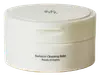
This betaine salicylate gel cleanser is formulated around Betaine Salicylate to clear breakouts and unclog pores.
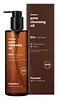
This oil-based makeup remover is made to dissolve makeup, sunscreen, and daily buildup.

What's inside
What's inside
 Key Ingredients
Benefits
Concerns
Ingredients Side-by-side
Water
Skin ConditioningPEG-7 Glyceryl Cocoate
Emulsifying




Dipropylene Glycol
HumectantEthylhexyl Palmitate
Emollient

Glycerin
Humectant


1,2-Hexanediol
Skin Conditioning
Dicaprylyl Ether
Emollient
Coco-Caprylate/Caprate
Emollient
Hydroxyacetophenone
Antioxidant
Citric Acid
Buffering

Litsea Cubeba Fruit Oil
Masking



Disodium EDTA
ChelatingEthylhexylglycerin
Skin ConditioningButylene Glycol
Humectant
Citrus Aurantium Dulcis Peel Oil
Masking
Lavandula Angustifolia Oil
Masking
Betaine Salicylate
Antimicrobial



Sodium Citrate
BufferingSimmondsia Chinensis Seed Oil
Emollient
Pelargonium Graveolens Oil
Masking
Canarium Luzonicum Gum Nonvolatiles
MaskingRosmarinus Officinalis Leaf Oil
Masking
Eucalyptus Globulus Leaf Oil
Perfuming
Citrus Aurantium Amara Flower Oil
Masking
Anthemis Nobilis Flower Oil
Masking
Enantia Chlorantha Bark Extract
Skin ConditioningRhus Semialata Gall Extract
Skin ConditioningCamellia Japonica Flower Extract
EmollientChenopodium Quinoa Seed Extract
Skin Conditioning
Oenothera Biennis Flower Extract
AstringentUlmus Davidiana Root Extract
Skin Conditioning
Pinus Palustris Leaf Extract
TonicPueraria Lobata Root Extract
HumectantOleanolic Acid
Skin ConditioningOxygen
Skin ConditioningWater, PEG-7 Glyceryl Cocoate, Dipropylene Glycol, Ethylhexyl Palmitate, Glycerin, 1,2-Hexanediol, Dicaprylyl Ether, Coco-Caprylate/Caprate, Hydroxyacetophenone, Citric Acid, Litsea Cubeba Fruit Oil, Disodium EDTA, Ethylhexylglycerin, Butylene Glycol, Citrus Aurantium Dulcis Peel Oil, Lavandula Angustifolia Oil, Betaine Salicylate, Sodium Citrate, Simmondsia Chinensis Seed Oil, Pelargonium Graveolens Oil, Canarium Luzonicum Gum Nonvolatiles, Rosmarinus Officinalis Leaf Oil, Eucalyptus Globulus Leaf Oil, Citrus Aurantium Amara Flower Oil, Anthemis Nobilis Flower Oil, Enantia Chlorantha Bark Extract, Rhus Semialata Gall Extract, Camellia Japonica Flower Extract, Chenopodium Quinoa Seed Extract, Oenothera Biennis Flower Extract, Ulmus Davidiana Root Extract, Pinus Palustris Leaf Extract, Pueraria Lobata Root Extract, Oleanolic Acid, Oxygen
Cetyl Ethylhexanoate
EmollientCaprylic/Capric Triglyceride
Masking
PEG-20 Glyceryl Triisostearate
Emollient
Synthetic Wax
Abrasive
PEG-10 Isostearate
Emulsifying
Sorbitan Sesquioleate
Emulsifying
Hippophae Rhamnoides Oil
Emollient
Oryza Sativa Bran Oil
Emollient
Water
Skin ConditioningOryza Sativa Seed Water
Antimicrobial
Glycerin
Humectant
Propanediol
Solvent
1,2-Hexanediol
Skin Conditioning
Lactobacillus/Soybean Ferment Extract
Skin ConditioningButylene Glycol
Humectant
Coix Lacryma-Jobi Ma-Yuen Seed Extract
Skin ConditioningOryza Sativa Extract
Absorbent

Avena Sativa Meal Extract
SoothingEthylhexylglycerin
Skin ConditioningCaprylyl Glycol
Emollient
Cetyl Ethylhexanoate, Caprylic/Capric Triglyceride, PEG-20 Glyceryl Triisostearate, Synthetic Wax, PEG-10 Isostearate, Sorbitan Sesquioleate, Hippophae Rhamnoides Oil, Oryza Sativa Bran Oil, Water, Oryza Sativa Seed Water, Glycerin, Propanediol, 1,2-Hexanediol, Lactobacillus/Soybean Ferment Extract, Butylene Glycol, Coix Lacryma-Jobi Ma-Yuen Seed Extract, Oryza Sativa Extract, Avena Sativa Meal Extract, Ethylhexylglycerin, Caprylyl Glycol
Reviews
Ingredients Explained
These ingredients are found in both products.
Ingredients higher up in an ingredient list are typically present in a larger amount.
1,2-Hexanediol is a synthetic liquid and another multi-functional powerhouse.
It is a:
- Humectant, drawing moisture into the skin
- Emollient, helping to soften skin
- Solvent, dispersing and stabilizing formulas
- Preservative booster, enhancing the antimicrobial activity of other preservatives
Butylene Glycol (or BG) is used within cosmetic products for a few different reasons:
Overall, Butylene Glycol is a safe and well-rounded ingredient that works well with other ingredients.
Though this ingredient works well with most skin types, some people with sensitive skin may experience a reaction such as allergic rashes, closed comedones, or itchiness.
Learn more about Butylene GlycolEthylhexylglycerin is created from glycerin. It is a multitasker ingredient that:
The CIR Expert Panel found minimal skin absorption or sensitization of any kind in a safety assessment. Though this ingredient is considered well-tolerated, a small number of cases of allergic dermatitis have been published since 2002. Just be sure to patch test if you are unsure.
Industry-reported use ranges from 8% in rinse-off products and 2% in leave-on formulations.
Learn more about EthylhexylglycerinGlycerin (or glycerol) is a compound naturally found in your skin. It's a powerhouse humectant that pulls water into the stratum corneum.
Topically, glycerin does several things at once:
Your skin makes glycerin on its own (mostly from sebaceous oil breakdown) and shuttles it to your outermost layer of skin, or your epidermis, via aquaporin-3.
Aquaporin-3 is a transporter that is essential for normal skin hydration, elasticity, and repair. Interestingly, mice lacking in AQP3 have dry and less elastic skin that can be fully corrected with glycerin.
This ingredient is non-irritating, plays well with almost every ingredient, and works across all skin types. Typical use is anywhere between 3-10% but can go up to 79% in some leave-on products.
Just know very high concentrations (>40%) can feel tacky in low humidity.
Glycerin is the name for this ingredient in American English. British English uses Glycerol/Glycerine.
Learn more about GlycerinWater. It's the most common cosmetic ingredient of all. You'll usually see it at the top of ingredient lists, meaning that it makes up the largest part of the product.
So why is it so popular? Water most often acts as a solvent - this means that it helps dissolve other ingredients into the formulation.
You'll also recognize water as that liquid we all need to stay alive. If you see this, drink a glass of water. Remember to stay hydrated!
Learn more about Water

