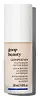
This anti-aging serum is formulated around Bifida Ferment Lysate and Niacinamide to soften the look of wrinkles and strengthen the skin barrier.
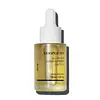
This anti-aging oil is formulated around Bakuchiol to soften the look of wrinkles.

What's inside
What's inside
 Key Ingredients
Benefits
Concerns
Ingredients Side-by-side
Water
Skin ConditioningBifida Ferment Lysate
Skin Conditioning



Carthamus Tinctorius Oleosomes
Emollient

Glycerin
Humectant
Niacinamide
Smoothing







Saccharomyces/Xylinum/Black Tea Ferment
Skin Conditioning
Capryloyl Glycerin/Sebacic Acid Copolymer
Skin ConditioningPropanediol
Solvent
Daemonorops Draco Extract
AstringentAloe Barbadensis Leaf Juice
Skin Conditioning
Squalane
Emollient
Haematococcus Pluvialis Extract
Antioxidant
Acmella Oleracea Extract
Skin ProtectingXanthan Gum
EmulsifyingTriethyl Citrate
Masking

Sodium Benzoate
Masking
Sodium Levulinate
Skin ConditioningPotassium Sorbate
Preservative
Salicylic Acid
Masking



Tocopherol
Antioxidant
Carnosine
Skin Conditioning
Gluconolactone
Chelating
Ceramide NP
Skin Conditioning
Saccharomyces Ferment Filtrate
Humectant
Sodium Hyaluronate
Humectant
Sodium Phytate
ChelatingCitrus Limon Fruit Extract
Masking
Coriandrum Sativum Fruit Oil
Masking

Maltodextrin
Absorbent
Tetrasodium Glutamate Diacetate
Chelating2-Hexanol
Perfuming
Canarium Luzonicum Gum Nonvolatiles
MaskingPiper Nigrum Fruit Oil
Masking
Citric Acid
Buffering
Heptapeptide-7
Skin Conditioning
Lecithin
Emollient
Boswellia Carterii Oil
Masking
Citrus Aurantium Dulcis Peel Oil
Masking
Commiphora Myrrha Oil
Masking
Vetiveria Zizanoides Root Oil
Masking
Zingiber Officinale Root Oil
Masking
Calcium Gluconate
HumectantFerula Galbaniflua Resin Oil
Antimicrobial
Limonene
Perfuming
Linalool
Perfuming
Water, Bifida Ferment Lysate, Carthamus Tinctorius Oleosomes, Glycerin, Niacinamide, Saccharomyces/Xylinum/Black Tea Ferment, Capryloyl Glycerin/Sebacic Acid Copolymer, Propanediol, Daemonorops Draco Extract, Aloe Barbadensis Leaf Juice, Squalane, Haematococcus Pluvialis Extract, Acmella Oleracea Extract, Xanthan Gum, Triethyl Citrate, Sodium Benzoate, Sodium Levulinate, Potassium Sorbate, Salicylic Acid, Tocopherol, Carnosine, Gluconolactone, Ceramide NP, Saccharomyces Ferment Filtrate, Sodium Hyaluronate, Sodium Phytate, Citrus Limon Fruit Extract, Coriandrum Sativum Fruit Oil, Maltodextrin, Tetrasodium Glutamate Diacetate, 2-Hexanol, Canarium Luzonicum Gum Nonvolatiles, Piper Nigrum Fruit Oil, Citric Acid, Heptapeptide-7, Lecithin, Boswellia Carterii Oil, Citrus Aurantium Dulcis Peel Oil, Commiphora Myrrha Oil, Vetiveria Zizanoides Root Oil, Zingiber Officinale Root Oil, Calcium Gluconate, Ferula Galbaniflua Resin Oil, Limonene, Linalool
Caryodendron Orinocense Seed Oil
Emollient
Emblica Officinalis Fruit Extract
Skin ConditioningOenothera Biennis Oil
Emollient
Oenocarpus Bataua Fruit Oil
Emollient
Rosa Canina Seed Oil
Emollient
Camellia Japonica Seed Oil
Emollient
Squalane
Emollient
Calophyllum Inophyllum Seed Oil
Antimicrobial
Helianthus Annuus Seed Oil
Emollient
Oryza Sativa Bran Extract
Skin Conditioning
Bakuchiol
Antimicrobial
Citrus Aurantium Amara Flower Oil
Masking
Citrus Aurantium Amara Leaf/Twig Oil
Masking
Citrus Aurantium Bergamia Fruit Oil
Masking
Citrus Aurantium Dulcis Oil
Masking
Citrus Medica Limonum Peel Extract
EmollientCitrus Nobilis Oil
Masking
Passiflora Edulis Seed Oil
Emollient
Ricinus Communis Seed Oil
Masking
Salvia Sclarea Oil
Masking
Lupinus Albus Seed Extract
Skin ConditioningTocopherol
Antioxidant
Helianthus Annuus Extract
Emollient
Schisandra Chinensis Fruit Extract
Skin Conditioning
Rosmarinus Officinalis Leaf Extract
AntimicrobialCitral
Perfuming
Citronellol
Perfuming
Geraniol
Perfuming
Limonene
Perfuming
Linalool
Perfuming
Caryodendron Orinocense Seed Oil, Emblica Officinalis Fruit Extract, Oenothera Biennis Oil, Oenocarpus Bataua Fruit Oil, Rosa Canina Seed Oil, Camellia Japonica Seed Oil, Squalane, Calophyllum Inophyllum Seed Oil, Helianthus Annuus Seed Oil, Oryza Sativa Bran Extract, Bakuchiol, Citrus Aurantium Amara Flower Oil, Citrus Aurantium Amara Leaf/Twig Oil, Citrus Aurantium Bergamia Fruit Oil, Citrus Aurantium Dulcis Oil, Citrus Medica Limonum Peel Extract, Citrus Nobilis Oil, Passiflora Edulis Seed Oil, Ricinus Communis Seed Oil, Salvia Sclarea Oil, Lupinus Albus Seed Extract, Tocopherol, Helianthus Annuus Extract, Schisandra Chinensis Fruit Extract, Rosmarinus Officinalis Leaf Extract, Citral, Citronellol, Geraniol, Limonene, Linalool
Ingredients Explained
These ingredients are found in both products.
Ingredients higher up in an ingredient list are typically present in a larger amount.
Limonene is the compound that gives citrus peel its smell.
In skincare, it shows up as a standalone fragrance ingredient or as a natural compound of citrus and other essential oils.
You'll typically see this ingredient used in very small amounts; anything above 0.001% in a leave-on product or 0.01% in a rinse-off has to be named on the label in the EU. The citrus oils that carry it sit around 0.5-1% in a finished formula.
Fresh limonene is a weak allergen; the real issue is that it slowly reacts with air and then breaks down from oxidation to create hydroperoxides (which are strong sensitizers). This is why suppliers are required to keep the peroxide value below 20 mmol.
Positive reactions in people being investigated for eczema vary:
It's worth skipping if you have a known fragrance allergy or a compromised barrier, but the risk is low for most people.
Older or long-opened products are also more likely to bother you than fresh ones due to oxidation.
Learn more about LimoneneLinalool is a small, naturally occurring scent molecule found in plants like lavender, coriander, bergamot, and more.
It is one of the two most-used fragrance ingredients in cosmetics and added purely for smell. Since it's not used for a skin benefit, there's no "effective dose". Concentration depends on the fragrance load of the product.
The EU requires it to be named on the label above 0.001% in leave-on and 0.01% in rinse-off products.
Fresh linalool is a weak sensitizer but air exposure turns some of it into hydroperoxides, which are strong sensitizers. Those oxidation products are the actual allergy concern.
Patch-test clinics see positive reactions to linalool hydroperoxides in about 4% to 12% of dermatitis patients depending on country and test concentration.
Resassuringly, one analytical study found hydroperoxide levels in real fragranced products to be orders of magnitude below what induced sensitization in animal studies with no evidence of oxidation building up during normal storage.
The practical takeaway is that linalool is fine for most people but worth avoiding if you have a confirmed fragrance contact allergy or a badly compromised barrier.
Products stored a long time after opening are also the high-risk scenario since that is when oxidation happens.
The scent of linalool is described as floral, spicy tropical, and citrus-like.
Learn more about LinaloolSqualane is the hydrogenated and shelf-stable form of squalene (a lipid that naturally occurs in human sebum).
It is an emollient and skin conditioning agent that is able to integrate seamlessly into the skin's lipid barrier without clogging pores.
This is due to how structurally similar it is to what your skin already produces.
Though it is mostly an emollient that helps soften and hydrate skin, it also has some humectant and occlusive action. Humectants help the skin retain moisture while occlusives seal it in, making squalane a triple-threat moisturizer.
Research shows it has antioxidant capabilities that help protect against stressors like UV exposure, specifically UVA induced oxidative stress. This study also found that it supports collagen biosynthesis in human dermal fibroblasts.
No clinical study has reported significant adverse effects and irritation reactions are very rare from this ingredient (even at 100% concentration).
Overall, it's a fantastic ingredient for hydration and is suitable for all skin types.
This depends on the source. Squalane can be derived from both plants and animals. Most squalane used in skincare comes from plants.
Please note: the source of squalane is only known if disclosed by the brand. We recommend reaching out to the brand if you have any questions about their squalane.
Read more about squalene with an "e".
Though squalane is often called an oil, it’s technically not one. It is a hydrocarbon, meaning it is only made of carbon and hydrogen. True oils are triglycerides and made of fatty acids and glycerol.
The term “oil-free” isn’t regulated so companies can define it however they want. Some exclude all oils, while others just avoid mineral oil or comedogenic oils.
Squalane has a comedogenic rating of 1 from the original 1972 study that tested raw ingredients under occlusion on rabbit ears. This system is not standardized or peer-reviewed, and using the raw ingredients is very different from how diluted cosmetic formulations are used on human skin.
A comedogenic rating of 1 means it is "unlikely to clog pores" according to the original rating system.
The overall formula of a product matters more than the individual ingredients on whether or not it will cause clogged pores.
Learn more about SqualaneTocopherol is a fat-soluble antioxidant known as Vitamin E.
You'll find this ingredient in the vast majority of skincare (for good reason). It works to neutralize free radicals, or unstable molecules generated by UV exposure, pollution, and other environmental stressors, before they can cause oxidative damage to your skin cells.
Topically applied tocopherol has been shown to protect against UV damage by ramping up the skin's own natural defense enzymes.
It also acts as a skin conditioning agent; some studies show that regular topical use can improve the skin's water-binding capacity over 2-4 weeks.
This ingredient is especially loved for being a team player. When combined with Vitamin C, the photoprotective effect of both ingredients roughly doubles and the combo also helps reduce UV-induced DNA damage.
This ingredient has some brightening potential but it's more of a prevention ingredient than spot-fader. Cell studies show it can slow down melanin production but it's worth noting that it's not the most powerful brightener out there.
In formulations, it also serves as a stabilizer that helps protect other oxidation-prone ingredients from degrading.
Concentrations usually range from 0.1-1% in most leave-on products.
Learn more about Tocopherol

