Good Molecules Lightweight Daily Moisturizer Versus Hero Cosmetics Clear Collective Clarifying Prebiotic Moisturizer
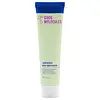
This barrier-repair moisturizer is formulated around Butyrospermum Parkii Butter and Sodium Hyaluronate to strengthen the skin barrier and hydrate skin.
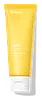
This oil-control moisturizer is formulated around Squalane and Salix Alba Bark Extract to balance excess oil and clear breakouts.

What's inside
What's inside
 Key Ingredients
Benefits
Concerns
Ingredients Side-by-side
Water
Skin ConditioningPropanediol
Solvent

Butyrospermum Parkii Butter
Skin Conditioning




Neopentyl Glycol Diheptanoate
EmollientCetearyl Alcohol
Emollient

1,2-Hexanediol
Skin Conditioning
Persea Gratissima Oil
Skin Conditioning
Cetearyl Olivate
Sorbitan Olivate
Emulsifying
Glyceryl Stearate
Emollient
Cetyl Ethylhexanoate
EmollientCarbomer
Emulsion StabilisingTromethamine
BufferingSodium Hyaluronate
Humectant


Tocopheryl Acetate
Antioxidant


Ethylhexylglycerin
Skin ConditioningTrisodium Ethylenediamine Disuccinate
ChelatingCamellia Sinensis Leaf Water
Masking
Water, Propanediol, Butyrospermum Parkii Butter, Neopentyl Glycol Diheptanoate, Cetearyl Alcohol, 1,2-Hexanediol, Persea Gratissima Oil, Cetearyl Olivate, Sorbitan Olivate, Glyceryl Stearate, Cetyl Ethylhexanoate, Carbomer, Tromethamine, Sodium Hyaluronate, Tocopheryl Acetate, Ethylhexylglycerin, Trisodium Ethylenediamine Disuccinate, Camellia Sinensis Leaf Water
Water
Skin ConditioningButylene Glycol
Humectant
Ethylhexyl Palmitate
Emollient
Cetyl Alcohol
Emollient
Glycerin
Humectant
Hydrogenated Vegetable Oil
Emollient
1,2-Hexanediol
Skin Conditioning
Glyceryl Stearate
Emollient
Squalane
Emollient
Polyglyceryl-3 Methylglucose Distearate
Emulsifying
Erythritol
Humectant
Sorbitol
Humectant
Salvia Officinalis Leaf Extract
CleansingCeramide NP
Skin Conditioning

Trehalose
Humectant
Salix Alba Bark Extract
Astringent

Hamamelis Virginiana Extract
Antiseborrhoeic

Citrus Junos Fruit Extract
Skin ConditioningAnanas Sativus Fruit Extract
Skin ConditioningZinc PCA
Humectant


Sodium Hyaluronate
Humectant
Hydrolyzed Hyaluronic Acid
Humectant
Hydrolyzed Sodium Hyaluronate
Skin Conditioning
Hyaluronic Acid
Humectant
Sodium Hyaluronate Crosspolymer
Humectant
Sodium Acetylated Hyaluronate
Humectant
Hydroxypropyltrimonium Hyaluronate
Potassium Hyaluronate
Skin ConditioningMandelic Acid
Antimicrobial

Glycolic Acid
Buffering
Hydrogenated Lecithin
Emulsifying
Betaine
Humectant
Dipropylene Glycol
HumectantPentylene Glycol
Skin Conditioning
Stearyl Alcohol
Emollient
Carbomer
Emulsion StabilisingTromethamine
BufferingEthylhexylglycerin
Skin ConditioningWater, Butylene Glycol, Ethylhexyl Palmitate, Cetyl Alcohol, Glycerin, Hydrogenated Vegetable Oil, 1,2-Hexanediol, Glyceryl Stearate, Squalane, Polyglyceryl-3 Methylglucose Distearate, Erythritol, Sorbitol, Salvia Officinalis Leaf Extract, Ceramide NP, Trehalose, Salix Alba Bark Extract, Hamamelis Virginiana Extract, Citrus Junos Fruit Extract, Ananas Sativus Fruit Extract, Zinc PCA, Sodium Hyaluronate, Hydrolyzed Hyaluronic Acid, Hydrolyzed Sodium Hyaluronate, Hyaluronic Acid, Sodium Hyaluronate Crosspolymer, Sodium Acetylated Hyaluronate, Hydroxypropyltrimonium Hyaluronate, Potassium Hyaluronate, Mandelic Acid, Glycolic Acid, Hydrogenated Lecithin, Betaine, Dipropylene Glycol, Pentylene Glycol, Stearyl Alcohol, Carbomer, Tromethamine, Ethylhexylglycerin
Reviews
Ingredients Explained
These ingredients are found in both products.
Ingredients higher up in an ingredient list are typically present in a larger amount.
1,2-Hexanediol is a synthetic liquid and another multi-functional powerhouse.
It is a:
- Humectant, drawing moisture into the skin
- Emollient, helping to soften skin
- Solvent, dispersing and stabilizing formulas
- Preservative booster, enhancing the antimicrobial activity of other preservatives
Carbomer is a synthetic thickening and gelling agent. It's basically the ingredient that gives a lot of serums, gels, creams, and sunscreens their smooth, non-sticky texture.
Although legally permitted at very high levels, carbomers are normally used at concentrations below 1%.
It also needs to be neutralized to actually thicken, and because it is a large molecule, it doesn't really penetrate the skin barrier.
Allergy-wise, the risk is very low. Clinical studies show carbomers have low potential for skin irritation/sensitization even at concentrations up to 100%.
A 2024 UK study patch-tested 1,302 patients and found true allergy to the parent group of carbomer to be rare with no confirmed relevant reactions.
Learn more about CarbomerEthylhexylglycerin is created from glycerin. It is a multitasker ingredient that:
The CIR Expert Panel found minimal skin absorption or sensitization of any kind in a safety assessment. Though this ingredient is considered well-tolerated, a small number of cases of allergic dermatitis have been published since 2002. Just be sure to patch test if you are unsure.
Industry-reported use ranges from 8% in rinse-off products and 2% in leave-on formulations.
Learn more about EthylhexylglycerinGlyceryl Stearate is made by reacting glycerin with stearic acid (typically sourced from plant oils like palm or coconut). It's an emulsifier, emollient, and mild occlusive.
Emulsifiers help ingredients like oil and water stay mixed so your formula stays nicely blended and uniform in texture.
This ingredient is typically used in concentrations between 1-10%. Studies have found it to be non-sensitizing, non-phototoxic, and non-photoallergenic.
A close cousin of this ingredient is Glyceryl Stearate SE ("self-emulsifying"). This just has a small amount of sodium or potassium stearate added so it can emulsify without a co-emulsifier.
Since this ingredient is an ester of a C18 fatty acid, it may not be fungal acne safe. The Malassezia yeast can potentially metabolize within the C11-C24 range.
Fun fact: The human body also creates Glyceryl Stearate naturally.
Learn more about Glyceryl StearateSodium Hyaluronate is the salt form of hyaluronic acid. It is a long sugar chain that is naturally found in your skin, joints, and connective tissue that maintains hydration and elasticity.
In skincare, it works as a humectant. It pulls water from the environment and deeper layers of skin and binds it to the surface.
Interestingly, the size of the molecule affects its behavior:
Some clinical evidence links low molecular weight versions to improved wrinkle depth, elasticity, anti-inflammatory effects, and barrier repair.
Many serums use a blend of both weights so you can get surface hydration plus longer-lasting and deeper effects.
You'll typically see concentrations between 0.1-2% for this ingredient.
Learn more about Sodium HyaluronateTromethamine (aka THAM) is a synthetic amino acid that shows up in skincare as a helper ingredient.
It functions as a pH adjuster to help neutralize acidic ingredients and set a formula's pH to the right spot.
This matters a lot because a lot of actives (like vitamin C) needs a specific pH to work well and feel comfortable on skin.
Concentration use ranges from 0.1-1.0% depending on the formula.
Learn more about TromethamineWater. It's the most common cosmetic ingredient of all. You'll usually see it at the top of ingredient lists, meaning that it makes up the largest part of the product.
So why is it so popular? Water most often acts as a solvent - this means that it helps dissolve other ingredients into the formulation.
You'll also recognize water as that liquid we all need to stay alive. If you see this, drink a glass of water. Remember to stay hydrated!
Learn more about Water

