Glowinc Potion Chroma+ Bright Radiant Everyday Moisturizer Versus Azarine Advanced Youth Barrier Moisturizer
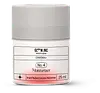
This brightening moisturizer is formulated around Niacinamide and Ascorbyl Glucoside to brighten dull-looking skin and fade the look of dark spots.
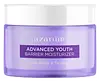
This barrier-repair moisturizer is formulated around Squalane and Ceramide NP to strengthen the skin barrier and soften the look of wrinkles.

What's inside
What's inside
 Key Ingredients
Benefits
Concerns
No concerns
Ingredients Side-by-side
Aloe Barbadensis Leaf Water
MaskingCetyl Alcohol
Emollient



Butylene Glycol
Humectant

Niacinamide
Smoothing










Polyacrylamide
Ascorbyl Glucoside
Antioxidant

Phenoxyethanol
Preservative
Stearyl Alcohol
Emollient
Propylene Glycol
Humectant
C13-14 Isoparaffin
Emollient
Lactobacillus/Milk Ferment Filtrate
Skin ConditioningGlutathione
Ammonium Polyacryloyldimethyl Taurate
Emulsion StabilisingTitanium Dioxide
Cosmetic Colorant

BHT
Antioxidant
Laureth-7
EmulsifyingEthylhexylglycerin
Skin ConditioningSodium Lauroyl Lactylate
EmulsifyingGlycyrrhiza Glabra Root Extract
Bleaching
T-Butyl Alcohol
Perfuming



Ceramide NP
Skin Conditioning
Ceramide AP
Skin Conditioning
Phytosphingosine
Skin Conditioning
Cholesterol
Emollient
Xanthan Gum
EmulsifyingCarbomer
Emulsion StabilisingBeetroot Red
Ceramide EOP
Skin Conditioning
Maltodextrin
Absorbent
Citric Acid
Buffering
Aloe Barbadensis Leaf Water, Cetyl Alcohol, Butylene Glycol, Niacinamide, Polyacrylamide, Ascorbyl Glucoside, Phenoxyethanol, Stearyl Alcohol, Propylene Glycol, C13-14 Isoparaffin, Lactobacillus/Milk Ferment Filtrate, Glutathione, Ammonium Polyacryloyldimethyl Taurate, Titanium Dioxide, BHT, Laureth-7, Ethylhexylglycerin, Sodium Lauroyl Lactylate, Glycyrrhiza Glabra Root Extract, T-Butyl Alcohol, Ceramide NP, Ceramide AP, Phytosphingosine, Cholesterol, Xanthan Gum, Carbomer, Beetroot Red, Ceramide EOP, Maltodextrin, Citric Acid
Water
Skin ConditioningGlycerin
Humectant
Squalane
Emollient
Propanediol
Solvent
Panthenol
Skin Conditioning
Ceramide NP
Skin Conditioning
Chlorphenesin
Antimicrobial
Polyacrylate Crosspolymer-6
Emulsion StabilisingCaprylic/Capric Triglyceride
Masking
Phytol
Emollient
Isomalt
HumectantButylene Glycol
Humectant
Sodium Hyaluronate
Humectant
Pentylene Glycol
Skin Conditioning
Pistacia Lentiscus Gum
MaskingLecithin
Emollient
Glyceryl Caprylate
EmollientPotassium Hyaluronate
Skin ConditioningSodium Hyaluronate Crosspolymer
Humectant
Sodium Acetylated Hyaluronate
Humectant
Hydroxypropyltrimonium Hyaluronate
Hydrolyzed Hyaluronic Acid
Humectant
Hyaluronic Acid
Humectant
Hydrolyzed Sodium Hyaluronate
Skin Conditioning
Clitoria Ternatea Flower Extract
Skin ConditioningAcetyl Hexapeptide-8
Humectant
Water, Glycerin, Squalane, Propanediol, Panthenol, Ceramide NP, Chlorphenesin, Polyacrylate Crosspolymer-6, Caprylic/Capric Triglyceride, Phytol, Isomalt, Butylene Glycol, Sodium Hyaluronate, Pentylene Glycol, Pistacia Lentiscus Gum, Lecithin, Glyceryl Caprylate, Potassium Hyaluronate, Sodium Hyaluronate Crosspolymer, Sodium Acetylated Hyaluronate, Hydroxypropyltrimonium Hyaluronate, Hydrolyzed Hyaluronic Acid, Hyaluronic Acid, Hydrolyzed Sodium Hyaluronate, Clitoria Ternatea Flower Extract, Acetyl Hexapeptide-8
Reviews
Ingredients Explained
These ingredients are found in both products.
Ingredients higher up in an ingredient list are typically present in a larger amount.
Butylene Glycol (or BG) is used within cosmetic products for a few different reasons:
Overall, Butylene Glycol is a safe and well-rounded ingredient that works well with other ingredients.
Though this ingredient works well with most skin types, some people with sensitive skin may experience a reaction such as allergic rashes, closed comedones, or itchiness.
Learn more about Butylene GlycolCeramide NP (formerly known as Ceramide 3) is one of the skin's naturally occurring lipids.
Since ceramides are the major lipid components of the skin, they are crucial for maintaining skin barrier and hydration. Ceramide NP most closely mirrors the dominant kind in human skin amongst ceramide subtypes.
This ceramide works by slotting into gaps within the stratum corneum's lipid matrix to limit trans-epidermal water loss (TEWL) and shield the skin against external irritants.
A study with 312 patients found that using a ceramide-containing routine for 4 weeks reduced the severity of atopic dermatitis by over 61%.
Another clinical study in subjects aged 60 and older found that a ceramide body wash and moisturizer improved skin dryness and itchy skin in 15 days.
Overall, ceramides are considered non-irritating and safety tests have found little to no observable adverse effects from using this ingredient.
Ceramide NP is usually sourced from plants (like soybean or rice bran), or produced synthetically.
Learn more about Ceramide NP

