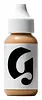
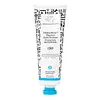
Glossier Perfecting Skin Tint Versus Drunk Elephant Umbra Sheer Physical Daily Defense Broad Spectrum Sunscreen SPF 30
This mineral sunscreen covers the full UV range and blocks ~97% of UVB at SPF 30.

What's inside
What's inside
 Key Ingredients
Benefits
Concerns
Ingredients Side-by-side
Water
Skin ConditioningCyclopentasiloxane
Emollient
Cyclohexasiloxane
Emollient
Dimer Dilinoleyl Dimer Dilinoleate
EmollientPEG-10 Dimethicone
Skin Conditioning
Glycerin
Humectant


Polymethylsilsesquioxane
Alcohol
Antimicrobial




Dimethicone
Emollient
Mica
Cosmetic ColorantCaprylyl Glycol
Emollient
Sodium Chloride
MaskingDisteardimonium Hectorite
StabilisingChlorphenesin
Antimicrobial
Propylene Carbonate
SolventBoron Nitride
Absorbent
Triethoxycaprylylsilane
Ricinus Communis Seed Oil
Masking


Zea Mays Oil
Emulsifying
Diamond Powder
Abrasive
Quercus Suber Bark Extract
Skin ConditioningCI 77891
Cosmetic ColorantCI 77491
Cosmetic ColorantCI 77492
Cosmetic ColorantCI 77499
Cosmetic ColorantWater, Cyclopentasiloxane, Cyclohexasiloxane, Dimer Dilinoleyl Dimer Dilinoleate, PEG-10 Dimethicone, Glycerin, Polymethylsilsesquioxane, Alcohol, Dimethicone, Mica, Caprylyl Glycol, Sodium Chloride, Disteardimonium Hectorite, Chlorphenesin, Propylene Carbonate, Boron Nitride, Triethoxycaprylylsilane, Ricinus Communis Seed Oil, Zea Mays Oil, Diamond Powder, Quercus Suber Bark Extract, CI 77891, CI 77491, CI 77492, CI 77499
Zinc Oxide 20%
Cosmetic Colorant

Water
Skin ConditioningCaprylic/Capric Triglyceride
Masking
Dicaprylyl Carbonate
EmollientPentylene Glycol
Skin Conditioning
Glycerin
Humectant
Steareth-2
EmulsifyingPropanediol
Solvent
Steareth-21
CleansingPolyhydroxystearic Acid
Emulsifying
Cetearyl Alcohol
Emollient

Silica
Abrasive
Sclerocarya Birrea Seed Oil
Humectant
Aloe Barbadensis Leaf Extract
Emollient

Chondrus Crispus Extract
Skin Conditioning
Haematococcus Pluvialis Extract
Antioxidant
Helianthus Annuus Sprout Extract
Skin ConditioningVitis Vinifera Juice Extract
Antioxidant
Helianthus Annuus Seed Oil
Emollient
Simmondsia Chinensis Seed Oil
Emollient
Raspberry Seed Oil/Tocopheryl Succinate Aminopropanediol Esters
Skin Conditioning
Hydrolyzed Wheat Protein
Skin ConditioningTocopheryl Acetate
Antioxidant

Tocopherol
Antioxidant

Sea Water
HumectantAcetyl Glucosamine
Skin Conditioning
Cetearyl Glucoside
Emulsifying
Sodium Stearoyl Glutamate
CleansingTetrahexyldecyl Ascorbate
Antioxidant

Glycine
Buffering
Sucrose
Humectant
Lecithin
Emollient
Triethoxycaprylylsilane
Xanthan Gum
EmulsifyingTrisodium Ethylenediamine Disuccinate
Caprylhydroxamic Acid
Caprylyl Glycol
Emollient
Phenoxyethanol
Preservative
Chlorphenesin
Antimicrobial
Sodium Dehydroacetate
Preservative
CI 77491
Cosmetic ColorantZinc Oxide 20%, Water, Caprylic/Capric Triglyceride, Dicaprylyl Carbonate, Pentylene Glycol, Glycerin, Steareth-2, Propanediol, Steareth-21, Polyhydroxystearic Acid, Cetearyl Alcohol, Silica, Sclerocarya Birrea Seed Oil, Aloe Barbadensis Leaf Extract, Chondrus Crispus Extract, Haematococcus Pluvialis Extract, Helianthus Annuus Sprout Extract, Vitis Vinifera Juice Extract, Helianthus Annuus Seed Oil, Simmondsia Chinensis Seed Oil, Raspberry Seed Oil/Tocopheryl Succinate Aminopropanediol Esters, Hydrolyzed Wheat Protein, Tocopheryl Acetate, Tocopherol, Sea Water, Acetyl Glucosamine, Cetearyl Glucoside, Sodium Stearoyl Glutamate, Tetrahexyldecyl Ascorbate, Glycine, Sucrose, Lecithin, Triethoxycaprylylsilane, Xanthan Gum, Trisodium Ethylenediamine Disuccinate, Caprylhydroxamic Acid, Caprylyl Glycol, Phenoxyethanol, Chlorphenesin, Sodium Dehydroacetate, CI 77491
Reviews
Ingredients Explained
These ingredients are found in both products.
Ingredients higher up in an ingredient list are typically present in a larger amount.
Caprylyl Glycol is a humectant, skin conditioner, emollient, and preservative booster derived from either caprylic acid or synthetically created.
Typical use levels vary from 0.3-1% as a preservative booster and go up to 2% to condition skin.
Because it is not a free-fatty acid, this ingredient is fungal acne safe (there's nothing for Malassezia to feed on).
Learn more about Caprylyl GlycolChlorphenesin is a synthetic preservative. It helps protect a product against bacteria in order to extend shelf life. In most cases, Chlorphenesin is paired with other preservatives such as phenoxyethanol and caprylyl glycol.
Chlorphenesin is a biocide. This means it is able to help fight the microorganisms on our skin. It is also able to fight odor-releasing bacteria.
Chlorphenesin is soluble in both water and glycerin.
Studies show Chlorphenesin is easily absorbed by our skin. You should speak with a skincare professional if you have concerns about using Chlorphenesin.
Learn more about ChlorphenesinCi 77491 is also hydrated iron III oxide. It's sole purpose is to give a red/pink hue to products.
Iron III oxides are classified as inorganic chemicals for coloring.
Synthetically created Ci 77491 is considered safer than those naturally found. This is because the synthetically created version may contain less impurities. Iron oxides are generally non-toxic and non-allergenic.
Learn more about CI 77491Glycerin (or glycerol) is a compound naturally found in your skin. It's a powerhouse humectant that pulls water into the stratum corneum.
Topically, glycerin does several things at once:
Your skin makes glycerin on its own (mostly from sebaceous oil breakdown) and shuttles it to your outermost layer of skin, or your epidermis, via aquaporin-3.
Aquaporin-3 is a transporter that is essential for normal skin hydration, elasticity, and repair. Interestingly, mice lacking in AQP3 have dry and less elastic skin that can be fully corrected with glycerin.
This ingredient is non-irritating, plays well with almost every ingredient, and works across all skin types. Typical use is anywhere between 3-10% but can go up to 79% in some leave-on products.
Just know very high concentrations (>40%) can feel tacky in low humidity.
Glycerin is the name for this ingredient in American English. British English uses Glycerol/Glycerine.
Learn more about GlycerinTriethoxycaprylylsilane is a silicon-based surface modifier that makes sunscreens feel silky and makeup stay put.
Its main job is to coat mineral particles like titanium dioxide, zinc oxide, and color pigments in a thin, oily layer so they spread smoothly, don't clump, and stick to skin better.
This ingredient is typically used at low levels (up to 2.5% in eyeshadow and 1% in lipstick).
Learn more about TriethoxycaprylylsilaneWater. It's the most common cosmetic ingredient of all. You'll usually see it at the top of ingredient lists, meaning that it makes up the largest part of the product.
So why is it so popular? Water most often acts as a solvent - this means that it helps dissolve other ingredients into the formulation.
You'll also recognize water as that liquid we all need to stay alive. If you see this, drink a glass of water. Remember to stay hydrated!
Learn more about Water

