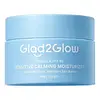
This calming moisturizer is formulated around Squalane and Panthenol to calm redness and strengthen the skin barrier.
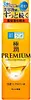
This hydrating toner is formulated around Urea and Sodium Hyaluronate to hydrate skin and strengthen the skin barrier.


What's inside
What's inside
 Key Ingredients
Benefits
Concerns
Ingredients Side-by-side
Water
Skin ConditioningMethylpropanediol
SolventSqualane
Emollient


Coco-Caprylate/Caprate
Emollient
Cetearyl Olivate


Dimethicone
Emollient

Sorbitan Olivate
Emulsifying
1,2-Hexanediol
Skin Conditioning
Panthenol
Skin Conditioning

Hydroxyacetophenone
Antioxidant
Tremella Fuciformis Sporocarp Extract
Antioxidant
Portulaca Oleracea Extract
Skin Conditioning
Lactobacillus/Soymilk Ferment Filtrate
Skin ConditioningBisabolol
Antioxidant
Ectoin
Skin Conditioning
Sodium Hyaluronate
Humectant
Sodium Acrylates Copolymer
Crocus Sativus Flower Extract
MaskingTocopherol
Antioxidant



Ammonium Acryloyldimethyltaurate/Vp Copolymer
Acrylates/C10-30 Alkyl Acrylate Crosspolymer
Emulsion StabilisingLecithin
Emollient
Ethylhexylglycerin
Skin Conditioning
Propanediol
Solvent
Aminomethyl Propanol
BufferingPentylene Glycol
Skin Conditioning
Phenoxyethanol
Preservative
Water, Methylpropanediol, Squalane, Coco-Caprylate/Caprate, Cetearyl Olivate, Dimethicone, Sorbitan Olivate, 1,2-Hexanediol, Panthenol, Hydroxyacetophenone, Tremella Fuciformis Sporocarp Extract, Portulaca Oleracea Extract, Lactobacillus/Soymilk Ferment Filtrate, Bisabolol, Ectoin, Sodium Hyaluronate, Sodium Acrylates Copolymer, Crocus Sativus Flower Extract, Tocopherol, Ammonium Acryloyldimethyltaurate/Vp Copolymer, Acrylates/C10-30 Alkyl Acrylate Crosspolymer, Lecithin, Ethylhexylglycerin, Propanediol, Aminomethyl Propanol, Pentylene Glycol, Phenoxyethanol
Water
Skin ConditioningButylene Glycol
Humectant
Hydroxyethyl Urea
Humectant
PPG-10 Methyl Glucose Ether
Skin ConditioningPentylene Glycol
Skin Conditioning
Dipropylene Glycol
Humectant
Diglycerin
Humectant
Triethyl Citrate
Masking

PEG-32
HumectantUrea
Buffering

Carbomer
Emulsion StabilisingPhenoxyethanol
Preservative
PEG-75
HumectantGlycosyl Trehalose
Emulsion StabilisingDisodium Succinate
MaskingSodium Hyaluronate
Humectant
Hydrogenated Starch Hydrolysate
HumectantSorbitol
Humectant
Diethoxyethyl Succinate
SolventHexylglycerin
HumectantPotassium Hydroxide
Buffering
Polyquaternium-51
Skin Conditioning
Succinic Acid
BufferingDisodium EDTA
Hydroxyethylcellulose
Emulsion StabilisingXanthan Gum
EmulsifyingHydrolyzed Hyaluronic Acid
Humectant
Sodium Acetylated Hyaluronate
Humectant
Hydrolyzed Sodium Hyaluronate
Skin Conditioning
Ethylhexyl Stearate
Emollient

Lactococcus/Hyaluronic Acid Ferment Filtrate
Hydroxypropyltrimonium Hyaluronate
Sodium Hyaluronate Crosspolymer
Humectant
Polyglyceryl-4 Diisostearate/Polyhydroxystearate/Sebacate
Emulsifying
Sodium Isostearate
CleansingWater, Butylene Glycol, Hydroxyethyl Urea, PPG-10 Methyl Glucose Ether, Pentylene Glycol, Dipropylene Glycol, Diglycerin, Triethyl Citrate, PEG-32, Urea, Carbomer, Phenoxyethanol, PEG-75, Glycosyl Trehalose, Disodium Succinate, Sodium Hyaluronate, Hydrogenated Starch Hydrolysate, Sorbitol, Diethoxyethyl Succinate, Hexylglycerin, Potassium Hydroxide, Polyquaternium-51, Succinic Acid, Disodium EDTA, Hydroxyethylcellulose, Xanthan Gum, Hydrolyzed Hyaluronic Acid, Sodium Acetylated Hyaluronate, Hydrolyzed Sodium Hyaluronate, Ethylhexyl Stearate, Lactococcus/Hyaluronic Acid Ferment Filtrate, Hydroxypropyltrimonium Hyaluronate, Sodium Hyaluronate Crosspolymer, Polyglyceryl-4 Diisostearate/Polyhydroxystearate/Sebacate, Sodium Isostearate
Reviews
Ingredients Explained
These ingredients are found in both products.
Ingredients higher up in an ingredient list are typically present in a larger amount.
Pentylene Glycol (1,2-pentanediol) is a multitasking little diol with three main roles in a formula:
Research on alkanediols (the family pentylene glycol belongs to) show they work by disrupting microbial cell membranes. This disruption helps the primary preservative system in a product work more effectively at lower doses.
On the safety side, the Cosmetic Ingredient Review Expert Panel has concluded this ingredient to be safe as used in current cosmetic practices + concentrations.
Typical use levels in a formula run about 1-5%.
Learn more about Pentylene GlycolPhenoxyethanol is one of the most widely used preservatives in skincare (and for good reason!).
It has a large spectrum of antimicrobial activity and especially effective bacteria, yeast, and mold while only having a weak effect on your skin's natural microbiome.
On a cellular level, it disrupts the cell membranes of microbes by poking holes that make the cell leak. This shuts down the chemical reactions the microbe needs to make energy so it can no longer survive.
Another perk of this ingredient is that it stays functional across a wide pH range (3-10).
You'll often see it paired with boosters like Ethylhexylglycerin; one study showed that a 1:9 ratio of Ethylhexylglycerin to Phenoxyethanol damages bacterial membranes as effectively as doubling the Phenoxyethanol concentration on its own.
Typical use concentrations range from 0.3-1% depending on the formula, and this ingredient is capped at 1% int the EU.
Safety-wise, the fear mongering does not hold up to the evidence. The EU's Scientific Committee on Consumer Safety and FDA consider it safe as a preservative at up to 1%, including for children of all ages.
Adverse systemic effects only showed up in animal studies at exposures roughly 200x higher than what people get from cosmetics. And despite its very widespread use, this ingredient is a rare sensitizer and allergic reactions are uncommon.
Learn more about PhenoxyethanolSodium Hyaluronate is the salt form of hyaluronic acid. It is a long sugar chain that is naturally found in your skin, joints, and connective tissue that maintains hydration and elasticity.
In skincare, it works as a humectant. It pulls water from the environment and deeper layers of skin and binds it to the surface.
Interestingly, the size of the molecule affects its behavior:
Some clinical evidence links low molecular weight versions to improved wrinkle depth, elasticity, anti-inflammatory effects, and barrier repair.
Many serums use a blend of both weights so you can get surface hydration plus longer-lasting and deeper effects.
You'll typically see concentrations between 0.1-2% for this ingredient.
Learn more about Sodium HyaluronateWater. It's the most common cosmetic ingredient of all. You'll usually see it at the top of ingredient lists, meaning that it makes up the largest part of the product.
So why is it so popular? Water most often acts as a solvent - this means that it helps dissolve other ingredients into the formulation.
You'll also recognize water as that liquid we all need to stay alive. If you see this, drink a glass of water. Remember to stay hydrated!
Learn more about Water

