

What's inside
What's inside
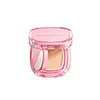 Key Ingredients
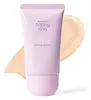
Benefits
Concerns
Ingredients Side-by-side
Water
Skin ConditioningCI 77891
Cosmetic ColorantCyclopentasiloxane
Emollient
Trimethylsiloxysilicate
Emollient
Dimethicone
Emollient
Methyl Trimethicone
Skin Conditioning
Hexyldecyl Myristoyl Methylaminopropionate
EmollientButylene Glycol
Humectant

CI 77492
Cosmetic ColorantGlycerin
Humectant
Acrylates/Stearyl Acrylate/Dimethicone Methacrylate Copolymer
CI 77491
Cosmetic ColorantMagnesium Sulfate
Disteardimonium Hectorite
StabilisingAluminum Hydroxide
EmollientTriethoxycaprylylsilane
Synthetic Fluorphlogopite
1,2-Hexanediol
Skin Conditioning
CI 77499
Cosmetic ColorantCaprylyl Glycol
Emollient
Dimethicone Crosspolymer
Emulsion Stabilising
Glyceryl Caprylate
EmollientTrihydroxystearin
Skin Conditioning

Palmitic Acid
Emollient
Ethylhexylglycerin
Skin ConditioningSorbitan Sesquioleate
Emulsifying

Tocopherol
Antioxidant





Pentaerythrityl Tetra-Di-T-Butyl Hydroxyhydrocinnamate
Antioxidant
Panthenol
Skin Conditioning
Fragaria Vesca Fruit Extract
AstringentMorus Alba Root Extract
BleachingRubus Idaeus Fruit Extract
AstringentVaccinium Angustifolium Fruit Extract
Skin Protecting
Prunus Persica Fruit Extract
Abrasive
Titanium Dioxide
Cosmetic Colorant

Zinc Oxide
Cosmetic Colorant
Homosalate
Skin Conditioning
Hydrolyzed Hyaluronic Acid
Humectant
Hydrogenated Lecithin
Emulsifying
Dipropylene Glycol
HumectantPentylene Glycol
Skin Conditioning
Glyceryl Stearate
Emollient
Sucrose Distearate
Emollient
Water, CI 77891, Cyclopentasiloxane, Trimethylsiloxysilicate, Dimethicone, Methyl Trimethicone, Hexyldecyl Myristoyl Methylaminopropionate, Butylene Glycol, CI 77492, Glycerin, Acrylates/Stearyl Acrylate/Dimethicone Methacrylate Copolymer, CI 77491, Magnesium Sulfate, Disteardimonium Hectorite, Aluminum Hydroxide, Triethoxycaprylylsilane, Synthetic Fluorphlogopite, 1,2-Hexanediol, CI 77499, Caprylyl Glycol, Dimethicone Crosspolymer, Glyceryl Caprylate, Trihydroxystearin, Palmitic Acid, Ethylhexylglycerin, Sorbitan Sesquioleate, Tocopherol, Pentaerythrityl Tetra-Di-T-Butyl Hydroxyhydrocinnamate, Panthenol, Fragaria Vesca Fruit Extract, Morus Alba Root Extract, Rubus Idaeus Fruit Extract, Vaccinium Angustifolium Fruit Extract, Prunus Persica Fruit Extract, Titanium Dioxide, Zinc Oxide, Homosalate, Hydrolyzed Hyaluronic Acid, Hydrogenated Lecithin, Dipropylene Glycol, Pentylene Glycol, Glyceryl Stearate, Sucrose Distearate
Water
Skin ConditioningIsohexadecane
EmollientIsononyl Isononanoate
EmollientCaprylic/Capric Triglyceride
Masking
Isododecane
EmollientDimethicone
Emollient
Glyceryl Stearate
Emollient
Glycerin
Humectant
Copernicia Cerifera Wax
Silica
Abrasive
Phenoxyethanol
Preservative
Potassium Cetyl Phosphate
EmulsifyingTocopheryl Acetate
Antioxidant
Hyaluronic Acid
Humectant
Helianthus Annuus Seed Oil
Emollient
Ascorbic Acid
Antioxidant

Caryodendron Orinocense Seed Oil
Emollient
CI 77492
Cosmetic ColorantCI 77491
Cosmetic ColorantCI 77499
Cosmetic ColorantWater, Isohexadecane, Isononyl Isononanoate, Caprylic/Capric Triglyceride, Isododecane, Dimethicone, Glyceryl Stearate, Glycerin, Copernicia Cerifera Wax, Silica, Phenoxyethanol, Potassium Cetyl Phosphate, Tocopheryl Acetate, Hyaluronic Acid, Helianthus Annuus Seed Oil, Ascorbic Acid, Caryodendron Orinocense Seed Oil, CI 77492, CI 77491, CI 77499
Reviews
Ingredients Explained
These ingredients are found in both products.
Ingredients higher up in an ingredient list are typically present in a larger amount.
Ci 77491 is also hydrated iron III oxide. It's sole purpose is to give a red/pink hue to products.
Iron III oxides are classified as inorganic chemicals for coloring.
Synthetically created Ci 77491 is considered safer than those naturally found. This is because the synthetically created version may contain less impurities. Iron oxides are generally non-toxic and non-allergenic.
Learn more about CI 77491CI 77492 is also hydrated iron III oxide. It's sole purpose is to give a yellow hue to products.
Iron III oxides are classified as inorganic chemicals for coloring.
Synthetically created CI 77492 is considered safer than those naturally found. This is because the synthetically created version may contain less impurities. Iron oxides are generally non-toxic and non-allergenic.
Learn more about CI 77492Ci 77499 is also hydrated iron III oxide. It is created from mixing red and black iron oxides. This helps give shades of darkness to a product.
Iron III oxides are classified as inorganic chemicals for coloring.
Dimethicone is a type of synthetic silicone created from natural materials such as quartz. It is also known as polydimethylsiloxane.
What it does:
Dimethicone comes in different viscosities:
Depending on the viscosity, dimethicone has different properties.
Ingredients lists don't always show which type is used, so we recommend reaching out to the brand if you have questions about the viscosity.
This ingredient is unlikely to cause irritation because it does not get absorbed into skin. However, people with silicone allergies should be careful about using this ingredient.
Note: Dimethicone may contribute to pilling. This is because it is not oil or water soluble, so pilling may occur when layered with products. When mixed with heavy oils in a formula, the outcome is also quite greasy.
Learn more about DimethiconeGlycerin (or glycerol) is a compound naturally found in your skin. It's a powerhouse humectant that pulls water into the stratum corneum.
Topically, glycerin does several things at once:
Your skin makes glycerin on its own (mostly from sebaceous oil breakdown) and shuttles it to your outermost layer of skin, or your epidermis, via aquaporin-3.
Aquaporin-3 is a transporter that is essential for normal skin hydration, elasticity, and repair. Interestingly, mice lacking in AQP3 have dry and less elastic skin that can be fully corrected with glycerin.
This ingredient is non-irritating, plays well with almost every ingredient, and works across all skin types. Typical use is anywhere between 3-10% but can go up to 79% in some leave-on products.
Just know very high concentrations (>40%) can feel tacky in low humidity.
Glycerin is the name for this ingredient in American English. British English uses Glycerol/Glycerine.
Learn more about GlycerinGlyceryl Stearate is made by reacting glycerin with stearic acid (typically sourced from plant oils like palm or coconut). It's an emulsifier, emollient, and mild occlusive.
Emulsifiers help ingredients like oil and water stay mixed so your formula stays nicely blended and uniform in texture.
This ingredient is typically used in concentrations between 1-10%. Studies have found it to be non-sensitizing, non-phototoxic, and non-photoallergenic.
A close cousin of this ingredient is Glyceryl Stearate SE ("self-emulsifying"). This just has a small amount of sodium or potassium stearate added so it can emulsify without a co-emulsifier.
Since this ingredient is an ester of a C18 fatty acid, it may not be fungal acne safe. The Malassezia yeast can potentially metabolize within the C11-C24 range.
Fun fact: The human body also creates Glyceryl Stearate naturally.
Learn more about Glyceryl StearateWater. It's the most common cosmetic ingredient of all. You'll usually see it at the top of ingredient lists, meaning that it makes up the largest part of the product.
So why is it so popular? Water most often acts as a solvent - this means that it helps dissolve other ingredients into the formulation.
You'll also recognize water as that liquid we all need to stay alive. If you see this, drink a glass of water. Remember to stay hydrated!
Learn more about Water

