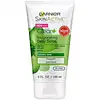
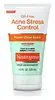
Garnier Skinactive Clean+ Invigorating Daily Scrub Versus Neutrogena Oil-Free Acne Stress Control Power-Clear Scrub
This smoothing exfoliator is formulated around Salicylic Acid to refine skin texture and balance excess oil.
This acne exfoliator is formulated around Salicylic Acid and Glycolic Acid to clear breakouts and refine skin texture.


What's inside
What's inside
 Key Ingredients
Benefits
Concerns
Ingredients Side-by-side
Water
Skin ConditioningButylene Glycol
Humectant

Tea-Lauryl Sulfate
Cleansing
Polyethylene
Abrasive

Sodium Lauroyl Oat Amino Acids
CleansingCoco-Glucoside
Cleansing
Vitis Vinifera Fruit Extract
Skin ConditioningCitrus Grandis Fruit Extract
Astringent
Jojoba Esters
Emollient

Mentha Piperita Oil
Masking




Mentha Piperita Leaf Extract
Skin ConditioningPanthenol
Skin Conditioning


Salicylic Acid
Masking






Tocopherol
Antioxidant



Tocopheryl Acetate
Antioxidant
Acrylates/C10-30 Alkyl Acrylate Crosspolymer
Emulsion StabilisingAcrylates/Steareth-20 Methacrylate Copolymer
Alcohol
Antimicrobial
Benzophenone-4
UV Absorber
Decyl Glucoside
Cleansing
Disodium EDTA
ChelatingHydroxystearic Acid
Cleansing
Menthol
Masking
PEG-8
HumectantSodium Lauryl Sulfate
Cleansing
Trideceth-6
EmulsifyingTriethanolamine
BufferingDMDM Hydantoin
Preservative
Methylparaben
Preservative

Phenoxyethanol
Preservative
Sodium Methylparaben
Preservative
CI 42090
Cosmetic ColorantCI 47005
Cosmetic ColorantCI 77289
Cosmetic ColorantParfum
Masking
Benzyl Salicylate
Perfuming
Limonene
Perfuming
Linalool
Perfuming
Water, Butylene Glycol, Tea-Lauryl Sulfate, Polyethylene, Sodium Lauroyl Oat Amino Acids, Coco-Glucoside, Vitis Vinifera Fruit Extract, Citrus Grandis Fruit Extract, Jojoba Esters, Mentha Piperita Oil, Mentha Piperita Leaf Extract, Panthenol, Salicylic Acid, Tocopherol, Tocopheryl Acetate, Acrylates/C10-30 Alkyl Acrylate Crosspolymer, Acrylates/Steareth-20 Methacrylate Copolymer, Alcohol, Benzophenone-4, Decyl Glucoside, Disodium EDTA, Hydroxystearic Acid, Menthol, PEG-8, Sodium Lauryl Sulfate, Trideceth-6, Triethanolamine, DMDM Hydantoin, Methylparaben, Phenoxyethanol, Sodium Methylparaben, CI 42090, CI 47005, CI 77289, Parfum, Benzyl Salicylate, Limonene, Linalool
Salicylic Acid 2%
Masking
Water
Skin ConditioningCetyl Alcohol
Emollient
PPG-15 Stearyl Ether
EmollientMicrocrystalline Cellulose
AbsorbentGlycolic Acid
Buffering
Glycerin
Humectant
Polysorbate 60
Emulsifying
Steareth-21
CleansingC12-15 Alkyl Lactate
EmollientCetyl Lactate
EmollientPotassium Cetyl Phosphate
EmulsifyingMicrocrystalline Wax
Emulsion StabilisingSodium Hydroxide
BufferingXanthan Gum
EmulsifyingCocamidopropyl Pg-Dimonium Chloride Phosphate
Parfum
Masking
Disodium EDTA
ChelatingMenthol
Masking
Benzalkonium Chloride
Antimicrobial
Camellia Sinensis Leaf Extract
Antimicrobial
Sodium Benzotriazolyl Butylphenol Sulfonate
UV AbsorberButylene Glycol
Humectant
Cucumis Sativus Fruit Extract
Emollient
Chromium Hydroxide Green
CI 19140
Cosmetic ColorantBlue 1 Lake
Cosmetic ColorantSalicylic Acid 2%, Water, Cetyl Alcohol, PPG-15 Stearyl Ether, Microcrystalline Cellulose, Glycolic Acid, Glycerin, Polysorbate 60, Steareth-21, C12-15 Alkyl Lactate, Cetyl Lactate, Potassium Cetyl Phosphate, Microcrystalline Wax, Sodium Hydroxide, Xanthan Gum, Cocamidopropyl Pg-Dimonium Chloride Phosphate, Parfum, Disodium EDTA, Menthol, Benzalkonium Chloride, Camellia Sinensis Leaf Extract, Sodium Benzotriazolyl Butylphenol Sulfonate, Butylene Glycol, Cucumis Sativus Fruit Extract, Chromium Hydroxide Green, CI 19140, Blue 1 Lake
Alternatives
Ingredients Explained
These ingredients are found in both products.
Ingredients higher up in an ingredient list are typically present in a larger amount.
Butylene Glycol (or BG) is used within cosmetic products for a few different reasons:
Overall, Butylene Glycol is a safe and well-rounded ingredient that works well with other ingredients.
Though this ingredient works well with most skin types, some people with sensitive skin may experience a reaction such as allergic rashes, closed comedones, or itchiness.
Learn more about Butylene GlycolDisodium EDTA is a chelating agent. It grabs onto and deactivates metal ions that sneak into your products from water, packaging, or air.
This ingredient mainly works behind the scenes and helps with:
On top of that, this ingredient can counteract the effects of hard water by binding to the minerals in it.
One thing worth knowing is that Disodium EDTA has been shown to be a mild penetration enhancer. It can help other ingredients absorb into skin more effectively which can be a double-edged sword (great for actives, but can also make the active too strong if you have sensitive skin).
Clinical patch testing showed no significant skin irritation at typical use concentrations and minimal dermal absorption.
You'll most likely see this ingredient near the end of an ingredient list. It's typically found in concentrations less than 1%.
Learn more about Disodium EDTAMenthol is a compound found in mint plants, such as peppermint. In its pure form, it is a clear crystalline substance.
Menthol is known for its cooling sensation; however, the cooling is actually from your skin being sensitized. Menthol can worsen rosacea. We recommend speaking with a professional if you have concerns.
Menthol also has antimicrobial properties.
Learn more about MentholParfum is a catch-all term for an ingredient or more that is used to give a scent to products.
Also called "fragrance", this ingredient can be a blend of hundreds of chemicals or plant oils. This means every product with "fragrance" or "parfum" in the ingredients list is a different mixture.
For instance, Habanolide is a proprietary trade name for a specific aroma chemical. When used as a fragrance ingredient in cosmetics, most aroma chemicals fall under the broad labeling category of “FRAGRANCE” or “PARFUM” according to EU and US regulations.
The term 'parfum' or 'fragrance' is not regulated in many countries. In many cases, it is up to the brand to define this term.
For instance, many brands choose to label themselves as "fragrance-free" because they are not using synthetic fragrances. However, their products may still contain ingredients such as essential oils that are considered a fragrance by INCI standards.
One example is Calendula flower extract. Calendula is an essential oil that still imparts a scent or 'fragrance'.
Depending on the blend, the ingredients in the mixture can cause allergies and sensitivities on the skin. Some ingredients that are known EU allergens include linalool and citronellol.
Parfum can also be used to mask or cover an unpleasant scent.
The bottom line is: not all fragrances/parfum/ingredients are created equally. If you are worried about fragrances, we recommend taking a closer look at an ingredient. And of course, we always recommend speaking with a professional.
Learn more about ParfumSalicylic Acid (also known as beta hydroxy acid or BHA) is a well-known ingredient for treating skin that struggles with acne and clogged pores. It exfoliates both the skin's surface and deep within the pores to help clear out buildup, control oil, and reduce inflammation.
Unlike AHAs (alpha hydroxy acids), salicylic acid is oil-soluble. This allows it to penetrate into pores which makes it especially effective for treating blackheads and preventing future breakouts.
Salicylic acid is also known for its soothing properties. It has a similar structure to aspirin and can calm inflamed or irritated skin, making it a good option for acne-prone skin that is also sensitive.
Concentrations of 0.5-2% are recognized by the U.S. FDA as an over-the-counter topical acne product.
It can cause irritation and/or dryness if one's skin already has a compromised moisture barrier, so it's best to focus on repairing that before introducing this ingredient into your routine.
While salicylic acid does not increase sun sensitivity, it’s still important to wear sunscreen daily to protect your skin.
If you are looking for the ingredient called BHA or Butylated Hydroxyanisole, click here.
Learn more about Salicylic AcidWater. It's the most common cosmetic ingredient of all. You'll usually see it at the top of ingredient lists, meaning that it makes up the largest part of the product.
So why is it so popular? Water most often acts as a solvent - this means that it helps dissolve other ingredients into the formulation.
You'll also recognize water as that liquid we all need to stay alive. If you see this, drink a glass of water. Remember to stay hydrated!
Learn more about Water

