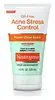
This acne exfoliator is formulated around Salicylic Acid and Glycolic Acid to clear breakouts and refine skin texture.
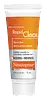
This acne treatment is formulated around Salicylic Acid to clear breakouts and refine the look of pores.

What's inside
What's inside
 Key Ingredients
Benefits
Concerns
Ingredients Side-by-side
Salicylic Acid 2%
Masking










Water
Skin ConditioningCetyl Alcohol
Emollient


PPG-15 Stearyl Ether
EmollientMicrocrystalline Cellulose
AbsorbentGlycolic Acid
Buffering




Glycerin
Humectant

Polysorbate 60
Emulsifying
Steareth-21
CleansingC12-15 Alkyl Lactate
EmollientCetyl Lactate
EmollientPotassium Cetyl Phosphate
EmulsifyingMicrocrystalline Wax
Emulsion StabilisingSodium Hydroxide
BufferingXanthan Gum
EmulsifyingCocamidopropyl Pg-Dimonium Chloride Phosphate
Parfum
Masking

Disodium EDTA
ChelatingMenthol
Masking
Benzalkonium Chloride
Antimicrobial
Camellia Sinensis Leaf Extract
Antimicrobial


Sodium Benzotriazolyl Butylphenol Sulfonate
UV AbsorberButylene Glycol
Humectant
Cucumis Sativus Fruit Extract
Emollient
Chromium Hydroxide Green
CI 19140
Cosmetic ColorantBlue 1 Lake
Cosmetic ColorantSalicylic Acid 2%, Water, Cetyl Alcohol, PPG-15 Stearyl Ether, Microcrystalline Cellulose, Glycolic Acid, Glycerin, Polysorbate 60, Steareth-21, C12-15 Alkyl Lactate, Cetyl Lactate, Potassium Cetyl Phosphate, Microcrystalline Wax, Sodium Hydroxide, Xanthan Gum, Cocamidopropyl Pg-Dimonium Chloride Phosphate, Parfum, Disodium EDTA, Menthol, Benzalkonium Chloride, Camellia Sinensis Leaf Extract, Sodium Benzotriazolyl Butylphenol Sulfonate, Butylene Glycol, Cucumis Sativus Fruit Extract, Chromium Hydroxide Green, CI 19140, Blue 1 Lake
Salicylic Acid 2%
Masking
Alcohol
Antimicrobial
Alcohol Denat.
Antimicrobial
Ammonia
Buffering
Benzalkonium Chloride
Antimicrobial
Butylene Glycol
Humectant
C12-15 Alkyl Lactate
EmollientC13-14 Isoparaffin
Emollient
Capryloyl Glycine
CleansingCedrus Atlantica Bark Extract
Perfuming
Cetyl Lactate
EmollientCinnamomum Zeylanicum Bark Extract
Antimicrobial
Cocamidopropyl Pg-Dimonium Chloride Phosphate
Cyclopentasiloxane
Emollient
Dehydroxanthan Gum
Emulsion StabilisingGlycerin
Humectant
Hamamelis Virginiana Water
Astringent
Laureth-7
EmulsifyingParfum
Masking
Phenethyl Dimethicone
Emollient
Phenoxyethanol
Preservative
Polyacrylamide
Polysorbate 20
Emulsifying
Portulaca Oleracea Extract
Skin Conditioning
PPG-2 Isoceteth-20 Acetate
EmulsifyingPropylene Glycol
Humectant
Sarcosine
Skin Conditioning
Tetrasodium EDTA
ChelatingWater
Skin ConditioningSalicylic Acid 2%, Alcohol, Alcohol Denat., Ammonia, Benzalkonium Chloride, Butylene Glycol, C12-15 Alkyl Lactate, C13-14 Isoparaffin, Capryloyl Glycine, Cedrus Atlantica Bark Extract, Cetyl Lactate, Cinnamomum Zeylanicum Bark Extract, Cocamidopropyl Pg-Dimonium Chloride Phosphate, Cyclopentasiloxane, Dehydroxanthan Gum, Glycerin, Hamamelis Virginiana Water, Laureth-7, Parfum, Phenethyl Dimethicone, Phenoxyethanol, Polyacrylamide, Polysorbate 20, Portulaca Oleracea Extract, PPG-2 Isoceteth-20 Acetate, Propylene Glycol, Sarcosine, Tetrasodium EDTA, Water
Reviews
Ingredients Explained
These ingredients are found in both products.
Ingredients higher up in an ingredient list are typically present in a larger amount.
Benzalkonium Chloride (aka BAC) is a preservative that has been around since the 1930's. It is also a surfactant that gives it mild cleansing and antistatic properties.
BAC works because it carries a positive electrical charge that attract the negative charge of microbe cells (like a magnet). Once BAC sticks to a microbe, it breaks the microbe cell's outer wall and scrambles its proteins to kill it.
The maximum usage percentage for this ingredient is 0.1% in both the EU and Chinese cosmetic regulations.
The CIR Expert Panel has concluded it to be a safe antimicrobial agent in concentrations up to 0.1% and it is permitted up to 3% in rinse off hair products.
BAC can be irritating at higher concentrations but a true allergy to it is pretty rare. Be sure to patch test if you have a damaged skin barrier or just sensitive skin.
Because it's a cation, it is incompatible with anionic surfactants like SLS (they neutralize each other).
Learn more about Benzalkonium ChlorideButylene Glycol (or BG) is used within cosmetic products for a few different reasons:
Overall, Butylene Glycol is a safe and well-rounded ingredient that works well with other ingredients.
Though this ingredient works well with most skin types, some people with sensitive skin may experience a reaction such as allergic rashes, closed comedones, or itchiness.
Learn more about Butylene GlycolWe don't have a description for C12-15 Alkyl Lactate yet.
Cetyl Lactate is an emollient and texture enhancer. It gives a silky smooth feel to hair and skin.
We don't have a description for Cocamidopropyl Pg-Dimonium Chloride Phosphate yet.
Glycerin (or glycerol) is a compound naturally found in your skin. It's a powerhouse humectant that pulls water into the stratum corneum.
Topically, glycerin does several things at once:
Your skin makes glycerin on its own (mostly from sebaceous oil breakdown) and shuttles it to your outermost layer of skin, or your epidermis, via aquaporin-3.
Aquaporin-3 is a transporter that is essential for normal skin hydration, elasticity, and repair. Interestingly, mice lacking in AQP3 have dry and less elastic skin that can be fully corrected with glycerin.
This ingredient is non-irritating, plays well with almost every ingredient, and works across all skin types. Typical use is anywhere between 3-10% but can go up to 79% in some leave-on products.
Just know very high concentrations (>40%) can feel tacky in low humidity.
Glycerin is the name for this ingredient in American English. British English uses Glycerol/Glycerine.
Learn more about GlycerinParfum is a catch-all term for an ingredient or more that is used to give a scent to products.
Also called "fragrance", this ingredient can be a blend of hundreds of chemicals or plant oils. This means every product with "fragrance" or "parfum" in the ingredients list is a different mixture.
For instance, Habanolide is a proprietary trade name for a specific aroma chemical. When used as a fragrance ingredient in cosmetics, most aroma chemicals fall under the broad labeling category of “FRAGRANCE” or “PARFUM” according to EU and US regulations.
The term 'parfum' or 'fragrance' is not regulated in many countries. In many cases, it is up to the brand to define this term.
For instance, many brands choose to label themselves as "fragrance-free" because they are not using synthetic fragrances. However, their products may still contain ingredients such as essential oils that are considered a fragrance by INCI standards.
One example is Calendula flower extract. Calendula is an essential oil that still imparts a scent or 'fragrance'.
Depending on the blend, the ingredients in the mixture can cause allergies and sensitivities on the skin. Some ingredients that are known EU allergens include linalool and citronellol.
Parfum can also be used to mask or cover an unpleasant scent.
The bottom line is: not all fragrances/parfum/ingredients are created equally. If you are worried about fragrances, we recommend taking a closer look at an ingredient. And of course, we always recommend speaking with a professional.
Learn more about ParfumSalicylic Acid (also known as beta hydroxy acid or BHA) is a well-known ingredient for treating skin that struggles with acne and clogged pores. It exfoliates both the skin's surface and deep within the pores to help clear out buildup, control oil, and reduce inflammation.
Unlike AHAs (alpha hydroxy acids), salicylic acid is oil-soluble. This allows it to penetrate into pores which makes it especially effective for treating blackheads and preventing future breakouts.
Salicylic acid is also known for its soothing properties. It has a similar structure to aspirin and can calm inflamed or irritated skin, making it a good option for acne-prone skin that is also sensitive.
Concentrations of 0.5-2% are recognized by the U.S. FDA as an over-the-counter topical acne product.
It can cause irritation and/or dryness if one's skin already has a compromised moisture barrier, so it's best to focus on repairing that before introducing this ingredient into your routine.
While salicylic acid does not increase sun sensitivity, it’s still important to wear sunscreen daily to protect your skin.
If you are looking for the ingredient called BHA or Butylated Hydroxyanisole, click here.
Learn more about Salicylic AcidWater. It's the most common cosmetic ingredient of all. You'll usually see it at the top of ingredient lists, meaning that it makes up the largest part of the product.
So why is it so popular? Water most often acts as a solvent - this means that it helps dissolve other ingredients into the formulation.
You'll also recognize water as that liquid we all need to stay alive. If you see this, drink a glass of water. Remember to stay hydrated!
Learn more about Water

