
What's inside
What's inside
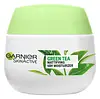 Key Ingredients
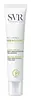
Benefits
Concerns
Ingredients Side-by-side
Alcohol Denat.
Antimicrobial




Benzyl Alcohol
Perfuming


Benzyl Salicylate
Perfuming
Camellia Sinensis Leaf Extract
Antimicrobial







Caprylyl Glycol
Emollient
Sodium Carbomer
Emulsion StabilisingDicaprylyl Ether
Emollient
Geraniol
Perfuming
Glycerin
Humectant

Glycine Soja Oil
Emollient




Limonene
Perfuming
Linalool
Perfuming
Maltodextrin
Absorbent
Parfum
Masking
Polyglyceryl-3 Methylglucose Distearate
Emulsifying
Salicylic Acid
Masking


Sodium Phytate
Stearyl Alcohol
Emollient
Tocopherol
Antioxidant
Xanthan Gum
EmulsifyingAlcohol Denat., Benzyl Alcohol, Benzyl Salicylate, Camellia Sinensis Leaf Extract, Caprylyl Glycol, Sodium Carbomer, Dicaprylyl Ether, Geraniol, Glycerin, Glycine Soja Oil, Limonene, Linalool, Maltodextrin, Parfum, Polyglyceryl-3 Methylglucose Distearate, Salicylic Acid, Sodium Phytate, Stearyl Alcohol, Tocopherol, Xanthan Gum
Water
Skin ConditioningSilica
Abrasive
Propanediol
Solvent
Gluconolactone
Skin Conditioning
Niacinamide
Smoothing
Undecane
EmollientOrbignya Oleifera Seed Oil
Emollient
Glyceryl Stearate
Emollient
Tridecane
Perfuming
Ammonium Acryloyldimethyltaurate/Vp Copolymer
Pentylene Glycol
Skin Conditioning
Sodium Hydroxide
BufferingCetearyl Alcohol
Emollient
Hydroxyethyl Acrylate/Sodium Acryloyldimethyl Taurate Copolymer
Emulsion StabilisingSalicylic Acid
Masking
Butylene Glycol
Humectant
Saccharide Isomerate
Humectant
Sodium Stearoyl Lactylate
Emulsifying1,2-Hexanediol
Skin Conditioning
Caprylyl Glycol
Emollient
Parfum
Masking
Polysorbate 60
Emulsifying
Sorbitan Isostearate
Emulsifying
Xanthan Gum
EmulsifyingCitric Acid
Buffering
Sarcosine
Skin Conditioning
Sodium Citrate
BufferingTocopherol
Antioxidant
Water, Silica, Propanediol, Gluconolactone, Niacinamide, Undecane, Orbignya Oleifera Seed Oil, Glyceryl Stearate, Tridecane, Ammonium Acryloyldimethyltaurate/Vp Copolymer, Pentylene Glycol, Sodium Hydroxide, Cetearyl Alcohol, Hydroxyethyl Acrylate/Sodium Acryloyldimethyl Taurate Copolymer, Salicylic Acid, Butylene Glycol, Saccharide Isomerate, Sodium Stearoyl Lactylate, 1,2-Hexanediol, Caprylyl Glycol, Parfum, Polysorbate 60, Sorbitan Isostearate, Xanthan Gum, Citric Acid, Sarcosine, Sodium Citrate, Tocopherol
Reviews
Ingredients Explained
These ingredients are found in both products.
Ingredients higher up in an ingredient list are typically present in a larger amount.
Caprylyl Glycol is a humectant, skin conditioner, emollient, and preservative booster derived from either caprylic acid or synthetically created.
Typical use levels vary from 0.3-1% as a preservative booster and go up to 2% to condition skin.
Because it is not a free-fatty acid or alcohol, this ingredient is fungal acne safe (there's nothing for Malassezia to feed on).
Learn more about Caprylyl GlycolParfum is a catch-all term for an ingredient or more that is used to give a scent to products.
Also called "fragrance", this ingredient can be a blend of hundreds of chemicals or plant oils. This means every product with "fragrance" or "parfum" in the ingredients list is a different mixture.
For instance, Habanolide is a proprietary trade name for a specific aroma chemical. When used as a fragrance ingredient in cosmetics, most aroma chemicals fall under the broad labeling category of “FRAGRANCE” or “PARFUM” according to EU and US regulations.
The term 'parfum' or 'fragrance' is not regulated in many countries. In many cases, it is up to the brand to define this term.
For instance, many brands choose to label themselves as "fragrance-free" because they are not using synthetic fragrances. However, their products may still contain ingredients such as essential oils that are considered a fragrance by INCI standards.
One example is Calendula flower extract. Calendula is an essential oil that still imparts a scent or 'fragrance'.
Depending on the blend, the ingredients in the mixture can cause allergies and sensitivities on the skin. Some ingredients that are known EU allergens include linalool and citronellol.
Parfum can also be used to mask or cover an unpleasant scent.
The bottom line is: not all fragrances/parfum/ingredients are created equally. If you are worried about fragrances, we recommend taking a closer look at an ingredient. And of course, we always recommend speaking with a professional.
Learn more about ParfumSalicylic Acid (also known as beta hydroxy acid or BHA) is a well-known ingredient for treating skin that struggles with acne and clogged pores. It exfoliates both the skin's surface and deep within the pores to help clear out buildup, control oil, and reduce inflammation.
Unlike AHAs (alpha hydroxy acids), salicylic acid is oil-soluble. This allows it to penetrate into pores which makes it especially effective for treating blackheads and preventing future breakouts.
Salicylic acid is also known for its soothing properties. It has a similar structure to aspirin and can calm inflamed or irritated skin, making it a good option for acne-prone skin that is also sensitive.
Concentrations of 0.5-2% are recognized by the U.S. FDA as an over-the-counter topical acne product.
It can cause irritation and/or dryness if one's skin already has a compromised moisture barrier, so it's best to focus on repairing that before introducing this ingredient into your routine.
While salicylic acid does not increase sun sensitivity, it’s still important to wear sunscreen daily to protect your skin.
If you are looking for the ingredient called BHA or Butylated Hydroxyanisole, click here.
Learn more about Salicylic AcidTocopherol is a fat-soluble antioxidant known as Vitamin E.
You'll find this ingredient in the vast majority of skincare (for good reason). It works to neutralize free radicals, or unstable molecules generated by UV exposure, pollution, and other environmental stressors, before they can cause oxidative damage to your skin cells.
Topically applied tocopherol has been shown to protect against UV damage by ramping up the skin's own natural defense enzymes.
It also acts as a skin conditioning agent; some studies show that regular topical use can improve the skin's water-binding capacity over 2-4 weeks.
This ingredient is especially loved for being a team player. When combined with Vitamin C, the photoprotective effect of both ingredients roughly doubles and the combo also helps reduce UV-induced DNA damage.
This ingredient has some brightening potential but it's more of a prevention ingredient than spot-fader. Cell studies show it can slow down melanin production but it's worth noting that it's not the most powerful brightener out there.
In formulations, it also serves as a stabilizer that helps protect other oxidation-prone ingredients from degrading.
Concentrations usually range from 0.1-1% in most leave-on products.
Learn more about TocopherolXanthan gum is used as a stabilizer and thickener within cosmetic products. It helps give products a sticky, thick feeling - preventing them from being too runny.
On the technical side of things, xanthan gum is a polysaccharide - a combination consisting of multiple sugar molecules bonded together.
Xanthan gum is a pretty common and great ingredient. It is a natural, non-toxic, non-irritating ingredient that is also commonly used in food products.
Learn more about Xanthan Gum
