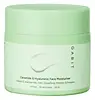
This barrier-repair moisturizer is formulated around Niacinamide and Bifida Ferment Lysate to strengthen the skin barrier and hydrate skin.
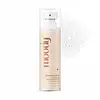
This mild micellar makeup remover is made to dissolve makeup, sunscreen, and daily buildup.

What's inside
What's inside
 Key Ingredients
Benefits
Concerns
Ingredients Side-by-side
Water
Skin ConditioningPropylheptyl Caprylate
EmollientGlycerin
Humectant


Polyacrylate Crosspolymer-11
Emulsion StabilisingNiacinamide
Smoothing









Propanediol
Solvent
Pentylene Glycol
Skin Conditioning
C15-19 Alkane
SolventDiheptyl Succinate
EmollientCapryloyl Glycerin/Sebacic Acid Copolymer
Skin ConditioningBifida Ferment Lysate
Skin Conditioning
Inulin
Skin Conditioning
Erythritol
Humectant
C12-15 Alkyl Lactate
EmollientGluconolactone
Chelating
Sodium Benzoate
Masking
Trehalose
Humectant
Betaine
Humectant
Acetyl Glucosamine
Skin Conditioning
Ceramide NP
Skin Conditioning
Ceramide AP
Skin Conditioning
Glycosphingolipids
EmollientHydrogenated Lecithin
Emulsifying
Tetraacetylphytosphingosine
Skin ConditioningCholesterol
Emollient
Stearic Acid
Cleansing


Xanthan Gum
EmulsifyingCaprylic/Capric Triglyceride
Masking
Glyceryl Stearate
Emollient
Cetearyl Alcohol
Emollient


1,2-Hexanediol
Skin Conditioning
Phytosteryl/Octyldodecyl Lauroyl Glutamate
Skin ConditioningBeta-Glucan
Skin Conditioning
Caprylyl Glycol
Emollient
Avena Sativa Kernel Extract
Abrasive

Tocopheryl Acetate
Antioxidant
Sodium Gluconate
ChelatingPolyacrylate Crosspolymer-6
Emulsion StabilisingSodium Hyaluronate
Humectant
3-O-Ethyl Ascorbic Acid
Skin Conditioning
Sodium Hydroxide
BufferingWater, Propylheptyl Caprylate, Glycerin, Polyacrylate Crosspolymer-11, Niacinamide, Propanediol, Pentylene Glycol, C15-19 Alkane, Diheptyl Succinate, Capryloyl Glycerin/Sebacic Acid Copolymer, Bifida Ferment Lysate, Inulin, Erythritol, C12-15 Alkyl Lactate, Gluconolactone, Sodium Benzoate, Trehalose, Betaine, Acetyl Glucosamine, Ceramide NP, Ceramide AP, Glycosphingolipids, Hydrogenated Lecithin, Tetraacetylphytosphingosine, Cholesterol, Stearic Acid, Xanthan Gum, Caprylic/Capric Triglyceride, Glyceryl Stearate, Cetearyl Alcohol, 1,2-Hexanediol, Phytosteryl/Octyldodecyl Lauroyl Glutamate, Beta-Glucan, Caprylyl Glycol, Avena Sativa Kernel Extract, Tocopheryl Acetate, Sodium Gluconate, Polyacrylate Crosspolymer-6, Sodium Hyaluronate, 3-O-Ethyl Ascorbic Acid, Sodium Hydroxide
Ingredients Explained
These ingredients are found in both products.
Ingredients higher up in an ingredient list are typically present in a larger amount.
Pentylene Glycol (1,2-pentanediol) is a multitasking little diol with three main roles in a formula:
Research on alkanediols (the family pentylene glycol belongs to) show they work by disrupting microbial cell membranes. This disruption helps the primary preservative system in a product work more effectively at lower doses.
On the safety side, the Cosmetic Ingredient Review Expert Panel has concluded this ingredient to be safe as used in current cosmetic practices + concentrations.
Typical use levels in a formula run about 1-5%.
Learn more about Pentylene GlycolPropanediol is an all-star ingredient. It softens, hydrates, and smooths the skin.
It’s often used to:
Propanediol is not likely to cause sensitivity and considered safe to use. It is derived from corn or petroleum with a clear color and no scent.
Learn more about PropanediolSodium Gluconate is the sodium salt of gluconic acid. In skincare, its main job is as a chelator.
Chelators grab onto stray metal ions like iron and copper that sneak in through water, raw materials, or manufacturing equipment. This stops them from triggering reactions that cause oils to go rancid, formulas to change color, and actives like vitamin C to fall apart.
This ingredient is often chosen as a biodegradable, gentler-sounding alternative to EDTA. It also pulls double duty as a mild humectant and pH buffer.
Typical use levels sit around 0.1-1% and supplier documents list up to 10% as an acceptable ceiling. Industry data found this ingredient family is mostly used well below 1% in leave on products.
Allergy risk is very low; animal testing has found it to be non-irritating to skin and eyes, mutagenicity assays came back negative, and there are no published reports of allergic contact dermatitis to it.
Learn more about Sodium GluconateTocopheryl Acetate is a stable, shelf-friendly form of vitamin E.
Formulators love it because plain vitamin E oxidizes quickly once it hits air. This acetate version stays stable and resists going off, helping to extend a product's shelf life.
It's actually inactive on its own and works like a slow-release "storage" form; the enzymes in your skin called esterases gradually convert it into active vitamin E over time.
One in vivo study showed 5% of the acetate in the living layer of the epidermis converted to vitamin E after 5 days of application. This study also found the skin gained protection against UV damage even though the conversion was slow and small.
Once converted, vitamin E acts as a skin's main fat-soluble antioxidant that fights free radicals to protect skin from damage.
Topical vitamin E generally boosts the skin's photoprotection, and it reduced UV-damage in animal models.
This ingredient has some brightening potential but it's more of a prevention ingredient than spot-fader. Cell studies show it can slow down melanin production but it's worth noting that it's not the most powerful brightener out there.
Overall, it has a pretty solid safety profile and has been found to be non-irritating and non-comedogenic. Allergic reactions may happen but stay rare due to how widely the ingredient gets used.
The concentration will vary depending on the formula; industry data shows 0.1% in baby lotions, 3% in lipsticks, and 5% in foot powders. You can also find this ingredient at 100% in a pure vitamin E oil.
Most leave-on skincare keeps it at the lower end, often between 0.5-1%.
Learn more about Tocopheryl AcetateWater. It's the most common cosmetic ingredient of all. You'll usually see it at the top of ingredient lists, meaning that it makes up the largest part of the product.
So why is it so popular? Water most often acts as a solvent - this means that it helps dissolve other ingredients into the formulation.
You'll also recognize water as that liquid we all need to stay alive. If you see this, drink a glass of water. Remember to stay hydrated!
Learn more about Water

