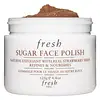
This exfoliator is formulated around Sucrose to hydrate.
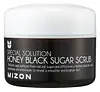
This hydrating exfoliator is formulated around Sucrose and Honey Extract to hydrate skin.


What's inside
What's inside
 Key Ingredients
Benefits
Concerns
Ingredients Side-by-side
Sucrose
Humectant
Propylene Glycol Dicaprylate/Dicaprate
EmollientPEG-7 Glyceryl Cocoate
Emulsifying




Stearalkonium Hectorite
Gel FormingFragaria Vesca Fruit Extract
AstringentEuphorbia Cerifera Wax
Mangifera Indica Seed Butter
Skin Conditioning
Propylene Carbonate
SolventParfum
Masking


Limonene
Perfuming
Limnanthes Alba Seed Oil
Skin Conditioning
Vitis Vinifera Seed Oil
Emollient
Prunus Domestica Seed Oil
Skin Conditioning
Fructose
Humectant
Glucose
Humectant
Tocopheryl Acetate
Antioxidant


Caramel
Cosmetic ColorantGlycerin
Humectant
Water
Skin ConditioningPotassium Sorbate
Preservative
BHT
Antioxidant
Citral
Perfuming
Sucrose, Propylene Glycol Dicaprylate/Dicaprate, PEG-7 Glyceryl Cocoate, Stearalkonium Hectorite, Fragaria Vesca Fruit Extract, Euphorbia Cerifera Wax, Mangifera Indica Seed Butter, Propylene Carbonate, Parfum, Limonene, Limnanthes Alba Seed Oil, Vitis Vinifera Seed Oil, Prunus Domestica Seed Oil, Fructose, Glucose, Tocopheryl Acetate, Caramel, Glycerin, Water, Potassium Sorbate, BHT, Citral
Caprylic/Capric Triglyceride
Masking
Black Strap Powder
HumectantPEG-7 Glyceryl Cocoate
Emulsifying
Sucrose
Humectant
Glycerin
Humectant
Cocos Nucifera Oil
Masking

Disteardimonium Hectorite
StabilisingButyrospermum Parkii Butter
Skin Conditioning
Euphorbia Cerifera Wax
Water
Skin ConditioningPolysorbate 20
Emulsifying
Polyacrylate-13
Dextrin
AbsorbentTheobroma Cacao Extract
Skin ConditioningPolyisobutene
Limnanthes Alba Seed Oil
Skin Conditioning
Mangifera Indica Seed Butter
Skin Conditioning
Helianthus Annuus Seed Oil
Emollient
Vitis Vinifera Seed Oil
Emollient
Ethylhexylglycerin
Skin ConditioningSorbitan Isostearate
Emulsifying
Vegetable Oil
Skin Conditioning
Butylene Glycol
Humectant
Honey Extract
Humectant
Citrus Limon Fruit Extract
Masking
Tocopherol
Antioxidant

Tbhq
Antioxidant
1,2-Hexanediol
Skin Conditioning
Camellia Sinensis Leaf Extract
Antimicrobial


Phenoxyethanol
Preservative
Parfum
Masking
Caprylic/Capric Triglyceride, Black Strap Powder, PEG-7 Glyceryl Cocoate, Sucrose, Glycerin, Cocos Nucifera Oil, Disteardimonium Hectorite, Butyrospermum Parkii Butter, Euphorbia Cerifera Wax, Water, Polysorbate 20, Polyacrylate-13, Dextrin, Theobroma Cacao Extract, Polyisobutene, Limnanthes Alba Seed Oil, Mangifera Indica Seed Butter, Helianthus Annuus Seed Oil, Vitis Vinifera Seed Oil, Ethylhexylglycerin, Sorbitan Isostearate, Vegetable Oil, Butylene Glycol, Honey Extract, Citrus Limon Fruit Extract, Tocopherol, Tbhq, 1,2-Hexanediol, Camellia Sinensis Leaf Extract, Phenoxyethanol, Parfum
Ingredients Explained
These ingredients are found in both products.
Ingredients higher up in an ingredient list are typically present in a larger amount.
Glycerin (or glycerol) is a compound naturally found in your skin. It's a powerhouse humectant that pulls water into the stratum corneum.
Topically, glycerin does several things at once:
Your skin makes glycerin on its own (mostly from sebaceous oil breakdown) and shuttles it to your outermost layer of skin, or your epidermis, via aquaporin-3.
Aquaporin-3 is a transporter that is essential for normal skin hydration, elasticity, and repair. Interestingly, mice lacking in AQP3 have dry and less elastic skin that can be fully corrected with glycerin.
This ingredient is non-irritating, plays well with almost every ingredient, and works across all skin types. Typical use is anywhere between 3-10% but can go up to 79% in some leave-on products.
Just know very high concentrations (>40%) can feel tacky in low humidity.
Glycerin is the name for this ingredient in American English. British English uses Glycerol/Glycerine.
Learn more about GlycerinLimnanthes Alba Seed Oil is from the seeds of the meadowfoam plant. It is a skin conditioning agent and emollient that sits on top of skin to soften and hydrate it.
Over 98% of the oil is made up of long-chain fatty acids, mostly aachidic acid (61%), docosenoic acid (~16%), and docosadienoic acid (~18%).
This combination is not really found in any other plant oil and is the reason this is one of the most stable botanical oils available.
Some studies show it to be more stable than jojoba oil, helps a product resist going rancid, and can help extend the shelf life of a formula.
It also naturally contains vitamin E and phytosterols that give it a mild antioxidant benefit.
This ingredient is typically used from around 1% to fairly high levels since it's gentle; it's well-tolerated and low on the irritation scale.
Learn more about Limnanthes Alba Seed OilThough this ingredient might sound like a juicy fruit extract, it's actually the fat pressed from the mango seed kernel (or the pit).
In skincare, it behaves more like shea butter and cocoa butter than like a plant active.
The fatty acid makeup of mango seed butter makes it special; it's typically rich in stearic acid and oleic acid, with small amounts of palmitic and linoleic acid.
This combo helps it melt on skin, feel creamy, and leave behind a protective "seal" that slows down water loss.
It also contains a small amount of "extras" like tocopherols (vitamin E) and phytosterols, which are often used to support skin soothing.
Due to its fatty acid content (like oleic acid), this ingredient may not be fungal acne safe. In vitro studies have shown that Oleic Acid is one of the fatty acids that induce rapid Malassezia growth in lab settings.
Learn more about Mangifera Indica Seed ButterParfum is a catch-all term for an ingredient or more that is used to give a scent to products.
Also called "fragrance", this ingredient can be a blend of hundreds of chemicals or plant oils. This means every product with "fragrance" or "parfum" in the ingredients list is a different mixture.
For instance, Habanolide is a proprietary trade name for a specific aroma chemical. When used as a fragrance ingredient in cosmetics, most aroma chemicals fall under the broad labeling category of “FRAGRANCE” or “PARFUM” according to EU and US regulations.
The term 'parfum' or 'fragrance' is not regulated in many countries. In many cases, it is up to the brand to define this term.
For instance, many brands choose to label themselves as "fragrance-free" because they are not using synthetic fragrances. However, their products may still contain ingredients such as essential oils that are considered a fragrance by INCI standards.
One example is Calendula flower extract. Calendula is an essential oil that still imparts a scent or 'fragrance'.
Depending on the blend, the ingredients in the mixture can cause allergies and sensitivities on the skin. Some ingredients that are known EU allergens include linalool and citronellol.
Parfum can also be used to mask or cover an unpleasant scent.
The bottom line is: not all fragrances/parfum/ingredients are created equally. If you are worried about fragrances, we recommend taking a closer look at an ingredient. And of course, we always recommend speaking with a professional.
Learn more about ParfumPEG-7 Glyceryl Cocoate is a synthetic, water-soluble surfactant and emulsifier.
It's a "superfatting" agent that helps replenish some of your skin's oils after they're stripped away by other surfactants.
This is why "gentle" and "moisturizing" cleansers feel less stripping than basic ones.
Typical concentrations range from 1-10% and it has a solid safety record. The CIR Expert Panel has concluded this ingredient to be safe at concentrations up to 10% in leave-on products.
Dermal application tests at 50% also did not produce irritation in two studies.
This ingredient may not be fungal acne safe and in vitro studies have shown Malassezia can metabolize it.
Learn more about PEG-7 Glyceryl CocoateSucrose is a natural sugar found in fruits, vegetables, and nuts. It is the main constituent of white sugar.
In skincare, sucrose is a humectant and can be a mild exfoliant.
Sucrose is hydrophilic, meaning it attracts water. This makes it an effective humectant and helps hydrate the skin.
Studies show sugars may worsen acne-prone skin due to it disrupting the skin's natural biome. We recommend speaking with a professional if you have any concerns.
In some products such as body scrubs, sucrose is used as an gentle exfoliant.
The term 'sucrose' comes from the french word for sugar, 'sucre'.
Learn more about SucroseVitis Vinifera Seed Oil comes from the grape vine. Grape seeds are a byproduct of creating grape juice or wine.
The components of grape seeds have many skin benefits. Research has found it to be antimicrobial and anti-inflammatory. It also contains many potent antioxidants such as Vitamin E , Vitamin C, proanthocyanidins, polyphenols, flavonoids, and anthocyanins. Proanthocyanidin has been shown to help even out skin tone.
Antioxidants help fight free-radical molecules. Free-radical molecules are capable of damaging our cells and other genetic material. Antioxidants help stabilize free-radicals by donating extra electrons. Grape seed extract may help reduce the signs of aging.
The antimicrobial properties of grape seed may help treat acne. However, more research is needed to support this claim.
Grape seed has also been found to help absorb UV rays. Grape seed extract should not replace your sunscreen.
The fatty acids of grape seed oil give it emollient properties. Emollients help soothe and soften your skin by creating a film. This film traps moisture within, keeping your skin hydrated.
Learn more about Vitis Vinifera Seed OilWater. It's the most common cosmetic ingredient of all. You'll usually see it at the top of ingredient lists, meaning that it makes up the largest part of the product.
So why is it so popular? Water most often acts as a solvent - this means that it helps dissolve other ingredients into the formulation.
You'll also recognize water as that liquid we all need to stay alive. If you see this, drink a glass of water. Remember to stay hydrated!
Learn more about WaterEuphorbia Cerifera Wax (aka candelilla wax) is a vegan stand-in for beeswax. It is a plant-derived wax that functions as an astringent, emulsion stabilizer, film-former, and skin conditioner.
On skin, it forms a protective barrier that helps lock in moisture while it enhances product stability, prevents separation, and helps color last longer in makeup.
This ingredient is generally safe for use in cosmetics with one nuance: some grades of candelilla wax can naturally contain benzyl alcohol at concentrations high enough to require declaration under EU labeling rules. This isn't a concern for most people but relevant for those with fragrance sensitivities.
Candelilla wax contains fatty acids (mainly C31) and wax esters that can be used by the Malassezia yeast, so this ingredient may not be fungal acne safe.
You might see Euphorbia Cerifera "Cera" instead of "wax". This is because some brands, databases, or labels use it interchangeably; they're the same ingredient.
Learn more about Euphorbia Cerifera Wax

