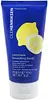
This smoothing exfoliator is formulated around Glycolic Acid and Sucrose to refine skin texture and brighten dull-looking skin.
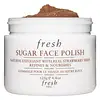
This exfoliator is formulated around Sucrose to hydrate.


What's inside
What's inside
 Key Ingredients
Benefits
Concerns
Ingredients Side-by-side
Water
Skin ConditioningGlycerin
Humectant


Glycolic Acid
Buffering










Sucrose
Humectant
Hydrated Silica
Abrasive
Polyglyceryl-10 Dipalmitate
Emollient
Propanediol
Solvent
Lactic Acid
Buffering
Sodium Cocoyl Isethionate
Cleansing
Polyacrylate Crosspolymer-6
Emulsion StabilisingSodium Hydroxide
BufferingSodium Lactate
Buffering
Acrylamide/Sodium Acryloyldimethyltaurate Copolymer
Emulsion StabilisingCitrus Limon Peel Powder
AbsorbentCitrus Limon Fruit Extract
Masking
Ocimum Sanctum Leaf Extract
Skin ConditioningChamomilla Recutita Flower Extract
Masking

Glycyrrhiza Glabra Root Extract
Bleaching
Saccharum Officinarum Extract
MoisturisingCitrus Aurantifolia Peel Extract
Cleansing
Santalum Album Extract
CleansingCitrus Limon Peel Oil
Masking



Citrus Aurantium Bergamia Peel Oil
Perfuming
Leuconostoc/Radish Root Ferment Filtrate
Antimicrobial
Coconut Acid
Cleansing
Sodium Riboflavin Phosphate
Skin ConditioningDimethylhydroxy Furanone
MaskingIsohexadecane
EmollientPolysorbate 80
Emulsifying
Sodium Isethionate
CleansingSorbitan Oleate
Emulsifying
Triethyl Citrate
Masking
Vanillin
Masking
Pentaerythrityl Tetra-Di-T-Butyl Hydroxyhydrocinnamate
Antioxidant
Caprylyl Glycol
Emollient
Phenoxyethanol
Preservative
Limonene
Perfuming
Linalool
Perfuming
Citral
Perfuming
Water, Glycerin, Glycolic Acid, Sucrose, Hydrated Silica, Polyglyceryl-10 Dipalmitate, Propanediol, Lactic Acid, Sodium Cocoyl Isethionate, Polyacrylate Crosspolymer-6, Sodium Hydroxide, Sodium Lactate, Acrylamide/Sodium Acryloyldimethyltaurate Copolymer, Citrus Limon Peel Powder, Citrus Limon Fruit Extract, Ocimum Sanctum Leaf Extract, Chamomilla Recutita Flower Extract, Glycyrrhiza Glabra Root Extract, Saccharum Officinarum Extract, Citrus Aurantifolia Peel Extract, Santalum Album Extract, Citrus Limon Peel Oil, Citrus Aurantium Bergamia Peel Oil, Leuconostoc/Radish Root Ferment Filtrate, Coconut Acid, Sodium Riboflavin Phosphate, Dimethylhydroxy Furanone, Isohexadecane, Polysorbate 80, Sodium Isethionate, Sorbitan Oleate, Triethyl Citrate, Vanillin, Pentaerythrityl Tetra-Di-T-Butyl Hydroxyhydrocinnamate, Caprylyl Glycol, Phenoxyethanol, Limonene, Linalool, Citral
Sucrose
Humectant
Propylene Glycol Dicaprylate/Dicaprate
EmollientPEG-7 Glyceryl Cocoate
Emulsifying
Stearalkonium Hectorite
Gel FormingFragaria Vesca Fruit Extract
AstringentEuphorbia Cerifera Wax
Mangifera Indica Seed Butter
Skin Conditioning
Propylene Carbonate
SolventParfum
Masking
Limonene
Perfuming
Limnanthes Alba Seed Oil
Skin Conditioning
Vitis Vinifera Seed Oil
Emollient
Prunus Domestica Seed Oil
Skin Conditioning
Fructose
Humectant
Glucose
Humectant
Tocopheryl Acetate
Antioxidant
Caramel
Cosmetic ColorantGlycerin
Humectant
Water
Skin ConditioningPotassium Sorbate
Preservative
BHT
Antioxidant
Citral
Perfuming
Sucrose, Propylene Glycol Dicaprylate/Dicaprate, PEG-7 Glyceryl Cocoate, Stearalkonium Hectorite, Fragaria Vesca Fruit Extract, Euphorbia Cerifera Wax, Mangifera Indica Seed Butter, Propylene Carbonate, Parfum, Limonene, Limnanthes Alba Seed Oil, Vitis Vinifera Seed Oil, Prunus Domestica Seed Oil, Fructose, Glucose, Tocopheryl Acetate, Caramel, Glycerin, Water, Potassium Sorbate, BHT, Citral
Reviews
Ingredients Explained
These ingredients are found in both products.
Ingredients higher up in an ingredient list are typically present in a larger amount.
Citral is the molecule responsible for the fresh lemon scent in lemon, lime, and lemongrass. It is a fragrance ingredient that can be created from plant essential oils or synthetically.
Though Citral has documented antimicrobial activity against acne bacteria (which is where the marketing claims about it being good for acne-prone skin originate), real formulas use it at fragrance-level concentrations under 1% so there's likely no skin benefit.
You should know this ingredient is a known EU fragrance allergen.
Animal studies classifies this ingredient as a weak-to-moderate skin sensitizer and clinical patch testing on eczema patients confirmed it to be both a contact allergen and irritant.
The term 'citral' is a collective term for two geometric isomers: geranial/Citral A and neral/Citral B.
The term 'fragrance' is not regulated in many countries. In many cases, it is up to the brand to define this term. For instance, many brands choose to label themselves as "fragrance-free" because they are not using synthetic fragrances. However, their products may still contain ingredients such as essential oils that are considered a fragrance.
Learn more about CitralGlycerin (or glycerol) is a compound naturally found in your skin. It's a powerhouse humectant that pulls water into the stratum corneum.
Topically, glycerin does several things at once:
Your skin makes glycerin on its own (mostly from sebaceous oil breakdown) and shuttles it to your outermost layer of skin, or your epidermis, via aquaporin-3.
Aquaporin-3 is a transporter that is essential for normal skin hydration, elasticity, and repair. Interestingly, mice lacking in AQP3 have dry and less elastic skin that can be fully corrected with glycerin.
This ingredient is non-irritating, plays well with almost every ingredient, and works across all skin types. Typical use is anywhere between 3-10% but can go up to 79% in some leave-on products.
Just know very high concentrations (>40%) can feel tacky in low humidity.
Glycerin is the name for this ingredient in American English. British English uses Glycerol/Glycerine.
Learn more about GlycerinLimonene is a fragrance that adds scent and taste to a formulation.
It's found in the peel oil of citrus fruits and other plants such as lavender and eucalyptus. The scent of limonene is generally described as "sweet citrus".
Limonene acts as an antioxidant, meaning it helps neutralize free radicals.
When exposed to air, oxidized limonene may sensitize the skin. Because of this, limonene is often avoided by people with sensitive skin.
The term 'fragrance' is not regulated in many countries. In many cases, it is up to the brand to define this term. For instance, many brands choose to label themselves as "fragrance-free" because they are not using synthetic fragrances. However, their products may still contain ingredients such as essential oils that are considered a fragrance.
Learn more about LimoneneSucrose is a natural sugar found in fruits, vegetables, and nuts. It is the main constituent of white sugar.
In skincare, sucrose is a humectant and can be a mild exfoliant.
Sucrose is hydrophilic, meaning it attracts water. This makes it an effective humectant and helps hydrate the skin.
Studies show sugars may worsen acne-prone skin due to it disrupting the skin's natural biome. We recommend speaking with a professional if you have any concerns.
In some products such as body scrubs, sucrose is used as an gentle exfoliant.
The term 'sucrose' comes from the french word for sugar, 'sucre'.
Learn more about SucroseWater. It's the most common cosmetic ingredient of all. You'll usually see it at the top of ingredient lists, meaning that it makes up the largest part of the product.
So why is it so popular? Water most often acts as a solvent - this means that it helps dissolve other ingredients into the formulation.
You'll also recognize water as that liquid we all need to stay alive. If you see this, drink a glass of water. Remember to stay hydrated!
Learn more about Water

