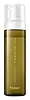
This mild foaming cleanser is made to cleanse while calming and soothing your skin.
This mild foaming cleanser is mild enough to cleanse without leaving skin feeling tight or stripped.

What's inside
What's inside
 Key Ingredients
Benefits
Concerns
Ingredients Side-by-side
Water
Skin ConditioningDisodium Laureth Sulfosuccinate
CleansingGlycerin
Humectant


Decyl Glucoside
Cleansing
Artemisia Capillaris Extract
Polysorbate 80
Emulsifying

Sodium Benzoate
Masking
Melaleuca Alternifolia Leaf Oil
Antioxidant







Methylpropanediol
SolventLaurylpyridinium Chloride
AntimicrobialAllantoin
Skin Conditioning

Citric Acid
Buffering

Mentha Piperita Oil
Masking

Disodium EDTA
Betaine
Humectant
Ethylhexylglycerin
Skin ConditioningSodium Citrate
BufferingPotassium Cocoyl Glycinate
Surfactant
Hedera Helix Leaf/Stem Extract
AntimicrobialRosmarinus Officinalis Leaf Extract
AntimicrobialBrassica Oleracea Italica Extract
AstringentMedicago Sativa Extract
TonicBrassica Oleracea Capitata Leaf Extract
Skin ConditioningTriticum Vulgare Germ Extract
Skin ConditioningBrassica Campestris Extract
Skin ConditioningRaphanus Sativus Seed Extract
Skin ConditioningPropolis Extract
Skin Conditioning
Citrus Aurantium Amara Leaf/Twig Oil
Masking
Hyaluronic Acid
Humectant

Camellia Sinensis Leaf Extract
Antimicrobial
Melissa Officinalis Leaf Extract
Skin ConditioningMilk Protein Extract
Glycyrrhiza Uralensis Root Extract
Skin Conditioning
Diospyros Kaki Leaf Extract
Skin Protecting
Morus Alba Bark Extract
Skin ConditioningOpuntia Coccinellifera Fruit Extract
Skin ConditioningJasminum Officinale Flower/Leaf Extract
Masking
Lavandula Angustifolia Flower/Leaf/Stem Extract
Masking
Hamamelis Virginiana Bark/Leaf/Twig Extract
Skin Conditioning
Eucalyptus Globulus Leaf Extract
Perfuming
Calendula Officinalis Flower Extract
Masking
Mentha Piperita Leaf Extract
Skin ConditioningVerbena Officinalis Leaf Extract
MaskingChamomilla Recutita Flower Extract
Masking
Aspalathus Linearis Extract
Skin ConditioningCentella Asiatica Extract
Cleansing
Chamaecyparis Obtusa Leaf Extract
Skin ConditioningPinus Densiflora Leaf Extract
Antimicrobial
Pinus Sylvestris Bud Extract
Perfuming
Carica Papaya Fruit Extract
Skin ConditioningPanthenol
Skin Conditioning
Water, Disodium Laureth Sulfosuccinate, Glycerin, Decyl Glucoside, Artemisia Capillaris Extract, Polysorbate 80, Sodium Benzoate, Melaleuca Alternifolia Leaf Oil, Methylpropanediol, Laurylpyridinium Chloride, Allantoin, Citric Acid, Mentha Piperita Oil, Disodium EDTA, Betaine, Ethylhexylglycerin, Sodium Citrate, Potassium Cocoyl Glycinate, Hedera Helix Leaf/Stem Extract, Rosmarinus Officinalis Leaf Extract, Brassica Oleracea Italica Extract, Medicago Sativa Extract, Brassica Oleracea Capitata Leaf Extract, Triticum Vulgare Germ Extract, Brassica Campestris Extract, Raphanus Sativus Seed Extract, Propolis Extract, Citrus Aurantium Amara Leaf/Twig Oil, Hyaluronic Acid, Camellia Sinensis Leaf Extract, Melissa Officinalis Leaf Extract, Milk Protein Extract, Glycyrrhiza Uralensis Root Extract, Diospyros Kaki Leaf Extract, Morus Alba Bark Extract, Opuntia Coccinellifera Fruit Extract, Jasminum Officinale Flower/Leaf Extract, Lavandula Angustifolia Flower/Leaf/Stem Extract, Hamamelis Virginiana Bark/Leaf/Twig Extract, Eucalyptus Globulus Leaf Extract, Calendula Officinalis Flower Extract, Mentha Piperita Leaf Extract, Verbena Officinalis Leaf Extract, Chamomilla Recutita Flower Extract, Aspalathus Linearis Extract, Centella Asiatica Extract, Chamaecyparis Obtusa Leaf Extract, Pinus Densiflora Leaf Extract, Pinus Sylvestris Bud Extract, Carica Papaya Fruit Extract, Panthenol
Water
Skin ConditioningSodium Cocoyl Isethionate
Cleansing
Glycerin
Humectant
Sodium Lauroyl Glutamate
SurfactantHydroxypropyl Starch Phosphate
1,2-Hexanediol
Skin Conditioning
Potassium Cocoyl Glycinate
Surfactant
Carica Papaya Fruit Extract
Skin ConditioningPrunus Mume Fruit Extract
Humectant
Pyrus Malus Fruit Extract
Skin Conditioning
Vitis Vinifera Fruit Extract
Skin ConditioningPotassium Cocoate
Emulsifying
Ethylhexylglycerin
Skin ConditioningDisodium EDTA
Melia Azadirachta Leaf Extract
Skin ConditioningAllantoin
Skin Conditioning
Moringa Oleifera Seed Extract
Skin Conditioning
Camellia Sinensis Leaf Extract
Antimicrobial
Melia Azadirachta Flower Extract
Skin ConditioningFicus Carica Fruit Extract
Humectant
Gaultheria Procumbens Leaf Extract
Perfuming
Monarda Didyma Leaf Extract
Skin ConditioningMentha Arvensis Leaf Extract
MaskingAcacia Concinna Fruit Extract
Skin ConditioningButylene Glycol
Humectant
Quillaja Saponaria Bark Extract
CleansingSaponaria Officinalis Leaf Extract
AntimicrobialSapindus Trifoliatus Fruit Extract
Skin ConditioningSapindus Mukorossi Peel Extract
Skin ConditioningCharcoal Powder
Abrasive
Panthenol
Skin Conditioning
Citric Acid
Buffering
Polyquaternium-67
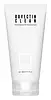
Water, Sodium Cocoyl Isethionate, Glycerin, Sodium Lauroyl Glutamate, Hydroxypropyl Starch Phosphate, 1,2-Hexanediol, Potassium Cocoyl Glycinate, Carica Papaya Fruit Extract, Prunus Mume Fruit Extract, Pyrus Malus Fruit Extract, Vitis Vinifera Fruit Extract, Potassium Cocoate, Ethylhexylglycerin, Disodium EDTA, Melia Azadirachta Leaf Extract, Allantoin, Moringa Oleifera Seed Extract, Camellia Sinensis Leaf Extract, Melia Azadirachta Flower Extract, Ficus Carica Fruit Extract, Gaultheria Procumbens Leaf Extract, Monarda Didyma Leaf Extract, Mentha Arvensis Leaf Extract, Acacia Concinna Fruit Extract, Butylene Glycol, Quillaja Saponaria Bark Extract, Saponaria Officinalis Leaf Extract, Sapindus Trifoliatus Fruit Extract, Sapindus Mukorossi Peel Extract, Charcoal Powder, Panthenol, Citric Acid, Polyquaternium-67
Ingredients Explained
These ingredients are found in both products.
Ingredients higher up in an ingredient list are typically present in a larger amount.
Allantoin is a soothing ingredient known for its protective and moisturizing properties; it's basically a quiet workhorse ingredient you can find in a huge range of cosmetics.
Though it can be derived from the comfrey plant, allantoin is produced synthetically for cosmetic products to ensure purity.
Research shows it can encourage your skin cells to turn over and renew by stimulating keratinocyte and fibroblast proliferation.
It also has mild keratolytic properties to help loosen and shed dead skin cells without being harsh.
Studies also suggest allantoin can help calm inflammation by dialing down some of the chemical signals your skin sends out when it is irritated.
This ingredient is typically used in the 0.1-0.5% range, and the FDA recognizes it as a skin protectant in OTC products up to 2%.
Overall, allantoin is a wonderful addition to most routines; it is stable across a wide pH range (~4-8), works well with other ingredients, and is considered non-sensitizing/non-irritating.
Fun fact: Allantoin is naturally occurring in comfrey root, beets, chamomile, and wheat sprouts. Our bodies even produce it as a byproduct of uric acid metabolism.
Learn more about AllantoinCamellia Sinensis Leaf Extract (tea extract) is one of the most well-researched plant extracts in skincare with an impressive resume.
Black tea, green tea, and oolong tea are all harvested from the Camellia Sinensis plant.
Studies show green tea extract and its catechins (like epigallocatechin gallate (EGCG)) help your skin cells product energy more efficiently and reducing the number of free-radicals that can damage your skin from the inside.
In lab-grown skin models, this translated to younger, healthier, and stronger skin.
There's also good sun protection data; researchers saw less DNA damage and redness on human skin when green tea was applied before UVB exposure. And the more they applied, the better the protection.
Needless to say, this ingredient shouldn't replace your sunscreen. But it is a great supportive ingredient that you can already find in many sunscreens and antioxidant serums.
A 2009 study found a 2% green tea lotion was effective for mild-to-moderate acne thanks to its anti-inflammatory and mild antimicrobial activity.
The quality of the extract matters a lot here:
Good extracts contain 50-90% catechins while lower quality ones are mostly there for marketing. We recommend reaching out to the brand if you have questions about the quality or source of their ingredients.
Human Repeated Insult Patch Testing showed no irritation or sensitization at use concentrations (0.86% in leave-on products and up to 30% as leaf water).
Learn more about Camellia Sinensis Leaf ExtractCarica Papaya Fruit Extract comes from the flesh of the papaya. It's a skin conditioning agent that carries a mix of bioactives like papain, beta-carotene, and vitamin C.
These bioactive compounds give it two main talking points:
1. Papain is a proteolytic enzyme that provides mild exfoliation, helping skin look smoother and more even.
2. The carotenoids and vitamin C provide some antioxidant activity.
It's pretty compatible with most ingredients, but just sure to space out enzyme products with strong acids/retinoids to avoid over-doing it.
Maximum reported concentration is around 0.1% and most leave-on products use just 0.05%. If you see higher figures like 5-10%, this is usually the pre-diluted material from raw extract suppliers.
This ingredient has an assuring safety record and there's a lack of clinical case reports of dermatitis from using it.
The only caveat is allergy: patch test if you have a papaya or latex-fruit allergy.
Learn more about Carica Papaya Fruit ExtractCitric Acid is an alpha hydroxy acid (AHA) naturally found in citrus fruits like oranges, lemons, and limes.
Like other AHAs, citric acid can exfoliate skin by breaking down the bonds that hold dead skin cells together. This helps reveal smoother and brighter skin underneath.
However, this exfoliating effect only happens at high concentrations (20%) which can be hard to find in cosmetic products.
Due to this, citric acid is usually included in small amounts as a pH adjuster. This helps keep products slightly more acidic and compatible with skin's natural pH.
In skincare formulas, citric acid can:
While it can provide some skin benefits, research shows lactic acid and glycolic acid are generally more effective and less irritating exfoliants.
Most citric acid used in skincare today is made by fermenting sugars (usually from molasses). This synthetic version is identical to the natural citrus form but easier to stabilize and use in formulations.
Rosacea skin has a lower threshold for acids generally, with 62.5% of rosacea subjects in one study reacting to lactic acid in a sting test. This is why we mark citric acid as a potential rosacea trigger.
However, this ingredient shows up as a pH adjuster or chelator at roughly 0.1-1% in many products. These low levels are unlikely to be an issue for rosacea skin and becomes a potential trigger at exfoliating concentrations (20%). Because everybody's skin is unique, we recommend a patch test if you are unsure.
Learn more about Citric AcidDisodium EDTA is a chelating agent. It grabs onto and deactivates metal ions that sneak into your products from water, packaging, or air.
This ingredient mainly works behind the scenes and helps with:
On top of that, this ingredient can counteract the effects of hard water by binding to the minerals in it.
One thing worth knowing is that Disodium EDTA has been shown to be a mild penetration enhancer. It can help other ingredients absorb into skin more effectively which can be a double-edged sword (great for actives, but can also make the active too strong if you have sensitive skin).
Clinical patch testing showed no significant skin irritation at typical use concentrations and minimal dermal absorption.
You'll most likely see this ingredient near the end of an ingredient list. It's typically found in concentrations less than 1%.
Learn more about Disodium EDTAEthylhexylglycerin is created from glycerin. It is a multitasker ingredient that:
The CIR Expert Panel found minimal skin absorption or sensitization of any kind in a safety assessment. Though this ingredient is considered well-tolerated, a small number of cases of allergic dermatitis have been published since 2002. Just be sure to patch test if you are unsure.
Industry-reported use ranges from 8% in rinse-off products and 2% in leave-on formulations.
Learn more about EthylhexylglycerinGlycerin (or glycerol) is a compound naturally found in your skin. It's a powerhouse humectant that pulls water into the stratum corneum.
Topically, glycerin does several things at once:
Your skin makes glycerin on its own (mostly from sebaceous oil breakdown) and shuttles it to your outermost layer of skin, or your epidermis, via aquaporin-3.
Aquaporin-3 is a transporter that is essential for normal skin hydration, elasticity, and repair. Interestingly, mice lacking in AQP3 have dry and less elastic skin that can be fully corrected with glycerin.
This ingredient is non-irritating, plays well with almost every ingredient, and works across all skin types. Typical use is anywhere between 3-10% but can go up to 79% in some leave-on products.
Just know very high concentrations (>40%) can feel tacky in low humidity.
Glycerin is the name for this ingredient in American English. British English uses Glycerol/Glycerine.
Learn more about GlycerinPanthenol is a common ingredient that helps hydrate and soothe the skin. It is found naturally in our skin and hair.
There are two forms of panthenol: D and L.
D-panthenol is also known as dexpanthenol. Most cosmetics use dexpanthenol or a mixture of D and L-panthenol.
Panthenol is famous due to its ability to go deeper into the skin's layers. Using this ingredient has numerous pros (and no cons):
Like hyaluronic acid, panthenol is a humectant. Humectants are able to bind and hold large amounts of water to keep skin hydrated.
This ingredient works well for wound healing. It works by increasing tissue in the wound and helps close open wounds.
Once oxidized, panthenol converts to pantothenic acid. Panthothenic acid is found in all living cells.
This ingredient is also referred to as pro-vitamin B5.
Learn more about PanthenolPotassium Cocoyl Glycinate is an amino acid-based surfactant and cleaning agent. This ingredient can be derived from animals or plants. It may also be synthetically created from fatty acids of the coconut and glycine.
Potassium Cocoyl Glycinate is a gentle surfactant. Surfactants help gather the dirt, oil, and other pollutants from your skin to be rinsed away. It is a mild cleanser and naturally produces foam.
Water. It's the most common cosmetic ingredient of all. You'll usually see it at the top of ingredient lists, meaning that it makes up the largest part of the product.
So why is it so popular? Water most often acts as a solvent - this means that it helps dissolve other ingredients into the formulation.
You'll also recognize water as that liquid we all need to stay alive. If you see this, drink a glass of water. Remember to stay hydrated!
Learn more about Water

