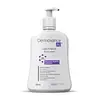
This barrier-repair moisturizer is formulated around Butyrospermum Parkii Butter and Ceramide Ng to strengthen the skin barrier and hydrate skin.
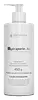
This barrier-repair moisturizer is formulated around Butyrospermum Parkii Butter and Ceramide NP to strengthen the skin barrier and hydrate skin.

What's inside
What's inside
 Key Ingredients
Benefits
Concerns
Ingredients Side-by-side
1,2-Hexanediol
Skin Conditioning
Water
Skin ConditioningAscorbyl Palmitate
Antioxidant





BHT
Antioxidant
Butyrospermum Parkii Butter
Skin Conditioning



Butyrospermum Parkii Butter Unsaponifiables
Skin Conditioning
Caprylic/Capric Triglyceride
Masking
Ceramide Ng
Skin Conditioning


Citric Acid
Buffering
Disodium EDTA
ChelatingGlycerin
Humectant
Hydroxyacetophenone
Antioxidant
Lactobacillus Ferment
Skin Conditioning
Lecithin
Emollient
Maltodextrin
Absorbent
Niacinamide
Smoothing





PEG-60 Hydrogenated Castor Oil
Emulsifying
PEG-8
HumectantSaccharide Isomerate
Humectant
Sodium Citrate
BufferingSodium Polyacrylate
Absorbent
Glycine Soja Oil
Emollient
Squalane
Emollient
1,2-Hexanediol, Water, Ascorbyl Palmitate, BHT, Butyrospermum Parkii Butter, Butyrospermum Parkii Butter Unsaponifiables, Caprylic/Capric Triglyceride, Ceramide Ng, Citric Acid, Disodium EDTA, Glycerin, Hydroxyacetophenone, Lactobacillus Ferment, Lecithin, Maltodextrin, Niacinamide, PEG-60 Hydrogenated Castor Oil, PEG-8, Saccharide Isomerate, Sodium Citrate, Sodium Polyacrylate, Glycine Soja Oil, Squalane
Water
Skin ConditioningGlycerin
Humectant
Cetearyl Alcohol
Emollient
Glyceryl Stearate
Emollient
Propylheptyl Caprylate
EmollientButyrospermum Parkii Butter
Skin Conditioning
Dimethicone
Emollient
Phenoxyethanol
Preservative
Ethylene Brassylate
MaskingPropanediol
Solvent
Sodium Polyacrylate
Absorbent
Soybean Glycerides
EmollientTriethanolamine
BufferingCitric Acid
Buffering
Disodium Lauriminodipropionate Tocopheryl Phosphates
CleansingTocopheryl Acetate
Antioxidant
Butyrospermum Parkii Butter Unsaponifiables
Skin Conditioning
Ethylhexylglycerin
Skin ConditioningSodium Acrylates/Beheneth-25 Methacrylate Crosspolymer
Skin ConditioningHydrogenated Polydecene
EmollientDisodium EDTA
ChelatingLaureth-23
Cleansing
Hydrolyzed Caesalpinia Spinosa Gum
AbsorbentEnteromorpha Compressa Extract
Skin Protecting
Lauryl Glucoside
CleansingCaesalpinia Spinosa Gum
Skin ConditioningLactobacillus Ferment Lysate
Skin Conditioning
Agastache Mexicana Flower/Leaf/Stem Extract
Skin ConditioningOcimum Sanctum Leaf Extract
Skin ConditioningPotassium Sorbate
Preservative
Rheum Rhaponticum Root Extract
Skin ConditioningSodium Benzoate
Masking
Ascorbyl Palmitate
Antioxidant
Ceramide NP
Skin Conditioning
Water, Glycerin, Cetearyl Alcohol, Glyceryl Stearate, Propylheptyl Caprylate, Butyrospermum Parkii Butter, Dimethicone, Phenoxyethanol, Ethylene Brassylate, Propanediol, Sodium Polyacrylate, Soybean Glycerides, Triethanolamine, Citric Acid, Disodium Lauriminodipropionate Tocopheryl Phosphates, Tocopheryl Acetate, Butyrospermum Parkii Butter Unsaponifiables, Ethylhexylglycerin, Sodium Acrylates/Beheneth-25 Methacrylate Crosspolymer, Hydrogenated Polydecene, Disodium EDTA, Laureth-23, Hydrolyzed Caesalpinia Spinosa Gum, Enteromorpha Compressa Extract, Lauryl Glucoside, Caesalpinia Spinosa Gum, Lactobacillus Ferment Lysate, Agastache Mexicana Flower/Leaf/Stem Extract, Ocimum Sanctum Leaf Extract, Potassium Sorbate, Rheum Rhaponticum Root Extract, Sodium Benzoate, Ascorbyl Palmitate, Ceramide NP
Reviews
Ingredients Explained
These ingredients are found in both products.
Ingredients higher up in an ingredient list are typically present in a larger amount.
Ascorbyl Palmitate is a fat-soluble form of vitamin C (Ascorbic Acid) made by combining it with palmitic acid.
It is able to blend easily into creams and oil-based formulas because it dissolves in oils rather than water.
As you may know, regular vitamin C is notorious for breaking down when exposed to sunlight and air. Ascorbyl Palmitate is more stable and degrades at a slower rate.
Research on whether it converts efficiently into active vitamin C once it's applied on your skin is still limited.
Some in-vitro studies suggest it may support collagen production, but it is not considered one of the stronger vitamin C derivatives, like:
Due to the palmitic acid base, this ingredient may not be fungal acne safe. Comedogenic studies have also shown this ingredient to have a rating of 2.
It's also worth keeping in mind that comedogenic and irritancy ratings are tested on individual ingredients, not finished formulas. The final product's formulation, concentration, and other ingredients all play a role in how something actually behaves on your skin.
Learn more about Ascorbyl PalmitateThis ingredient is also known as shea butter. It is a plant-derived extract from the nuts of the Africa shea tree and one of the most well-studied emollients.
Because it has a high concentration of fatty acids (primarily oleic, stearic, and linoleic) it is able to form a protective barrier on the skin's surface. This helps seal in moisture and prevents transepidermal water loss (TEWL).
In vitro research found an increase in skin hydration by 58% and a decrease in TEWL by 37.8% after 24 hours of applying this ingredient (pretty impressive for a single ingredient!).
Besides hydration, shea butter also contains triterpenes that have anti-inflammatory potential. In particule, lupeol cinnamate has shown the highest anti-inflammatory activity in vivo.
Shea butter also contains vitamins A and E which may contribute to antioxidant activity.
While Shea Butter has an SPF rating of about 3-4, it is not a sunscreen replacement.
This ingredient may not be fungal acne safe because its fatty acids fall within the C11-C24 range that the Malassezia yeast can metabolize.
This ingredient shows up on a lot of "pore-clogging" lists but there's no real evidence behind that. It doesn't even have a comedogenic rating from an actual study; the numbers you'll find online come from blogs citing other blogs.
Ratings for other ingredients mostly come from a 1980s rabbit ear test. This test doesn't translate well to human skin or to real products because the ingredient sits at a much lower percentage.
Some people still find it breaks them out. So if that's you, definitely trust your skin. Just know this one's based on experience and not evidence.
Learn more about Butyrospermum Parkii ButterButyrospermum Parkii Butter Unsaponifiables comes from shea butter.
Unsaponifiables means the butter is not saponified, or it has not been turned into soap using an alkali reaction.
This ingredient contains Vitamin E, sterols, and many antioxidants. These compounds help hydate your skin.
Learn more about Butyrospermum Parkii Butter UnsaponifiablesCitric Acid is an alpha hydroxy acid (AHA) naturally found in citrus fruits like oranges, lemons, and limes.
Like other AHAs, citric acid can exfoliate skin by breaking down the bonds that hold dead skin cells together. This helps reveal smoother and brighter skin underneath.
However, this exfoliating effect only happens at high concentrations (20%) which can be hard to find in cosmetic products.
Due to this, citric acid is usually included in small amounts as a pH adjuster. This helps keep products slightly more acidic and compatible with skin's natural pH.
In skincare formulas, citric acid can:
While it can provide some skin benefits, research shows lactic acid and glycolic acid are generally more effective and less irritating exfoliants.
Most citric acid used in skincare today is made by fermenting sugars (usually from molasses). This synthetic version is identical to the natural citrus form but easier to stabilize and use in formulations.
Rosacea skin has a lower threshold for acids generally, with 62.5% of rosacea subjects in one study reacting to lactic acid in a sting test. This is why we mark citric acid as a potential rosacea trigger.
However, this ingredient shows up as a pH adjuster or chelator at roughly 0.1-1% in many products. These low levels are unlikely to be an issue for rosacea skin and becomes a potential trigger at exfoliating concentrations (20%). Because everybody's skin is unique, we recommend a patch test if you are unsure.
Learn more about Citric AcidDisodium EDTA is a chelating agent. It grabs onto and deactivates metal ions that sneak into your products from water, packaging, or air.
This ingredient mainly works behind the scenes and helps with:
On top of that, this ingredient can counteract the effects of hard water by binding to the minerals in it.
One thing worth knowing is that Disodium EDTA has been shown to be a mild penetration enhancer. It can help other ingredients absorb into skin more effectively which can be a double-edged sword (great for actives, but can also make the active too strong if you have sensitive skin).
Clinical patch testing showed no significant skin irritation at typical use concentrations and minimal dermal absorption.
You'll most likely see this ingredient near the end of an ingredient list. It's typically found in concentrations less than 1%.
Learn more about Disodium EDTAGlycerin (or glycerol) is a compound naturally found in your skin. It's a powerhouse humectant that pulls water into the stratum corneum.
Topically, glycerin does several things at once:
Your skin makes glycerin on its own (mostly from sebaceous oil breakdown) and shuttles it to your outermost layer of skin, or your epidermis, via aquaporin-3.
Aquaporin-3 is a transporter that is essential for normal skin hydration, elasticity, and repair. Interestingly, mice lacking in AQP3 have dry and less elastic skin that can be fully corrected with glycerin.
This ingredient is non-irritating, plays well with almost every ingredient, and works across all skin types. Typical use is anywhere between 3-10% but can go up to 79% in some leave-on products.
Just know very high concentrations (>40%) can feel tacky in low humidity.
Glycerin is the name for this ingredient in American English. British English uses Glycerol/Glycerine.
Learn more about GlycerinSodium Polyacrylate is the sodium salt of polyacrylic acid. It is used as an absorber, emollient, and stabilizer.
This ingredient is a super-absorbent polymer - meaning it can absorb 100 to 1000 times its mass in water. As an emollient, Sodium Polyacrylate helps soften and soothe skin. Emollients work by creating a barrier to trap moisture in. This helps keep your skin hydrated.
Water. It's the most common cosmetic ingredient of all. You'll usually see it at the top of ingredient lists, meaning that it makes up the largest part of the product.
So why is it so popular? Water most often acts as a solvent - this means that it helps dissolve other ingredients into the formulation.
You'll also recognize water as that liquid we all need to stay alive. If you see this, drink a glass of water. Remember to stay hydrated!
Learn more about Water


