Forebie Barrier Balancing Essence Toner Versus Finally Found You! Hyd-Rice-Ing & Brightening Essence Booster
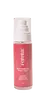
This barrier-repair toner is formulated around Niacinamide and Lactobionic Acid to strengthen the skin barrier and calm redness.
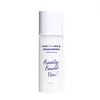
This brightening toner is formulated around 3-O-Ethyl Ascorbic Acid and Ferulic Acid to brighten dull-looking skin and hydrate skin.

What's inside
What's inside
 Key Ingredients
Benefits
Concerns
Ingredients Side-by-side
Niacinamide
Smoothing











Lactobionic Acid
Buffering
Propylene Glycol
Humectant


Centella Asiatica Extract
Cleansing
Hexylresorcinol
Antimicrobial
Tranexamic Acid
Astringent
Panthenol
Skin Conditioning
Collagen
Moisturising
Calendula Officinalis Flower Extract
Masking
Phenoxyethanol
Preservative
Sodium Lauroyl Lactylate
EmulsifyingButylene Glycol
Humectant
Allantoin
Skin Conditioning
Sodium Hyaluronate
Humectant
Opuntia Ficus-Indica Stem Extract
Skin Conditioning
1,2-Hexanediol
Skin Conditioning
Ceramide NP
Skin Conditioning
Ceramide AP
Skin Conditioning
Phytosphingosine
Skin Conditioning
Cholesterol
Emollient
Carbomer
Emulsion StabilisingXanthan Gum
EmulsifyingEthylhexylglycerin
Skin ConditioningCeramide EOP
Skin Conditioning
Niacinamide, Lactobionic Acid, Propylene Glycol, Centella Asiatica Extract, Hexylresorcinol, Tranexamic Acid, Panthenol, Collagen, Calendula Officinalis Flower Extract, Phenoxyethanol, Sodium Lauroyl Lactylate, Butylene Glycol, Allantoin, Sodium Hyaluronate, Opuntia Ficus-Indica Stem Extract, 1,2-Hexanediol, Ceramide NP, Ceramide AP, Phytosphingosine, Cholesterol, Carbomer, Xanthan Gum, Ethylhexylglycerin, Ceramide EOP
Water
Skin ConditioningGlycerin
Humectant
Butylene Glycol
Humectant
Acrylates Copolymer
3-O-Ethyl Ascorbic Acid
Skin Conditioning
Allantoin
Skin Conditioning
Ethoxydiglycol
HumectantFerulic Acid
Antimicrobial
Avena Sativa Kernel Extract
Abrasive
Panthenol
Skin Conditioning
Sodium Benzoate
Masking
Triethanolamine
BufferingChlorphenesin
Antimicrobial
PPG-13-Decyltetradeceth-24
EmulsifyingSodium Styrene/Acrylates Copolymer
Disodium EDTA
ChelatingPolysorbate 20
Emulsifying
Tocopheryl Acetate
Antioxidant
Propylene Glycol
Humectant
Oryza Sativa Germ Extract
EmollientPentylene Glycol
Skin Conditioning
Tamarindus Indica Seed Gum
Emulsion Stabilising
Glucose
Humectant
Glycine Soja Seed Extract
Skin Conditioning
1,2-Hexanediol
Skin Conditioning
Beeswax
Emulsion Stabilising

Citric Acid
Buffering
Potassium Sorbate
Preservative
Water, Glycerin, Butylene Glycol, Acrylates Copolymer, 3-O-Ethyl Ascorbic Acid, Allantoin, Ethoxydiglycol, Ferulic Acid, Avena Sativa Kernel Extract, Panthenol, Sodium Benzoate, Triethanolamine, Chlorphenesin, PPG-13-Decyltetradeceth-24, Sodium Styrene/Acrylates Copolymer, Disodium EDTA, Polysorbate 20, Tocopheryl Acetate, Propylene Glycol, Oryza Sativa Germ Extract, Pentylene Glycol, Tamarindus Indica Seed Gum, Glucose, Glycine Soja Seed Extract, 1,2-Hexanediol, Beeswax, Citric Acid, Potassium Sorbate
Reviews
Ingredients Explained
These ingredients are found in both products.
Ingredients higher up in an ingredient list are typically present in a larger amount.
1,2-Hexanediol is a synthetic liquid and another multi-functional powerhouse.
It is a:
- Humectant, drawing moisture into the skin
- Emollient, helping to soften skin
- Solvent, dispersing and stabilizing formulas
- Preservative booster, enhancing the antimicrobial activity of other preservatives
Allantoin is a soothing ingredient known for its protective and moisturizing properties; it's basically a quiet workhorse ingredient you can find in a huge range of cosmetics.
Though it can be derived from the comfrey plant, allantoin is produced synthetically for cosmetic products to ensure purity.
Research shows it can encourage your skin cells to turn over and renew by stimulating keratinocyte and fibroblast proliferation.
It also has mild keratolytic properties to help loosen and shed dead skin cells without being harsh.
Studies also suggest allantoin can help calm inflammation by dialing down some of the chemical signals your skin sends out when it is irritated.
This ingredient is typically used in the 0.1-0.5% range, and the FDA recognizes it as a skin protectant in OTC products up to 2%.
Overall, allantoin is a wonderful addition to most routines; it is stable across a wide pH range (~4-8), works well with other ingredients, and is considered non-sensitizing/non-irritating.
Fun fact: Allantoin is naturally occurring in comfrey root, beets, chamomile, and wheat sprouts. Our bodies even produce it as a byproduct of uric acid metabolism.
Learn more about AllantoinButylene Glycol (or BG) is used within cosmetic products for a few different reasons:
Overall, Butylene Glycol is a safe and well-rounded ingredient that works well with other ingredients.
Though this ingredient works well with most skin types, some people with sensitive skin may experience a reaction such as allergic rashes, closed comedones, or itchiness.
Learn more about Butylene GlycolPanthenol is a common ingredient that helps hydrate and soothe the skin. It is found naturally in our skin and hair.
There are two forms of panthenol: D and L.
D-panthenol is also known as dexpanthenol. Most cosmetics use dexpanthenol or a mixture of D and L-panthenol.
Panthenol is famous due to its ability to go deeper into the skin's layers. Using this ingredient has numerous pros (and no cons):
Like hyaluronic acid, panthenol is a humectant. Humectants are able to bind and hold large amounts of water to keep skin hydrated.
This ingredient works well for wound healing. It works by increasing tissue in the wound and helps close open wounds.
Once oxidized, panthenol converts to pantothenic acid. Panthothenic acid is found in all living cells.
This ingredient is also referred to as pro-vitamin B5.
Learn more about PanthenolPropylene Glycol is a synthetic, colorless, odorless liquid that has been a staple in cosmetics for decades. It is a skin conditioning agent, humectant, and solvent.
As a humectant, it draw water to the skin to reduce flaking and restore suppleness. It's also a solvent that helps dissolve other actives and keeps formulas stable across temperature changes.
The CIR Expert Panel has confirmed this ingredient to be nontoxic and clinical studies show no sensitization at cosmetic use concentrations.
True allergic reactions are quite rare: a 15-year retrospective study of 6,751 patients found only 0.31% had a positive reaction (and less than half were considered clinically relevant).
It seemed that when sensitization does occur, it's most commonly linked to topical medication (like corticosteroids) and not cosmetics. Allergic contact dermatitis also appears largely limited to individuals with underlying skin conditions.
Overall, propylene glycol is a well-studied ingredient that most people can tolerate without issue.
Learn more about Propylene Glycol

