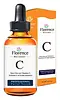
This brightening serum is formulated around Sodium Ascorbyl Phosphate and Ferulic Acid to brighten dull-looking skin and hydrate skin.
This hydrating serum is formulated around Opuntia Ficus-Indica Seed Oil to hydrate skin.


What's inside
What's inside
 Key Ingredients
Benefits
Concerns
Ingredients Side-by-side
Water
Skin ConditioningSodium Ascorbyl Phosphate
Antioxidant







Aloe Barbadensis Leaf Juice
Skin Conditioning

Glycerin
Humectant
Ferulic Acid
Antimicrobial
Hydrolyzed Hyaluronic Acid
Humectant
Sodium Hyaluronate
Humectant
Arginine
Masking
Taraxacum Officinale Extract
Skin ConditioningCentella Asiatica Extract
Cleansing
Equisetum Arvense Extract
AstringentCitrus Aurantium Amara Flower Water
MaskingHamamelis Virginiana Leaf Extract
Skin Conditioning

Simmondsia Chinensis Seed Oil
Emollient


Citrus Aurantium Dulcis Peel Oil
Masking
Phytic Acid
Chelating
Benzyl Alcohol
Perfuming




Tocopheryl Acetate
Antioxidant
Polyglyceryl-4 Caprate
EmulsifyingLimonene
Perfuming
Xanthan Gum
EmulsifyingEthylhexylglycerin
Skin ConditioningPotassium Sorbate
Preservative
Sodium Benzoate
Masking
Water, Sodium Ascorbyl Phosphate, Aloe Barbadensis Leaf Juice, Glycerin, Ferulic Acid, Hydrolyzed Hyaluronic Acid, Sodium Hyaluronate, Arginine, Taraxacum Officinale Extract, Centella Asiatica Extract, Equisetum Arvense Extract, Citrus Aurantium Amara Flower Water, Hamamelis Virginiana Leaf Extract, Simmondsia Chinensis Seed Oil, Citrus Aurantium Dulcis Peel Oil, Phytic Acid, Benzyl Alcohol, Tocopheryl Acetate, Polyglyceryl-4 Caprate, Limonene, Xanthan Gum, Ethylhexylglycerin, Potassium Sorbate, Sodium Benzoate
Citrus Aurantium Dulcis Fruit Water
MaskingWater
Skin ConditioningIsoamyl Laurate
Emollient
Pentylene Glycol
Skin Conditioning
Sodium Lactate
Buffering
Isosorbide Dicaprylate
Skin ConditioningOpuntia Ficus-Indica Seed Oil
Emollient
Betaine
Humectant
Glycerin
Humectant
Actinidia Chinensis Fruit Water
MaskingSelaginella Lepidophylla Extract
EmollientLactobacillus Ferment Lysate
Skin Conditioning
Glyceryl Stearate Citrate
Emollient
Sucrose Stearate
EmollientGlyceryl Glucoside
Humectant
Hydrolyzed Acacia Macrostachya Seed Extract
Skin ConditioningCamellia Sinensis Leaf Powder
Lactobacillus Ferment
Skin Conditioning
Cetraria Islandica Thallus Extract
HumectantPolypodium Vulgare Rhizome Extract
HumectantSphagnum Magellanicum Extract
Skin ConditioningSodium Hyaluronate
Humectant
Bisabolol
Antioxidant
Ubiquinone
Antioxidant
Pullulan
Lysolecithin
EmulsifyingXanthan Gum
EmulsifyingSclerotium Gum
Emulsion StabilisingZingiber Officinale Root Extract
Masking
Rosa Damascena Flower Oil
Masking
Phenethyl Alcohol
MaskingLactic Acid
Buffering

Propanediol
Solvent
Silica
Abrasive
Maltodextrin
Absorbent
Arginine
Masking
Citric Acid
Buffering
Citrus Aurantium Dulcis Fruit Water, Water, Isoamyl Laurate, Pentylene Glycol, Sodium Lactate, Isosorbide Dicaprylate, Opuntia Ficus-Indica Seed Oil, Betaine, Glycerin, Actinidia Chinensis Fruit Water, Selaginella Lepidophylla Extract, Lactobacillus Ferment Lysate, Glyceryl Stearate Citrate, Sucrose Stearate, Glyceryl Glucoside, Hydrolyzed Acacia Macrostachya Seed Extract, Camellia Sinensis Leaf Powder, Lactobacillus Ferment, Cetraria Islandica Thallus Extract, Polypodium Vulgare Rhizome Extract, Sphagnum Magellanicum Extract, Sodium Hyaluronate, Bisabolol, Ubiquinone, Pullulan, Lysolecithin, Xanthan Gum, Sclerotium Gum, Zingiber Officinale Root Extract, Rosa Damascena Flower Oil, Phenethyl Alcohol, Lactic Acid, Propanediol, Silica, Maltodextrin, Arginine, Citric Acid
Ingredients Explained
These ingredients are found in both products.
Ingredients higher up in an ingredient list are typically present in a larger amount.
Arginine is a semi-essential amino acid. This just means our bodies can product a bit on its own, but sometimes needs a little boost from food sources.
It is a part of your skin's natural moisturizing factor (NMF), or the water-loving molecules in your outermost layer of skin (stratum corneum) that keeps everything hydrated and happy.
Here's an interesting thing about Arginine: your skin converts it into urea through the Krebs-Henseleit urea cycle. Urea is one of the most effective humectants your skin naturally produces.
A clinical study showed applying 2.5% arginine hydrochloride to atopic dermatitis skin showed significant urea levels in the stratum corneum and improved moisture in just four weeks.
Arginine is also a precursor to nitric oxide; nitric oxide improves microcirculation and supports wound healing and collagen synthesis.
One study found that an amino acid complex containing Arginine reduced skin irritation, improved hydration, and accelerated skin repair in clinical / in-vivo studies.
Arginine itself is an amino acid and not a fatty acid, oil, or ester. On its own, it's not a direct food source for Malassezia, or the yeast that causes fungal acne.
Learn more about ArginineGlycerin (or glycerol) is a compound naturally found in your skin. It's a powerhouse humectant that pulls water into the stratum corneum.
Topically, glycerin does several things at once:
Your skin makes glycerin on its own (mostly from sebaceous oil breakdown) and shuttles it to your outermost layer of skin, or your epidermis, via aquaporin-3.
Aquaporin-3 is a transporter that is essential for normal skin hydration, elasticity, and repair. Interestingly, mice lacking in AQP3 have dry and less elastic skin that can be fully corrected with glycerin.
This ingredient is non-irritating, plays well with almost every ingredient, and works across all skin types. Typical use is anywhere between 3-10% but can go up to 79% in some leave-on products.
Just know very high concentrations (>40%) can feel tacky in low humidity.
Glycerin is the name for this ingredient in American English. British English uses Glycerol/Glycerine.
Learn more about GlycerinSodium Hyaluronate is the salt form of hyaluronic acid. It is a long sugar chain that is naturally found in your skin, joints, and connective tissue that maintains hydration and elasticity.
In skincare, it works as a humectant. It pulls water from the environment and deeper layers of skin and binds it to the surface.
Interestingly, the size of the molecule affects its behavior:
Some clinical evidence links low molecular weight versions to improved wrinkle depth, elasticity, anti-inflammatory effects, and barrier repair.
Many serums use a blend of both weights so you can get surface hydration plus longer-lasting and deeper effects.
You'll typically see concentrations between 0.1-2% for this ingredient.
Learn more about Sodium HyaluronateWater. It's the most common cosmetic ingredient of all. You'll usually see it at the top of ingredient lists, meaning that it makes up the largest part of the product.
So why is it so popular? Water most often acts as a solvent - this means that it helps dissolve other ingredients into the formulation.
You'll also recognize water as that liquid we all need to stay alive. If you see this, drink a glass of water. Remember to stay hydrated!
Learn more about WaterXanthan gum is used as a stabilizer and thickener within cosmetic products. It helps give products a sticky, thick feeling - preventing them from being too runny.
On the technical side of things, xanthan gum is a polysaccharide - a combination consisting of multiple sugar molecules bonded together.
Xanthan gum is a pretty common and great ingredient. It is a natural, non-toxic, non-irritating ingredient that is also commonly used in food products.
Learn more about Xanthan Gum

