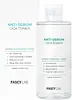
This oil-control toner is formulated around Niacinamide and Centella Asiatica Extract to balance excess oil and calm redness.
This brightening toner is formulated around Niacinamide to brighten dull-looking skin and refine skin texture.

What's inside
What's inside
 Key Ingredients
Benefits
Concerns
Ingredients Side-by-side
Water
Skin ConditioningButylene Glycol
Humectant

Glycerin
Humectant
Honey Extract
Humectant
1,2-Hexanediol
Skin Conditioning
Propanediol
Solvent
Pentylene Glycol
Skin Conditioning
Niacinamide
Smoothing









Ethylhexylglycerin
Skin ConditioningCaprylyl Glycol
Emollient
Glycosphingolipids
EmollientGlycolipids
Skin ConditioningBetaine
Humectant
Adenosine
Skin Conditioning
Xanthan Gum
EmulsifyingDisodium EDTA
ChelatingRoyal Jelly Extract
Skin Conditioning
Hydrolyzed Collagen
Emollient
Hibiscus Sabdariffa Flower Extract
Skin ConditioningHamamelis Virginiana Leaf Extract
Skin Conditioning

Rose Extract
Skin ConditioningGlycine Soja Seed Extract
Skin Conditioning
Portulaca Oleracea Extract
Skin Conditioning
Centella Asiatica Extract
Cleansing
Scutellaria Baicalensis Root Extract
Astringent
Undaria Pinnatifida Extract
Skin ConditioningLaminaria Japonica Extract
Skin Protecting
Milk Protein Extract
Hypnea Musciformis Extract
Skin Protecting
Polygonum Cuspidatum Root Extract
Antioxidant
Camellia Sinensis Leaf Extract
Antimicrobial
Glycyrrhiza Glabra Root Extract
Bleaching
Chamomilla Recutita Extract
Skin Conditioning
Water, Butylene Glycol, Glycerin, Honey Extract, 1,2-Hexanediol, Propanediol, Pentylene Glycol, Niacinamide, Ethylhexylglycerin, Caprylyl Glycol, Glycosphingolipids, Glycolipids, Betaine, Adenosine, Xanthan Gum, Disodium EDTA, Royal Jelly Extract, Hydrolyzed Collagen, Hibiscus Sabdariffa Flower Extract, Hamamelis Virginiana Leaf Extract, Rose Extract, Glycine Soja Seed Extract, Portulaca Oleracea Extract, Centella Asiatica Extract, Scutellaria Baicalensis Root Extract, Undaria Pinnatifida Extract, Laminaria Japonica Extract, Milk Protein Extract, Hypnea Musciformis Extract, Polygonum Cuspidatum Root Extract, Camellia Sinensis Leaf Extract, Glycyrrhiza Glabra Root Extract, Chamomilla Recutita Extract
Oryza Sativa Bran Water 72%
Masking
Butylene Glycol
Humectant
Water
Skin ConditioningNiacinamide
Smoothing
Propylene Glycol Dicaprylate
Emollient1,2-Hexanediol
Skin Conditioning
Polyglyceryl-4 Caprate
EmulsifyingCaprylyl Glycol
Emollient
Saccharomyces/Rice Bran Ferment
Humectant

Oryza Sativa Bran Extract
Skin Conditioning
Lactobacillus/Soybean Ferment Extract
Skin ConditioningSalix Alba Bark Extract
Astringent
Origanum Vulgare Leaf Extract
Skin ConditioningPortulaca Oleracea Extract
Skin Conditioning
Chamaecyparis Obtusa Leaf Extract
Skin ConditioningScutellaria Baicalensis Root Extract
Astringent
Cinnamomum Zeylanicum Bark Extract
Antimicrobial
Allantoin
Skin Conditioning
Carbomer
Emulsion StabilisingArginine
Masking
Styrene/Vp Copolymer
Sorbitan Sesquioleate
Emulsifying
Ethylhexylglycerin
Skin ConditioningDipotassium Glycyrrhizate
Humectant
Pentylene Glycol
Skin Conditioning
Aspalathus Linearis Extract
Skin ConditioningGlycyrrhiza Glabra Root Extract
Bleaching
Commiphora Myrrha Resin Extract
Skin ConditioningPerilla Frutescens Leaf Extract
MaskingYucca Schidigera Root Extract
Skin ConditioningOryza Sativa Bran Water 72%, Butylene Glycol, Water, Niacinamide, Propylene Glycol Dicaprylate, 1,2-Hexanediol, Polyglyceryl-4 Caprate, Caprylyl Glycol, Saccharomyces/Rice Bran Ferment, Oryza Sativa Bran Extract, Lactobacillus/Soybean Ferment Extract, Salix Alba Bark Extract, Origanum Vulgare Leaf Extract, Portulaca Oleracea Extract, Chamaecyparis Obtusa Leaf Extract, Scutellaria Baicalensis Root Extract, Cinnamomum Zeylanicum Bark Extract, Allantoin, Carbomer, Arginine, Styrene/Vp Copolymer, Sorbitan Sesquioleate, Ethylhexylglycerin, Dipotassium Glycyrrhizate, Pentylene Glycol, Aspalathus Linearis Extract, Glycyrrhiza Glabra Root Extract, Commiphora Myrrha Resin Extract, Perilla Frutescens Leaf Extract, Yucca Schidigera Root Extract
Ingredients Explained
These ingredients are found in both products.
Ingredients higher up in an ingredient list are typically present in a larger amount.
1,2-Hexanediol is a synthetic liquid and another multi-functional powerhouse.
It is a:
- Humectant, drawing moisture into the skin
- Emollient, helping to soften skin
- Solvent, dispersing and stabilizing formulas
- Preservative booster, enhancing the antimicrobial activity of other preservatives
Butylene Glycol (or BG) is used within cosmetic products for a few different reasons:
Overall, Butylene Glycol is a safe and well-rounded ingredient that works well with other ingredients.
Though this ingredient works well with most skin types, some people with sensitive skin may experience a reaction such as allergic rashes, closed comedones, or itchiness.
Learn more about Butylene GlycolCaprylyl Glycol is a humectant, skin conditioner, emollient, and preservative booster derived from either caprylic acid or synthetically created.
Typical use levels vary from 0.3-1% as a preservative booster and go up to 2% to condition skin.
Because it is not a free-fatty acid, this ingredient is fungal acne safe (there's nothing for Malassezia to feed on).
Learn more about Caprylyl GlycolEthylhexylglycerin is created from glycerin. It is a multitasker ingredient that:
The CIR Expert Panel found minimal skin absorption or sensitization of any kind in a safety assessment. Though this ingredient is considered well-tolerated, a small number of cases of allergic dermatitis have been published since 2002. Just be sure to patch test if you are unsure.
Industry-reported use ranges from 8% in rinse-off products and 2% in leave-on formulations.
Learn more about EthylhexylglycerinGlycyrrhiza Glabra Root Extract is an extract of the roots of Licorice. It has been found to have several benefits such as skin hydrating, conditioning, and soothing.
One component, glabridin, has extra potent antioxidant and soothing properties. It has also been found to block pigmentation from UVB rays in guinea pigs.
Licorice Root also contains a flavonoid. Flavonoids are a natural substance from in plants. Flavonoids also have antioxidant properties.
Another component, glycyrrhizin, has been found to have anti-inflammatory and antimicrobial benefits. This may make licorice root extract effective at treating acne. However, more research is needed to support this.
Liquiritin is one of the flavone compounds found in licorice. It has been found to help lighten skin by preventing tyrosinase from reacting with tyrosine. When the two react, protein is converted to melanin. Melanin is the substance in your body that gives your features pigmentation.
Learn more about Glycyrrhiza Glabra Root ExtractNiacinamide is a multitasking form of vitamin B3 that strengthens the skin barrier, reduces pores and dark spots, regulates oil, and improves signs of aging.
And the best part? It's gentle and well-tolerated by most skin types, including sensitive and reactive skin.
You might have heard of "niacin flush", or the reddening of skin that causes itchiness. Niacinamide has not been found to cause this.
In very rare cases, some individuals may not be able to tolerate niacinamide at all or experience an allergic reaction to it.
If you are experiencing flaking, irritation, and dryness with this ingredient, be sure to double check all your products as this ingredient can be found in all categories of skincare.
When incorporating niacinamide into your routine, look out for concentration amounts. Typically, 5% niacinamide provides benefits such as fading dark spots. However, if you have sensitive skin, it is better to begin with a smaller concentration.
When you apply niacinamide to your skin, your body converts it into nicotinamide adenine dinucleotide (NAD). NAD is an essential coenzyme that is already found in your cells as "fuel" and powers countless biological processes.
In your skin, NAD helps repair cell damage, produce new healthy cells, support collagen production, strengthen the skin barrier, and fight environmental stressors (like UV and pollution).
Our natural NAD levels start to decline with age, leading to slower skin repair, visible aging, and a weaker skin barrier. By providing your skin niacinamide, you're recharging your skin's NAD levels. This leads to stronger, healthier, and younger looking skin.
Another name for vitamin B3 is nicotinamide. This vitamin is water-soluble and our bodies don't store it. We obtain Vitamin B3 from either food or skincare. Meat, fish, wheat, yeast, and leafy greens contain vitamin B3.
The type of niacinamide used in skincare is synthetically created.
Learn more about NiacinamidePentylene Glycol (1,2-pentanediol) is a multitasking little diol with three main roles in a formula:
Research on alkanediols (the family pentylene glycol belongs to) show they work by disrupting microbial cell membranes. This disruption helps the primary preservative system in a product work more effectively at lower doses.
On the safety side, the Cosmetic Ingredient Review Expert Panel has concluded this ingredient to be safe as used in current cosmetic practices + concentrations.
Typical use levels in a formula run about 1-5%.
Learn more about Pentylene GlycolThis extract comes from Purslane, a succulent. It has anti-inflammatory, antioxidant, and hydrating properties.
Purslane is very nutritious. It contains omega-3 fatty acids, NMFs, many vitamins, minerals, and antioxidants. The vitamins found in purslane include: Vitamin C, Vitamin A, and Vitamin E.
Fun fact: Purslane is a succulent with an extensive habitat. It is used in traditional Korean medicine to treat irritated skin.
Nowadays, purslane is becoming a superfood due to its highly nutritious content.
Learn more about Portulaca Oleracea ExtractScutellaria Baicalensis Root Extract comes from the Baikal skullcap or Chinese skullcap plant. This plant is native to Northeast Asia and can be found in China, Mongolia, Korea, and Siberia.
In cosmetics, Scutellaria Baicalensis Root Extract provides antioxidant and anti-inflammatory benefits. This is due to the flavonoid composition of Scutellaria Baicalensis Root Extract.
In Chinese traditional folk medicine, Scutellaria Baicalensis Root Extract is used to help treat lung issues and hypertension.
Learn more about Scutellaria Baicalensis Root ExtractWater. It's the most common cosmetic ingredient of all. You'll usually see it at the top of ingredient lists, meaning that it makes up the largest part of the product.
So why is it so popular? Water most often acts as a solvent - this means that it helps dissolve other ingredients into the formulation.
You'll also recognize water as that liquid we all need to stay alive. If you see this, drink a glass of water. Remember to stay hydrated!
Learn more about Water

