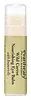
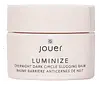
Evanhealy Wild Carrot Nourishing Eye Balm Versus Jouer Cosmetics Luminize Overnight Dark Circle Slugging Balm
This barrier-repair eye moisturizer is formulated around Daucus Carota Sativa Seed Oil and Rosa Rubiginosa Seed Oil to strengthen the skin barrier and hydrate skin.
This brightening eye moisturizer is formulated around Simmondsia Chinensis Seed Oil and Rosa Canina Fruit Oil to fade the look of dark spots and hydrate skin.


What's inside
What's inside
 Key Ingredients
Benefits
Concerns
Ingredients Side-by-side



Simmondsia Chinensis Seed Oil
Emollient





Helianthus Annuus Seed Oil
Emollient
Synthetic Beeswax
Emulsion Stabilising
Theobroma Cacao Seed Butter
Emollient


C18-38 Alkyl Hydroxystearoyl Stearate
EmollientStearic Acid
Cleansing
Butyrospermum Parkii Butter
Skin Conditioning
Lecithin
Emollient
Aluminum Starch Octenylsuccinate
Absorbent
Cocos Nucifera Oil
Masking

Rosa Canina Fruit Oil
Emollient
Persea Gratissima Oil
Skin Conditioning
Hydrogenated Vegetable Oil
Emollient
Prunus Amygdalus Dulcis Oil
Skin Conditioning
Jojoba Esters
Emollient
Helianthus Annuus Seed Cera
Emollient
Water
Skin ConditioningDipropylene Glycol
HumectantTetrahexyldecyl Ascorbate
Antioxidant





Caprylyl Glycol
Emollient
Coffea Arabica Seed Oil
Masking
Tocopheryl Acetate
Antioxidant
Camellia Sinensis Leaf Extract
Antimicrobial

Acacia Decurrens Flower Cera
Emollient
Polyglycerin-3
Humectant
Mannitol
Humectant
Phosphatidylcholine
EmulsifyingGlycerin
Humectant
Phytonadione Epoxide
AstringentCetyl Alcohol
Emollient
Citric Acid
Buffering
Decyl Glucoside
Cleansing
Polysorbate 80
Emulsifying
Potassium Sorbate
Preservative
Sodium Benzoate
Masking
Xanthan Gum
EmulsifyingSodium Chloride
MaskingSimmondsia Chinensis Seed Oil, Helianthus Annuus Seed Oil, Synthetic Beeswax, Theobroma Cacao Seed Butter, C18-38 Alkyl Hydroxystearoyl Stearate, Stearic Acid, Butyrospermum Parkii Butter, Lecithin, Aluminum Starch Octenylsuccinate, Cocos Nucifera Oil, Rosa Canina Fruit Oil, Persea Gratissima Oil, Hydrogenated Vegetable Oil, Prunus Amygdalus Dulcis Oil, Jojoba Esters, Helianthus Annuus Seed Cera, Water, Dipropylene Glycol, Tetrahexyldecyl Ascorbate, Caprylyl Glycol, Coffea Arabica Seed Oil, Tocopheryl Acetate, Camellia Sinensis Leaf Extract, Acacia Decurrens Flower Cera, Polyglycerin-3, Mannitol, Phosphatidylcholine, Glycerin, Phytonadione Epoxide, Cetyl Alcohol, Citric Acid, Decyl Glucoside, Polysorbate 80, Potassium Sorbate, Sodium Benzoate, Xanthan Gum, Sodium Chloride
Reviews
Ingredients Explained
These ingredients are found in both products.
Ingredients higher up in an ingredient list are typically present in a larger amount.
This ingredient is also known as shea butter. It is a plant-derived extract from the nuts of the Africa shea tree and one of the most well-studied emollients.
Because it has a high concentration of fatty acids (primarily oleic, stearic, and linoleic) it is able to form a protective barrier on the skin's surface. This helps seal in moisture and prevents transepidermal water loss (TEWL).
In vitro research found an increase in skin hydration by 58% and a decrease in TEWL by 37.8% after 24 hours of applying this ingredient (pretty impressive for a single ingredient!).
Besides hydration, shea butter also contains triterpenes that have anti-inflammatory potential. In particule, lupeol cinnamate has shown the highest anti-inflammatory activity in vivo.
Shea butter also contains vitamins A and E which may contribute to antioxidant activity.
While Shea Butter has an SPF rating of about 3-4, it is not a sunscreen replacement.
This ingredient may not be fungal acne safe because its fatty acids fall within the C11-C24 range that the Malassezia yeast can metabolize.
This ingredient shows up on a lot of "pore-clogging" lists but there's no real evidence behind that. It doesn't even have a comedogenic rating from an actual study; the numbers you'll find online come from blogs citing other blogs.
Ratings for other ingredients mostly come from a 1980s rabbit ear test. This test doesn't translate well to human skin or to real products because the ingredient sits at a much lower percentage.
Some people still find it breaks them out. So if that's you, definitely trust your skin. Just know this one's based on experience and not evidence.
Learn more about Butyrospermum Parkii ButterThis ingredient is also known as coconut oil. It is a plant-derived ingredient with skin conditioning properties.
The fatty acid profile of coconut oil is mostly lauric acid (~54%), followed by capric, caprylic, palmitic, and myristic acids. This profile allows it to penetrate easily into skin, moisturize, and improve dry skin.
A double-blind study confirmed that extra virgin coconut oil is as effective as mineral oil for treating very dry skin. Another study found it outperformed mineral oil for mild to moderate atopic dermatitis in children.
Another study from 2018 found that virgin coconut oil can soothe inflammation and boost key skin barrier proteins. Just know this evidence is still only from lab settings and not human trials.
It has also been shown to reduce Staphylococcus aureus, a bacteria that commonly overgrows in people with eczema.
Clinical testing shows very minimal skin irritation and no evidence of sensitization or phototoxicity.
Coconut oil gets flagged as a "fragrance" because it has a natural mild scent (not because it's a synthetic perfume). The European Cosmetic ingredient database also lists "perfuming" as a function of this ingredient.
Just so you know, the term "fragrance" is completely unregulated. Some brands still use botanical extracts or essential oils in their "fragrance-free" formulas, but regulatory databases technically classify these under "fragrance".
Coconut oil has a tiny and useless bit of natural SPF. Early lab studies clocked it around SPF 7-8 but a more recent study found the real number closer to SPF 1.2. It also offers no meaningful UVA protection (SPF only overs UVB rays).
The comedogenic rating of 4/5 means it has a high potential to clog pores; but it's worth noting that comedogenicity is highly individual and ratings cannot predict how an overall formula will behave on skin.
Since lauric acid is the dominant fatty acid, this ingredient may not be fungal acne safe. The Malassezia yeast feeds on fatty acids with carbon chain lengths between 11-24, and lauric acid falls within these lengths (C12).
Learn more about Cocos Nucifera OilHelianthus Annuus Seed Oil is a plant oil derived from the seeds of a sunflower.
It is rich in fatty acids, primarily linoleic acid and oleic acid. This gives it emollient and skin conditioning properties.
The reason this ingredient is so effective is because it forms a thin film on the skin that reduces transepidermal water loss (TEWL) while supplying linoleic acid to the stratum corneum to improve barrier strength.
The high linoleic acid content is particularly noteworthy for acne-prone skin.
Research suggests that acne-prone skin tends to be deficient in linoleic acid in sebum. Topical application may help replenish this to support a healthier follicular environment and less comedone-promoting sebum.
One randomized study found sunflower seed oil preserved skin barrier integrity in adult volunteers with and without atopic dermatitis (outperforming olive oil).
This ingredient is well-studied, gentle, and an effective emollient suitable for most skin types.
On fungal acne: This ingredient may not be Fungal acne (Malassezia folliculitis) safe. This is because it contains fatty acids with carbon chain lengths in the C11-C24 range.
Learn more about Helianthus Annuus Seed OilThis ingredient is also known as Avocado oil. It's the cold-pressed oil from the flesh of the avocado fruit packed with fatty acids (mostly oleic acid).
The rich fatty acid profile allows it to function as a skin conditioning agent and emollient; it helps soften and smooth skin while reducing water loss.
Preclinical research has found that topical avocado oil increased collagen synthesis and reduced inflammation during wound healing, giving it some skin-repairing credibility.
The unsaponifiable fraction of the oil is also interesting: studies on avocado unsaponifiables showed that it helped skin produce more collagen and other structural compounds that support healing.
The CIR Expert Panel has found this ingredient to be non-irritating in formulations.
This ingredient may not be fungal acne safe. This is because the oleic acid content falls within the range that Malassezia can use as a food source.
This ingredient does have a comedogenic rating of 0-3, but this doesn't mean a formula with this ingredient will clog pores. Human testing has proved that any finished product with a comedogenic ingredient won't automatically make you break out; it really comes down to concentration, formula, and your skin.
Learn more about Persea Gratissima OilThis ingredient is also known as Cocoa butter; it's the fat pressed out of roasted cocoa beans.
Cocoa butter is solid at room temperature and melts right around body temperature, which is why it feels waxy in the jar and slippery on skin.
It has a very saturated profile (stearic acid ~34 to 36%, oleic acid ~30 to 40%, and palmitic acid ~24 to 29%) that makes it a strong occlusive: it sits on top and slows water escaping from skin.
Concentration data shows that it can show up anywhere from a few percent in lotions up to 100% in balms, and the FDA lists cocoa butter as an OTC skin protectant active at 50-100%.
The CIR has reviewed it and concluded it to be safe as used in cosmetics.
This is one of the ingredients with a comedogenic score of 4/5 from the rabbit ear test. Just know that a later human study did find that finished products containing high-comedogenic ingredients like cocoa butter did not increase microcomedone formation.
The fair call here is that this ingredient is most likely fine on body or low-percentage formulas, but can potentially be riskier as a heavy leave-on facial product if you break out easily.
Cocoa butter may not be fungal acne safe; it is a triglyceride of C16-18 fatty acids that the Malassezia yeast can metabolize.
Allergies to cocoa butter are rare and uncommon, but a few cases have been documented (mostly in cases where the person ate chocolate). So if you have a tree nut allergy, be sure to patch test or avoid.
Learn more about Theobroma Cacao Seed Butter

