

What's inside
What's inside
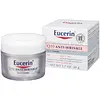 Key Ingredients
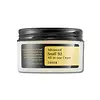
Benefits
Concerns
Ingredients Side-by-side
Ethylhexyl Methoxycinnamate 7.5%
UV Absorber


Ethylhexyl Salicylate 3%
UV Absorber
Benzophenone-3 3%
UV Absorber
Water
Skin ConditioningGlycerin
Humectant



Cyclomethicone
Emollient
Cetyl Alcohol
Emollient

Methylpropanediol
SolventAlcohol Denat.
Antimicrobial



Cetearyl Isononanoate
EmollientGlyceryl Stearate Se
Emulsifying
Palmitic Acid
Emollient
Stearic Acid
Cleansing
Ubiquinone
Antioxidant


Panthenol
Skin Conditioning

Tocopheryl Acetate
Antioxidant
Caprylic/Capric Triglyceride
Masking
Octyldodecanol
Emollient
Phenoxyethanol
Preservative
Ethylhexylglycerin
Skin ConditioningPiroctone Olamine
Preservative
Carbomer
Emulsion StabilisingSodium Hydroxide
BufferingDisodium EDTA
Ethylhexyl Methoxycinnamate 7.5%, Ethylhexyl Salicylate 3%, Benzophenone-3 3%, Water, Glycerin, Cyclomethicone, Cetyl Alcohol, Methylpropanediol, Alcohol Denat., Cetearyl Isononanoate, Glyceryl Stearate Se, Palmitic Acid, Stearic Acid, Ubiquinone, Panthenol, Tocopheryl Acetate, Caprylic/Capric Triglyceride, Octyldodecanol, Phenoxyethanol, Ethylhexylglycerin, Piroctone Olamine, Carbomer, Sodium Hydroxide, Disodium EDTA
Snail Secretion Filtrate
Skin Conditioning
Betaine
Humectant
Caprylic/Capric Triglyceride
Masking
Butylene Glycol
Humectant
Cetearyl Olivate
Sorbitan Olivate
Emulsifying
Cetearyl Alcohol
Emollient
Carbomer
Emulsion StabilisingEthyl Hexanediol
SolventPhenoxyethanol
Preservative
Arginine
Masking
Dimethicone
Emollient
Sodium Polyacrylate
Absorbent
Sodium Hyaluronate
Humectant
Allantoin
Skin Conditioning
Palmitic Acid
Emollient
Panthenol
Skin Conditioning
Xanthan Gum
EmulsifyingStearic Acid
Cleansing
Adenosine
Skin Conditioning
Water
Skin ConditioningMyristic Acid
Cleansing
Snail Secretion Filtrate, Betaine, Caprylic/Capric Triglyceride, Butylene Glycol, Cetearyl Olivate, Sorbitan Olivate, Cetearyl Alcohol, Carbomer, Ethyl Hexanediol, Phenoxyethanol, Arginine, Dimethicone, Sodium Polyacrylate, Sodium Hyaluronate, Allantoin, Palmitic Acid, Panthenol, Xanthan Gum, Stearic Acid, Adenosine, Water, Myristic Acid
Reviews
Ingredients Explained
These ingredients are found in both products.
Ingredients higher up in an ingredient list are typically present in a larger amount.
This ingredient is an emollient, solvent, and texture enhancer. It is considered a skin-softener by helping the skin prevent moisture loss.
It helps thicken a product's formula and makes it easier to spread by dissolving clumping compounds.
Caprylic Triglyceride is made by combining glycerin with coconut oil, forming a clear liquid.
While there is an assumption Caprylic Triglyceride can clog pores due to it being derived from coconut oil, there is no research supporting this.
Learn more about Caprylic/Capric TriglycerideCarbomer is a polymer of acrylic acid. Its main role is to create a gel consistency.
A high amount of carbomer can cause pilling or balling up of products. Don't worry, most products contain 1% or less of carbomer.
Palmitic Acid is a fatty acid naturally found in our skin and in many plant and animal sources. In cosmetics, it is usually derived from palm oil. It serves many purposes in skincare, acting as a cleanser, emollient, and emulsifier.
As an emollient, palmitic acid helps soften and smooth the skin by preventing water loss. In cleansers, it helps remove oil and dirt while creating foam.
Its emulsifying properties help stabilize products by keeping water and oil-based ingredients from separating.
This may not be suitable for fungal acne-prone skin, as fatty acids like this can sometimes trigger breakouts in sensitive individuals.
Learn more about Palmitic AcidPanthenol is a common ingredient that helps hydrate and soothe the skin. It is found naturally in our skin and hair.
There are two forms of panthenol: D and L.
D-panthenol is also known as dexpanthenol. Most cosmetics use dexpanthenol or a mixture of D and L-panthenol.
Panthenol is famous due to its ability to go deeper into the skin's layers. Using this ingredient has numerous pros (and no cons):
Like hyaluronic acid, panthenol is a humectant. Humectants are able to bind and hold large amounts of water to keep skin hydrated.
This ingredient works well for wound healing. It works by increasing tissue in the wound and helps close open wounds.
Once oxidized, panthenol converts to pantothenic acid. Panthothenic acid is found in all living cells.
This ingredient is also referred to as pro-vitamin B5.
Learn more about PanthenolPhenoxyethanol is a preservative that has germicide, antimicrobial, and aromatic properties. Studies show that phenoxyethanol can prevent microbial growth. By itself, it has a scent that is similar to that of a rose.
It's often used in formulations along with Caprylyl Glycol to preserve the shelf life of products.
Stearic Acid is a fatty acid. It is an emollient, emulsifier, and texture enhancer.
As an emollient, stearic acid helps soften skin. It aids the skin's protective barrier by preventing water loss. It also provides a gentle cleansing effect without stripping away natural oils.
Stearic acid may also be used to enhance the texture of products. It can add volume and stabilize ingredients such as water and oil. This can help water and oil ingredients from separating.
Sources of stearic acid include animal or vegetable fats/oils such as coconut or shea. It can be naturally found in butter, cocoa butter, shea butter, vegetable fats, and animal tallow.
This ingredient may not be Malassezia folliculitis, or fungal-acne safe.
Learn more about Stearic AcidWater. It's the most common cosmetic ingredient of all. You'll usually see it at the top of ingredient lists, meaning that it makes up the largest part of the product.
So why is it so popular? Water most often acts as a solvent - this means that it helps dissolve other ingredients into the formulation.
You'll also recognize water as that liquid we all need to stay alive. If you see this, drink a glass of water. Stay hydrated!
Learn more about Water
