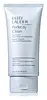
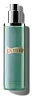
Estée Lauder Perfectly Clean Multi-Action Foam Cleanser/Purifying Mask Versus La Mer The Cleansing Oil

What's inside
What's inside
 Key Ingredients
Benefits
Concerns
Ingredients Side-by-side
Water
Skin ConditioningMyristic Acid
Cleansing




Glycerin
Humectant

Behenic Acid
Cleansing
Potassium Hydroxide
BufferingPalmitic Acid
Emollient
Sodium Methyl Cocoyl Taurate
Cleansing
Lauric Acid
Cleansing
Stearic Acid
Cleansing
Sucrose
Humectant
Montmorillonite
AbsorbentSilybum Marianum Extract
Skin Conditioning
Gentiana Lutea Root Extract
Skin ConditioningAlgae Extract
EmollientSodium Hyaluronate
Humectant

Sorbitol
Humectant
Caffeine
Skin Conditioning
Zinc PCA
Humectant



PEG-3 Distearate
Emulsifying
Kaolin
Abrasive
Parfum
Masking


Disodium EDTA
Methylchloroisothiazolinone
Preservative
Methylisothiazolinone
Preservative
Water, Myristic Acid, Glycerin, Behenic Acid, Potassium Hydroxide, Palmitic Acid, Sodium Methyl Cocoyl Taurate, Lauric Acid, Stearic Acid, Sucrose, Montmorillonite, Silybum Marianum Extract, Gentiana Lutea Root Extract, Algae Extract, Sodium Hyaluronate, Sorbitol, Caffeine, Zinc PCA, PEG-3 Distearate, Kaolin, Parfum, Disodium EDTA, Methylchloroisothiazolinone, Methylisothiazolinone
Caprylic/Capric Triglyceride
Masking
Polysorbate 85
Emulsifying
Isononyl Isononanoate
EmollientSqualane
Emollient
C12-15 Alkyl Benzoate
AntimicrobialSorbitan Trioleate
Emulsifying
Algae Extract
EmollientSesamum Indicum Seed Oil
Emollient
Medicago Sativa Seed Powder
Skin ConditioningHelianthus Annuus Seedcake
Abrasive
Prunus Amygdalus Dulcis Seed Meal
Abrasive
Eucalyptus Globulus Leaf Oil
Perfuming

Sodium Gluconate
Skin ConditioningCopper Gluconate
Skin Conditioning
Calcium Gluconate
HumectantMagnesium Gluconate
Skin ConditioningZinc Gluconate
Skin Conditioning
Tocopheryl Succinate
Antioxidant
Niacin
SmoothingSesamum Indicum Seed Powder
Skin ConditioningLaminaria Digitata Extract
Skin Protecting
Crithmum Maritimum Extract
Skin ConditioningChlorella Vulgaris Extract
Skin ConditioningVitis Vinifera Seed Oil
Emollient
Maris Sal
Skin ConditioningPearl Powder
Plankton Extract
Skin ConditioningTocopheryl Acetate
Antioxidant

Tourmaline
Glycerin
Humectant
Neopentyl Glycol Dicaprate
EmollientSilica
Abrasive
Isopropyl Palmitate
Emollient
Quaternium-90 Bentonite
Propylene Carbonate
SolventParfum
Masking
Benzyl Salicylate
Perfuming
Linalool
Perfuming
Butylphenyl Methylpropional
Perfuming
Benzyl Benzoate
Antimicrobial
Limonene
Perfuming
Alpha-Isomethyl Ionone
Perfuming
Mica
Cosmetic ColorantCI 61565
Cosmetic ColorantCI 60725
Cosmetic ColorantCI 77891
Cosmetic ColorantCaprylic/Capric Triglyceride, Polysorbate 85, Isononyl Isononanoate, Squalane, C12-15 Alkyl Benzoate, Sorbitan Trioleate, Algae Extract, Sesamum Indicum Seed Oil, Medicago Sativa Seed Powder, Helianthus Annuus Seedcake, Prunus Amygdalus Dulcis Seed Meal, Eucalyptus Globulus Leaf Oil, Sodium Gluconate, Copper Gluconate, Calcium Gluconate, Magnesium Gluconate, Zinc Gluconate, Tocopheryl Succinate, Niacin, Sesamum Indicum Seed Powder, Laminaria Digitata Extract, Crithmum Maritimum Extract, Chlorella Vulgaris Extract, Vitis Vinifera Seed Oil, Maris Sal, Pearl Powder, Plankton Extract, Tocopheryl Acetate, Tourmaline, Glycerin, Neopentyl Glycol Dicaprate, Silica, Isopropyl Palmitate, Quaternium-90 Bentonite, Propylene Carbonate, Parfum, Benzyl Salicylate, Linalool, Butylphenyl Methylpropional, Benzyl Benzoate, Limonene, Alpha-Isomethyl Ionone, Mica, CI 61565, CI 60725, CI 77891
Alternatives
Ingredients Explained
These ingredients are found in both products.
Ingredients higher up in an ingredient list are typically present in a larger amount.
Algae Extract is a confusing name. This is because algae is an informal term for a group of 30,000 aquatic organisms that can photosynthesize.
The term 'algae extract' can refer to any one, or a blend of, the 30,000 types.
Algae is rich in antioxidants. Antioxidants help fight free-radicals. Free-radicals are molecules that may damage your skin cells, such as pollution.
Algae can also help with soothing and hydrating skin.
Many different types of algae have different benefits.
Learn more about Algae ExtractGlycerin (or glycerol) is a compound naturally found in your skin. It's a powerhouse humectant that pulls water into the stratum corneum.
Topically, glycerin does several things at once:
Your skin makes glycerin on its own (mostly from sebaceous oil breakdown) and shuttles it to your outermost layer of skin, or your epidermis, via aquaporin-3.
Aquaporin-3 is a transporter that is essential for normal skin hydration, elasticity, and repair. Interestingly, mice lacking in AQP3 have dry and less elastic skin that can be fully corrected with glycerin.
This ingredient is non-irritating, plays well with almost every ingredient, and works across all skin types. Typical use is anywhere between 3-10% but can go up to 79% in some leave-on products.
Just know very high concentrations (>40%) can feel tacky in low humidity.
Glycerin is the name for this ingredient in American English. British English uses Glycerol/Glycerine.
Learn more about GlycerinParfum is a catch-all term for an ingredient or more that is used to give a scent to products.
Also called "fragrance", this ingredient can be a blend of hundreds of chemicals or plant oils. This means every product with "fragrance" or "parfum" in the ingredients list is a different mixture.
For instance, Habanolide is a proprietary trade name for a specific aroma chemical. When used as a fragrance ingredient in cosmetics, most aroma chemicals fall under the broad labeling category of “FRAGRANCE” or “PARFUM” according to EU and US regulations.
The term 'parfum' or 'fragrance' is not regulated in many countries. In many cases, it is up to the brand to define this term.
For instance, many brands choose to label themselves as "fragrance-free" because they are not using synthetic fragrances. However, their products may still contain ingredients such as essential oils that are considered a fragrance by INCI standards.
One example is Calendula flower extract. Calendula is an essential oil that still imparts a scent or 'fragrance'.
Depending on the blend, the ingredients in the mixture can cause allergies and sensitivities on the skin. Some ingredients that are known EU allergens include linalool and citronellol.
Parfum can also be used to mask or cover an unpleasant scent.
The bottom line is: not all fragrances/parfum/ingredients are created equally. If you are worried about fragrances, we recommend taking a closer look at an ingredient. And of course, we always recommend speaking with a professional.
Learn more about Parfum

