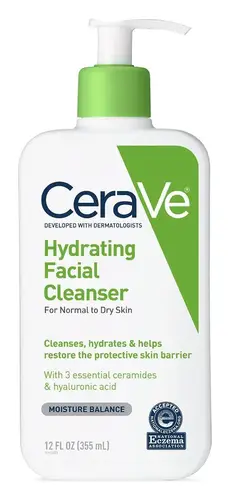
Estée Lauder Nutritious Airy Lotion Moisturizer Versus Clinique Dramatically Different Moisturizing Lotion+
This oil-control moisturizer is formulated around Niacinamide and Lactobacillus Ferment to balance excess oil.
This barrier-repair moisturizer is formulated around Petrolatum and Urea to strengthen the skin barrier and hydrate skin.

What's inside
What's inside
 Key Ingredients
Benefits
Concerns
Ingredients Side-by-side
Water
Skin ConditioningCoco-Caprylate/Caprate
Emollient
Propylene Glycol Dicaprylate/Dicaprate
EmollientPropanediol
Solvent

Glycerin
Humectant
Niacinamide
Smoothing









Polyglyceryl-3 Methylglucose Distearate
Emulsifying

Butylene Glycol
Humectant
Laminaria Saccharina Extract
Skin Protecting

Porphyridium Cruentum Extract
Skin ConditioningLactobacillus Ferment
Skin Conditioning
Hydrolyzed Rice Extract
Skin Conditioning
Punica Granatum Extract
AstringentZinc PCA
Humectant
Dipotassium Glycyrrhizate
Humectant
Camellia Sinensis Leaf Extract
Antimicrobial
Sodium Hyaluronate
Humectant
Caffeine
Skin Conditioning
Narcissus Tazetta Bulb Extract
Astringent

Cucumis Sativus Fruit Extract
Emollient
Helianthus Annuus Seed Extract
Skin Conditioning
Hordeum Vulgare Extract
EmollientSucrose
Humectant
Tocopheryl Acetate
Antioxidant
Sodium Phytate
ChelatingCitric Acid
Buffering
Propylene Glycol Dicaprate
EmollientCaprylyl Glycol
Emollient
Dicaprylyl Carbonate
EmollientHexylene Glycol
EmulsifyingHydrogenated Lecithin
Emulsifying
Potassium Cetyl Phosphate
EmulsifyingGlyceryl Stearate
Emollient
Sodium Hydroxide
BufferingSodium Benzoate
Masking
Acrylates/C10-30 Alkyl Acrylate Crosspolymer
Emulsion StabilisingAmmonium Acryloyldimethyltaurate/Vp Copolymer
Phenoxyethanol
Preservative
Water, Coco-Caprylate/Caprate, Propylene Glycol Dicaprylate/Dicaprate, Propanediol, Glycerin, Niacinamide, Polyglyceryl-3 Methylglucose Distearate, Butylene Glycol, Laminaria Saccharina Extract, Porphyridium Cruentum Extract, Lactobacillus Ferment, Hydrolyzed Rice Extract, Punica Granatum Extract, Zinc PCA, Dipotassium Glycyrrhizate, Camellia Sinensis Leaf Extract, Sodium Hyaluronate, Caffeine, Narcissus Tazetta Bulb Extract, Cucumis Sativus Fruit Extract, Helianthus Annuus Seed Extract, Hordeum Vulgare Extract, Sucrose, Tocopheryl Acetate, Sodium Phytate, Citric Acid, Propylene Glycol Dicaprate, Caprylyl Glycol, Dicaprylyl Carbonate, Hexylene Glycol, Hydrogenated Lecithin, Potassium Cetyl Phosphate, Glyceryl Stearate, Sodium Hydroxide, Sodium Benzoate, Acrylates/C10-30 Alkyl Acrylate Crosspolymer, Ammonium Acryloyldimethyltaurate/Vp Copolymer, Phenoxyethanol
Water
Skin ConditioningParaffinum Liquidum
Emollient

Glycerin
Humectant
Petrolatum
Emollient
Stearic Acid
Cleansing
Glyceryl Stearate
Emollient
Sesamum Indicum Seed Oil
Emollient
Urea
Buffering
Lanolin Alcohol
Emollient
Triethanolamine
BufferingHordeum Vulgare Extract
EmollientCucumis Sativus Fruit Extract
Emollient
Helianthus Annuus Seedcake
Abrasive
Propylene Glycol Dicaprate
EmollientSodium Hyaluronate
Humectant
Butylene Glycol
Humectant
Pentylene Glycol
Skin Conditioning
Trisodium EDTA
ChelatingPhenoxyethanol
Preservative
CI 15985
Cosmetic ColorantCI 19140
Cosmetic ColorantCI 17200
Cosmetic ColorantWater, Paraffinum Liquidum, Glycerin, Petrolatum, Stearic Acid, Glyceryl Stearate, Sesamum Indicum Seed Oil, Urea, Lanolin Alcohol, Triethanolamine, Hordeum Vulgare Extract, Cucumis Sativus Fruit Extract, Helianthus Annuus Seedcake, Propylene Glycol Dicaprate, Sodium Hyaluronate, Butylene Glycol, Pentylene Glycol, Trisodium EDTA, Phenoxyethanol, CI 15985, CI 19140, CI 17200
Reviews
Ingredients Explained
These ingredients are found in both products.
Ingredients higher up in an ingredient list are typically present in a larger amount.
Butylene Glycol (or BG) is used within cosmetic products for a few different reasons:
Overall, Butylene Glycol is a safe and well-rounded ingredient that works well with other ingredients.
Though this ingredient works well with most skin types, some people with sensitive skin may experience a reaction such as allergic rashes, closed comedones, or itchiness.
Learn more about Butylene GlycolThis extract comes from cucumber. Cucumbers are mostly made up of water (95%), and the other 5% is composed of: vitamin C, caffeic acid, fatty acids, amino acids, and other minerals.
Cucumbers have anti-inflammatory, barrier repair, and hydrating properties.
They contain shikimate dehydrigenase, an enzyme shown to help reduce inflammation and soothe the skin.
The amino acids found in cucumbers help nourish our skin's natural acid mantle (it's an important part of our skin barrier). This slightly acidic film acts as a barrier to protect us from bacteria, viruses, and other contaminants.
Unless you have an allergy to cucumbers, this is generally a non-irritating ingredient.
Fun fact: Cucumis Sativus is native to South Asia and can now be found on every continent.
Learn more about Cucumis Sativus Fruit ExtractGlycerin (or glycerol) is a compound naturally found in your skin. It's a powerhouse humectant that pulls water into the stratum corneum.
Topically, glycerin does several things at once:
Your skin makes glycerin on its own (mostly from sebaceous oil breakdown) and shuttles it to your outermost layer of skin, or your epidermis, via aquaporin-3.
Aquaporin-3 is a transporter that is essential for normal skin hydration, elasticity, and repair. Interestingly, mice lacking in AQP3 have dry and less elastic skin that can be fully corrected with glycerin.
This ingredient is non-irritating, plays well with almost every ingredient, and works across all skin types. Typical use is anywhere between 3-10% but can go up to 79% in some leave-on products.
Just know very high concentrations (>40%) can feel tacky in low humidity.
Glycerin is the name for this ingredient in American English. British English uses Glycerol/Glycerine.
Learn more about GlycerinGlyceryl Stearate is made by reacting glycerin with stearic acid (typically sourced from plant oils like palm or coconut). It's an emulsifier, emollient, and mild occlusive.
Emulsifiers help ingredients like oil and water stay mixed so your formula stays nicely blended and uniform in texture.
This ingredient is typically used in concentrations between 1-10%. Studies have found it to be non-sensitizing, non-phototoxic, and non-photoallergenic.
A close cousin of this ingredient is Glyceryl Stearate SE ("self-emulsifying"). This just has a small amount of sodium or potassium stearate added so it can emulsify without a co-emulsifier.
Since this ingredient is an ester of a C18 fatty acid, it may not be fungal acne safe. The Malassezia yeast can potentially metabolize within the C11-C24 range.
Fun fact: The human body also creates Glyceryl Stearate naturally.
Learn more about Glyceryl StearateHordeum Vulgare Extract is an extract of barley, the same grain used in beer and bread.
In skincare, it is a skin conditioning and hydrating agent. This ingredient contains polyphenols, vitamin E, and trace minerals like zinc, copper, and selenium that help neutralize free radicals behind oxidative skin stress.
Lab studies on human skin cells show it can support the skin barrier, boost cell survival, and speed repair after UV exposure.
The Cosmetic Ingredient Review Expert Panel has reviewed 16 barley-derived ingredients and concluded they're safe as used with the highest reported use concentration being 1.5% (in leave-on body/hand products).
Patch testing has also found it not to be a skin irritant or sensitizer at cosmetic levels.
However, barley is a recognized food allergen so people with a known barley/grain allergy should approach it cautiously.
Note: This ingredient is not gluten-free for those avoiding gluten for skin-contact reasons.
Learn more about Hordeum Vulgare ExtractPhenoxyethanol is one of the most widely used preservatives in skincare (and for good reason!).
It has a large spectrum of antimicrobial activity and especially effective bacteria, yeast, and mold while only having a weak effect on your skin's natural microbiome.
On a cellular level, it disrupts the cell membranes of microbes by poking holes that make the cell leak. This shuts down the chemical reactions the microbe needs to make energy so it can no longer survive.
Another perk of this ingredient is that it stays functional across a wide pH range (3-10).
You'll often see it paired with boosters like Ethylhexylglycerin; one study showed that a 1:9 ratio of Ethylhexylglycerin to Phenoxyethanol damages bacterial membranes as effectively as doubling the Phenoxyethanol concentration on its own.
Typical use concentrations range from 0.3-1% depending on the formula, and this ingredient is capped at 1% int the EU.
Safety-wise, the fear mongering does not hold up to the evidence. The EU's Scientific Committee on Consumer Safety and FDA consider it safe as a preservative at up to 1%, including for children of all ages.
Adverse systemic effects only showed up in animal studies at exposures roughly 200x higher than what people get from cosmetics. And despite its very widespread use, this ingredient is a rare sensitizer and allergic reactions are uncommon.
Learn more about PhenoxyethanolPropylene Glycol Dicaprate is an emollient and emulsifier. It is created from a mixture of fatty acids.
Sodium Hyaluronate is the salt form of hyaluronic acid. It is a long sugar chain that is naturally found in your skin, joints, and connective tissue that maintains hydration and elasticity.
In skincare, it works as a humectant. It pulls water from the environment and deeper layers of skin and binds it to the surface.
Interestingly, the size of the molecule affects its behavior:
Some clinical evidence links low molecular weight versions to improved wrinkle depth, elasticity, anti-inflammatory effects, and barrier repair.
Many serums use a blend of both weights so you can get surface hydration plus longer-lasting and deeper effects.
You'll typically see concentrations between 0.1-2% for this ingredient.
Learn more about Sodium HyaluronateWater. It's the most common cosmetic ingredient of all. You'll usually see it at the top of ingredient lists, meaning that it makes up the largest part of the product.
So why is it so popular? Water most often acts as a solvent - this means that it helps dissolve other ingredients into the formulation.
You'll also recognize water as that liquid we all need to stay alive. If you see this, drink a glass of water. Remember to stay hydrated!
Learn more about Water