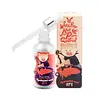
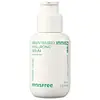
Elizavecca Witch Piggy Hell Pore Control Hyaluronic Acid 97% Versus innisfree Green Tea Seed Hyaluronic Serum
This hydrating treatment is formulated around Sodium Hyaluronate and Niacinamide to hydrate skin and refine the look of pores.
This hydrating serum is formulated around Niacinamide and Camellia Sinensis Seed Oil to hydrate skin and strengthen the skin barrier.

What's inside
What's inside
 Key Ingredients
Benefits
Concerns
Ingredients Side-by-side
Water
Skin ConditioningPropanediol
Solvent

Glycerin
Humectant
1,2-Hexanediol
Skin Conditioning
Niacinamide
Smoothing









Betaine
Humectant
Saccharide Isomerate
Humectant
Camellia Sinensis Seed Oil
Humectant


Xylitol
Humectant
Cetearyl Olivate
Hydrogenated Lecithin
Emulsifying
Butylene Glycol
Humectant
Sorbitan Olivate
Emulsifying
Lactobacillus Ferment Lysate
Skin Conditioning
Acrylates/C10-30 Alkyl Acrylate Crosspolymer
Emulsion StabilisingSqualane
Emollient
Panthenol
Skin Conditioning
Allantoin
Skin Conditioning
Hydroxyethyl Acrylate/Sodium Acryloyldimethyl Taurate Copolymer
Emulsion StabilisingTromethamine
BufferingEthylhexylglycerin
Skin ConditioningCeratonia Siliqua Gum
EmollientSodium Metaphosphate
BufferingCamellia Sinensis Leaf Extract
Antimicrobial
Dipotassium Glycyrrhizate
Humectant
Sodium Hyaluronate
Humectant
Hyaluronic Acid
Humectant
Dextrin
AbsorbentTheobroma Cacao Extract
Skin Conditioning3-O-Ethyl Ascorbic Acid
Skin Conditioning
Sorbitan Isostearate
Emulsifying
Sodium Citrate
BufferingCitric Acid
Buffering
Glyceryl Oleate
Emollient

Tocopherol
Antioxidant
Lecithin
Emollient
Sucrose
Humectant
Lauryl Glucoside
CleansingPolyglyceryl-6 Laurate
Emulsifying
Myristyl Glucoside
CleansingXanthan Gum
EmulsifyingLactic Acid
Buffering

Hydrolyzed Hyaluronic Acid
Humectant
Sodium Hyaluronate Crosspolymer
Humectant
Sodium Acetylated Hyaluronate
Humectant
Water, Propanediol, Glycerin, 1,2-Hexanediol, Niacinamide, Betaine, Saccharide Isomerate, Camellia Sinensis Seed Oil, Xylitol, Cetearyl Olivate, Hydrogenated Lecithin, Butylene Glycol, Sorbitan Olivate, Lactobacillus Ferment Lysate, Acrylates/C10-30 Alkyl Acrylate Crosspolymer, Squalane, Panthenol, Allantoin, Hydroxyethyl Acrylate/Sodium Acryloyldimethyl Taurate Copolymer, Tromethamine, Ethylhexylglycerin, Ceratonia Siliqua Gum, Sodium Metaphosphate, Camellia Sinensis Leaf Extract, Dipotassium Glycyrrhizate, Sodium Hyaluronate, Hyaluronic Acid, Dextrin, Theobroma Cacao Extract, 3-O-Ethyl Ascorbic Acid, Sorbitan Isostearate, Sodium Citrate, Citric Acid, Glyceryl Oleate, Tocopherol, Lecithin, Sucrose, Lauryl Glucoside, Polyglyceryl-6 Laurate, Myristyl Glucoside, Xanthan Gum, Lactic Acid, Hydrolyzed Hyaluronic Acid, Sodium Hyaluronate Crosspolymer, Sodium Acetylated Hyaluronate
Reviews
Ingredients Explained
These ingredients are found in both products.
Ingredients higher up in an ingredient list are typically present in a larger amount.
1,2-Hexanediol is a synthetic liquid and another multi-functional powerhouse.
It is a:
- Humectant, drawing moisture into the skin
- Emollient, helping to soften skin
- Solvent, dispersing and stabilizing formulas
- Preservative booster, enhancing the antimicrobial activity of other preservatives
Allantoin is a soothing ingredient known for its protective and moisturizing properties; it's basically a quiet workhorse ingredient you can find in a huge range of cosmetics.
Though it can be derived from the comfrey plant, allantoin is produced synthetically for cosmetic products to ensure purity.
Research shows it can encourage your skin cells to turn over and renew by stimulating keratinocyte and fibroblast proliferation.
It also has mild keratolytic properties to help loosen and shed dead skin cells without being harsh.
Studies also suggest allantoin can help calm inflammation by dialing down some of the chemical signals your skin sends out when it is irritated.
This ingredient is typically used in the 0.1-0.5% range, and the FDA recognizes it as a skin protectant in OTC products up to 2%.
Overall, allantoin is a wonderful addition to most routines; it is stable across a wide pH range (~4-8), works well with other ingredients, and is considered non-sensitizing/non-irritating.
Fun fact: Allantoin is naturally occurring in comfrey root, beets, chamomile, and wheat sprouts. Our bodies even produce it as a byproduct of uric acid metabolism.
Learn more about AllantoinNiacinamide is a multitasking form of vitamin B3 that strengthens the skin barrier, reduces pores and dark spots, regulates oil, and improves signs of aging.
And the best part? It's gentle and well-tolerated by most skin types, including sensitive and reactive skin.
You might have heard of "niacin flush", or the reddening of skin that causes itchiness. Niacinamide has not been found to cause this.
In very rare cases, some individuals may not be able to tolerate niacinamide at all or experience an allergic reaction to it.
If you are experiencing flaking, irritation, and dryness with this ingredient, be sure to double check all your products as this ingredient can be found in all categories of skincare.
When incorporating niacinamide into your routine, look out for concentration amounts. Typically, 5% niacinamide provides benefits such as fading dark spots. However, if you have sensitive skin, it is better to begin with a smaller concentration.
When you apply niacinamide to your skin, your body converts it into nicotinamide adenine dinucleotide (NAD). NAD is an essential coenzyme that is already found in your cells as "fuel" and powers countless biological processes.
In your skin, NAD helps repair cell damage, produce new healthy cells, support collagen production, strengthen the skin barrier, and fight environmental stressors (like UV and pollution).
Our natural NAD levels start to decline with age, leading to slower skin repair, visible aging, and a weaker skin barrier. By providing your skin niacinamide, you're recharging your skin's NAD levels. This leads to stronger, healthier, and younger looking skin.
Another name for vitamin B3 is nicotinamide. This vitamin is water-soluble and our bodies don't store it. We obtain Vitamin B3 from either food or skincare. Meat, fish, wheat, yeast, and leafy greens contain vitamin B3.
The type of niacinamide used in skincare is synthetically created.
Learn more about NiacinamideSodium Hyaluronate is the salt form of hyaluronic acid. It is a long sugar chain that is naturally found in your skin, joints, and connective tissue that maintains hydration and elasticity.
In skincare, it works as a humectant. It pulls water from the environment and deeper layers of skin and binds it to the surface.
Interestingly, the size of the molecule affects its behavior:
Some clinical evidence links low molecular weight versions to improved wrinkle depth, elasticity, anti-inflammatory effects, and barrier repair.
Many serums use a blend of both weights so you can get surface hydration plus longer-lasting and deeper effects.
You'll typically see concentrations between 0.1-2% for this ingredient.
Learn more about Sodium Hyaluronate

