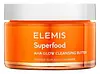
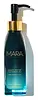
Elemis Superfood AHA Glow Cleansing Butter Versus MARA Beauty Chia + Moringa® Algae Enzyme Cleansing Oil
This oil-based makeup remover is made to dissolve makeup, sunscreen, and daily buildup.
This oil-based makeup remover is made to dissolve makeup, sunscreen, and daily buildup.


What's inside
What's inside
 Key Ingredients
Benefits
Concerns
Ingredients Side-by-side
Caprylic/Capric Triglyceride
Masking


Glycerin
Humectant
Water
Skin ConditioningPolyglyceryl-3 Methylglucose Distearate
Emulsifying

Polysorbate 80
Emulsifying
Cetearyl Olivate
Sorbitan Olivate
Emulsifying
Hydroxyacetophenone
Antioxidant
Phenoxyethanol
Preservative
Acrylates/Beheneth-25 Methacrylate Copolymer
Mangifera Indica Seed Butter
Skin Conditioning
Salvia Hispanica Seed Oil
Emollient
Lactobacillus/Acerola Cherry Ferment
Skin ProtectingLactobacillus/Pumpkin Fruit Ferment Filtrate
Skin ConditioningSaccharomyces/Rice Ferment Filtrate
Skin Conditioning
Camellia Sinensis Seed Oil
Humectant
Candida Bombicola/Glucose/Methyl Rapeseedate Ferment
AntimicrobialSodium Hydroxide
BufferingHelianthus Annuus Seed Oil
Emollient
Beta-Carotene
Skin ConditioningCapsanthin/Capsorubin
Cosmetic ColorantButylene Glycol
Humectant
Tocopherol
Antioxidant




Leuconostoc/Radish Root Ferment Filtrate
Antimicrobial
Olea Europaea Fruit Oil
Masking


1,2-Hexanediol
Skin Conditioning
Polyglyceryl-3 Diisostearate
Emulsifying
Ascorbyl Palmitate
Antioxidant
Rosmarinus Officinalis Leaf Extract
AntimicrobialAscorbic Acid
Antioxidant
Caprylic/Capric Triglyceride, Glycerin, Water, Polyglyceryl-3 Methylglucose Distearate, Polysorbate 80, Cetearyl Olivate, Sorbitan Olivate, Hydroxyacetophenone, Phenoxyethanol, Acrylates/Beheneth-25 Methacrylate Copolymer, Mangifera Indica Seed Butter, Salvia Hispanica Seed Oil, Lactobacillus/Acerola Cherry Ferment, Lactobacillus/Pumpkin Fruit Ferment Filtrate, Saccharomyces/Rice Ferment Filtrate, Camellia Sinensis Seed Oil, Candida Bombicola/Glucose/Methyl Rapeseedate Ferment, Sodium Hydroxide, Helianthus Annuus Seed Oil, Beta-Carotene, Capsanthin/Capsorubin, Butylene Glycol, Tocopherol, Leuconostoc/Radish Root Ferment Filtrate, Olea Europaea Fruit Oil, 1,2-Hexanediol, Polyglyceryl-3 Diisostearate, Ascorbyl Palmitate, Rosmarinus Officinalis Leaf Extract, Ascorbic Acid
Simmondsia Chinensis Seed Oil
Emollient
Caprylic/Capric Triglyceride
Masking
Helianthus Annuus Seed Oil
Emollient
Moringa Oleifera Seed Oil
Emollient
Squalane
Emollient
Polyglyceryl-3 Laurate
EmulsifyingPolyglyceryl-2 Caprate
EmulsifyingSilica
Abrasive


Aloe Barbadensis Extract
Skin Conditioning
Carica Papaya Fruit Extract
Skin ConditioningChamomilla Recutita Flower Extract
Masking
Chondrus Crispus Extract
Skin Conditioning
Citrus Grandis Fruit Extract
Astringent
Lactobacillus/Pumpkin Ferment Extract
Skin ConditioningLaminaria Digitata Extract
Skin Protecting
Spirulina Maxima Extract
SmoothingCitrus Aurantium Bergamia Fruit Oil
Masking

Salvia Hispanica Seed Oil
Emollient
Bromelain
Skin Conditioning
Tocopheryl Acetate
Antioxidant
Maltodextrin
Absorbent
Leuconostoc/Radish Root Ferment Filtrate
Antimicrobial
Limonene
Perfuming
Simmondsia Chinensis Seed Oil, Caprylic/Capric Triglyceride, Helianthus Annuus Seed Oil, Moringa Oleifera Seed Oil, Squalane, Polyglyceryl-3 Laurate, Polyglyceryl-2 Caprate, Silica, Aloe Barbadensis Extract, Carica Papaya Fruit Extract, Chamomilla Recutita Flower Extract, Chondrus Crispus Extract, Citrus Grandis Fruit Extract, Lactobacillus/Pumpkin Ferment Extract, Laminaria Digitata Extract, Spirulina Maxima Extract, Citrus Aurantium Bergamia Fruit Oil, Salvia Hispanica Seed Oil, Bromelain, Tocopheryl Acetate, Maltodextrin, Leuconostoc/Radish Root Ferment Filtrate, Limonene
Reviews
Ingredients Explained
These ingredients are found in both products.
Ingredients higher up in an ingredient list are typically present in a larger amount.
Caprylic/Capric Triglyceride (aka MCT Oil) is a lightweight emollient, solvent, and texture enhancer. It is considered a skin-softener by helping to prevent moisture loss.
Though it behaves like an oil, it is not technically one due to its chemical composition. One perk of this ingredient is that it is very stable, resistant to oxidation, and unlikely to go rancid.
In practice, that translates to a long shelf life and a consistently elegant skin feel.
While there is an assumption Caprylic Triglyceride can clog pores due to it being derived from coconut oil, there is no research supporting this. Just patch test if you have concerns.
Fractionated coconut oil and MCT Oil are both listed as Caprylic/Capric Triglyceride according to INCI. This is because INCI names are based on the ingredient’s final chemical composition and not its marketing name or source.
This ingredient is treated as the gold standard fungal acne safe oil. Even though it is coconut derived, the problematic lauric acid is stripped out.
This leaves just caprylic (C8) and capric (C10) acid. These chain lengths actually trend antifungal; a 2020 study found caprylic acid was enough to disrupt Malassezia furfur cell membrane, with a caprylic acid derivative damaging membrane structures at concentrations as low as 0.2%.
Learn more about Caprylic/Capric TriglycerideHelianthus Annuus Seed Oil is a plant oil derived from the seeds of a sunflower.
It is rich in fatty acids, primarily linoleic acid and oleic acid. This gives it emollient and skin conditioning properties.
The reason this ingredient is so effective is because it forms a thin film on the skin that reduces transepidermal water loss (TEWL) while supplying linoleic acid to the stratum corneum to improve barrier strength.
The high linoleic acid content is particularly noteworthy for acne-prone skin.
Research suggests that acne-prone skin tends to be deficient in linoleic acid in sebum. Topical application may help replenish this to support a healthier follicular environment and less comedone-promoting sebum.
One randomized study found sunflower seed oil preserved skin barrier integrity in adult volunteers with and without atopic dermatitis (outperforming olive oil).
This ingredient is well-studied, gentle, and an effective emollient suitable for most skin types.
On fungal acne: This ingredient may not be Fungal acne (Malassezia folliculitis) safe. This is because it contains fatty acids with carbon chain lengths in the C11-C24 range.
Learn more about Helianthus Annuus Seed OilLeuconostoc/Radish Root Ferment Filtrate is a natural preservative. It comes from fermenting radish roots with a bacteria called leuconostoc. The trade name for this ingredient is Leucidal.
Leuconostoc comes from lactic acid.
This ingredient has antimicrobial properties and helps prevent the growth of bacteria in a product.
Leuconostoc is used to make the traditional Korean side-dish, kimchi. It is also used to make sourdough bread (both incredibly yummy foods).
Learn more about Leuconostoc/Radish Root Ferment FiltrateThis ingredient is also known as Chia Seed Oil. It is rich in fatty acids, especially linolenic acid and linoleic acid.
Research shows topical application of chia seed oil improves skin hydration and barrier function. In vitro studies show the chia seed oil especially rich in linolenic acid can increase the skin's natural ability to hydrate and even boost natural hyaluronic acid.
Due to its fatty acid content, this ingredient may not be Malassezia folliculitis safe.
Learn more about Salvia Hispanica Seed Oil

