

What's inside
What's inside
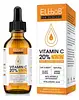 Key Ingredients
Benefits
Concerns
Ingredients Side-by-side
Water
Skin ConditioningTocopheryl Acetate
Antioxidant


Physostegia Virginiana Leaf/Stem Extract
AntiseborrhoeicAloe Barbadensis Extract
Skin Conditioning


Sodium Ascorbyl Phosphate
Antioxidant



Glycerin
Humectant
Betaine
Humectant
Proline
Skin Conditioning
Dimethyl Sulfone
SolventHamamelis Virginiana Water
Astringent


Simmondsia Chinensis Seed Oil
Emollient

Ethylhexylglycerin
Skin ConditioningSodium Hyaluronate
Humectant

Arginine
Masking
Retinol
Skin Conditioning



Carbomer
Emulsion StabilisingCamellia Sinensis Leaf Extract
Antimicrobial
Water, Tocopheryl Acetate, Physostegia Virginiana Leaf/Stem Extract, Aloe Barbadensis Extract, Sodium Ascorbyl Phosphate, Glycerin, Betaine, Proline, Dimethyl Sulfone, Hamamelis Virginiana Water, Simmondsia Chinensis Seed Oil, Ethylhexylglycerin, Sodium Hyaluronate, Arginine, Retinol, Carbomer, Camellia Sinensis Leaf Extract
Water
Skin ConditioningNiacinamide
Smoothing
Propanediol
Solvent
Glycerin
Humectant
Ascorbic Acid
Antioxidant
Glutathione
Aloe Barbadensis Leaf Juice
Skin Conditioning
Retinol
Skin Conditioning
Sodium Hyaluronate
Humectant
Caprylyl Glycol
Emollient
Hydroxyethylcellulose
Emulsion StabilisingCarbomer
Emulsion StabilisingSalicylic Acid
Masking

Tocopheryl Acetate
Antioxidant
Humulus Lupulus Extract
AntimicrobialGlyceryl Polyacrylate
Potassium Sorbate
Preservative
Copernicia Cerifera Wax
Hexylene Glycol
EmulsifyingSorbitol
Humectant
Sodium Hydroxide
BufferingSorbitan Oleate
Emulsifying
Acrylamide/Sodium Acryloyldimethyltaurate Copolymer
Emulsion StabilisingHelianthus Annuus Seed Oil
Emollient
Phenoxyethanol
Preservative
Isohexadecane
EmollientPolysorbate 80
Emulsifying
Polysorbate 20
Emulsifying
1,2-Hexanediol
Skin Conditioning
Amylopectin
Dextrin
AbsorbentPolydextrose
HumectantDisodium Cocoamphodiacetate
CleansingXanthan Gum
EmulsifyingTocopherol
Antioxidant
Citric Acid
Buffering
Sodium Benzoate
Masking
Disodium Phosphate
BufferingGold
Cosmetic ColorantPolysorbate 60
Emulsifying
Ethyl Ferulate
Antioxidant
Sodium Phosphate
BufferingWater, Niacinamide, Propanediol, Glycerin, Ascorbic Acid, Glutathione, Aloe Barbadensis Leaf Juice, Retinol, Sodium Hyaluronate, Caprylyl Glycol, Hydroxyethylcellulose, Carbomer, Salicylic Acid, Tocopheryl Acetate, Humulus Lupulus Extract, Glyceryl Polyacrylate, Potassium Sorbate, Copernicia Cerifera Wax, Hexylene Glycol, Sorbitol, Sodium Hydroxide, Sorbitan Oleate, Acrylamide/Sodium Acryloyldimethyltaurate Copolymer, Helianthus Annuus Seed Oil, Phenoxyethanol, Isohexadecane, Polysorbate 80, Polysorbate 20, 1,2-Hexanediol, Amylopectin, Dextrin, Polydextrose, Disodium Cocoamphodiacetate, Xanthan Gum, Tocopherol, Citric Acid, Sodium Benzoate, Disodium Phosphate, Gold, Polysorbate 60, Ethyl Ferulate, Sodium Phosphate
Reviews
Ingredients Explained
These ingredients are found in both products.
Ingredients higher up in an ingredient list are typically present in a larger amount.
Carbomer is a high-molecular weight polymer of acrylic acid. It is used to form gels and thicken formulas.
Due to its large molecular size, carbomer has minimal skin penetration and is considered an inert ingredient.
A high amount of carbomer can cause pilling or balling up of products. Don't worry, most products contain 1% or less of carbomer.
Learn more about CarbomerGlycerin (or glycerol) is a compound naturally found in your skin. It's a powerhouse humectant that pulls water into the stratum corneum.
Topically, glycerin does several things at once:
Your skin makes glycerin on its own (mostly from sebaceous oil breakdown) and shuttles it to your outermost layer of skin, or your epidermis, via aquaporin-3.
Aquaporin-3 is a transporter that is essential for normal skin hydration, elasticity, and repair. Interestingly, mice lacking in AQP3 have dry and less elastic skin that can be fully corrected with glycerin.
This ingredient is non-irritating, plays well with almost every ingredient, and works across all skin types. Typical use is anywhere between 3-10% but can go up to 79% in some leave-on products.
Just know very high concentrations (>40%) can feel tacky in low humidity.
Glycerin is the name for this ingredient in American English. British English uses Glycerol/Glycerine.
Learn more about GlycerinRetinol is a gold-standard ingredient for anti-aging. It is a form of Vitamin A and belongs to the class of retinoids that also includes tretinoin.
Why is retinol famous?
It has the most scientific studies backing up its skin benefits out of all the non-prescription ingredients.
Retinol is proven to:
This is why retinol is effective at removing wrinkles, fading dark spots, treating acne, and reducing the appearance of pores.
Studies show retinol is less effective when exposed to UV. Be sure to look for appropriate packaging to keep your retinol potent (similar to Vitamin C).
Using retinol or any retinoids will increase sun-sensitivity in the first few months. Though studies show retinoids increase your skin's natural SPF with continuous use, it is best to always wear sunscreen and sun-protection.
We recommend speaking with a medical professional about using this ingredient during pregnancy.
Retinol may cause irritation in some people, so be sure to patch test. Experts recommend 'ramping up' retinol use: start using this ingredient once a week and work up to using it daily.
Read about Tretinoin
Learn more about RetinolSodium Hyaluronate is the salt form of hyaluronic acid. It is a long sugar chain that is naturally found in your skin, joints, and connective tissue that maintains hydration and elasticity.
In skincare, it works as a humectant. It pulls water from the environment and deeper layers of skin and binds it to the surface.
Interestingly, the size of the molecule affects its behavior:
Some clinical evidence links low molecular weight versions to improved wrinkle depth, elasticity, anti-inflammatory effects, and barrier repair.
Many serums use a blend of both weights so you can get surface hydration plus longer-lasting and deeper effects.
You'll typically see concentrations between 0.1-2% for this ingredient.
Learn more about Sodium HyaluronateTocopheryl Acetate is AKA Vitamin E. It is an antioxidant and protects your skin from free radicals. Free radicals damage the skin by breaking down collagen.
One study found using Tocopheryl Acetate with Vitamin C decreased the number of sunburned cells.
Tocopheryl Acetate is commonly found in both skincare and dietary supplements.
Learn more about Tocopheryl AcetateWater. It's the most common cosmetic ingredient of all. You'll usually see it at the top of ingredient lists, meaning that it makes up the largest part of the product.
So why is it so popular? Water most often acts as a solvent - this means that it helps dissolve other ingredients into the formulation.
You'll also recognize water as that liquid we all need to stay alive. If you see this, drink a glass of water. Remember to stay hydrated!
Learn more about Water
