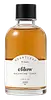
This calming toner is formulated around Houttuynia Cordata Extract and Centella Asiatica Extract to calm redness and strengthen the skin barrier.
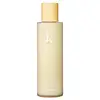
This calming toner is formulated around Limnanthes Alba Seed Oil and Panthenol to calm redness and hydrate skin.

What's inside
What's inside
 Key Ingredients
Benefits
Concerns
Ingredients Side-by-side
Houttuynia Cordata Extract
Skin Conditioning

Water
Skin ConditioningButylene Glycol
Humectant

1,2-Hexanediol
Skin Conditioning
Glycerin
Humectant
Portulaca Oleracea Extract
Skin Conditioning
Saccharomyces/Rice Ferment Filtrate Extract
Antioxidant


Centella Asiatica Extract
Cleansing

Ficus Carica Fruit Extract
Humectant
Theobroma Cacao Seed Extract
Antioxidant
Hydrogenated Lecithin
Emulsifying
Sodium Hyaluronate
Humectant
Lactobacillus Ferment Lysate
Skin Conditioning
Betaine
Humectant
Sodium Citrate
BufferingPanthenol
Skin Conditioning
Citric Acid
Buffering

Disodium EDTA
ChelatingDextrin
AbsorbentMadecassoside
Antioxidant
Ceramide NP
Skin Conditioning
Cyanocobalamin
Skin ConditioningDimethylsilanol Hyaluronate
Humectant
Sodium Acetylated Hyaluronate
Humectant
Sodium Hyaluronate Dimethylsilanol
HumectantSodium Hyaluronate Crosspolymer
Humectant
Potassium Hyaluronate
Skin ConditioningHydroxypropyltrimonium Hyaluronate
Hydrolyzed Sodium Hyaluronate
Skin Conditioning
Hydrolyzed Hyaluronic Acid
Humectant
Hyaluronic Acid
Humectant
Hydroxyacetophenone
Antioxidant
Ethylhexylglycerin
Skin ConditioningHouttuynia Cordata Extract, Water, Butylene Glycol, 1,2-Hexanediol, Glycerin, Portulaca Oleracea Extract, Saccharomyces/Rice Ferment Filtrate Extract, Centella Asiatica Extract, Ficus Carica Fruit Extract, Theobroma Cacao Seed Extract, Hydrogenated Lecithin, Sodium Hyaluronate, Lactobacillus Ferment Lysate, Betaine, Sodium Citrate, Panthenol, Citric Acid, Disodium EDTA, Dextrin, Madecassoside, Ceramide NP, Cyanocobalamin, Dimethylsilanol Hyaluronate, Sodium Acetylated Hyaluronate, Sodium Hyaluronate Dimethylsilanol, Sodium Hyaluronate Crosspolymer, Potassium Hyaluronate, Hydroxypropyltrimonium Hyaluronate, Hydrolyzed Sodium Hyaluronate, Hydrolyzed Hyaluronic Acid, Hyaluronic Acid, Hydroxyacetophenone, Ethylhexylglycerin
Potentilla Chinensis Extract
Skin ConditioningButylene Glycol
Humectant
Limnanthes Alba Seed Oil
Skin Conditioning
Water
Skin ConditioningDipropylene Glycol
HumectantPanthenol
Skin Conditioning
1,2-Hexanediol
Skin Conditioning
Lactobionic Acid
Buffering



Allantoin
Skin Conditioning
Anthemis Nobilis Flower Oil
Masking


Lavandula Angustifolia Extract
Skin Conditioning
Chamomilla Recutita Flower/Leaf Extract
AntimicrobialBorago Officinalis Extract
Emollient
Centaurea Cyanus Flower Extract
Astringent
Salvia Sclarea Extract
AntiseborrhoeicHyacinthus Orientalis Extract
Skin ConditioningSodium Hyaluronate
Humectant
Hydrolyzed Hyaluronic Acid
Humectant
Sodium Acetylated Hyaluronate
Humectant
Glycereth-25 PCA Isostearate
Emulsifying
Hydroxyacetophenone
Antioxidant
Ethylhexylglycerin
Skin ConditioningPolyglyceryl-10 Oleate
Skin Conditioning
Polyglyceryl-3 Methylglucose Distearate
Emulsifying
Hydrogenated Lecithin
Emulsifying
Melia Azadirachta Flower Extract
Skin ConditioningOcimum Sanctum Leaf Extract
Skin ConditioningMelia Azadirachta Leaf Extract
Skin ConditioningCurcuma Longa Root Extract
Antioxidant
Corallina Officinalis Extract
Skin Conditioning

Potentilla Chinensis Extract, Butylene Glycol, Limnanthes Alba Seed Oil, Water, Dipropylene Glycol, Panthenol, 1,2-Hexanediol, Lactobionic Acid, Allantoin, Anthemis Nobilis Flower Oil, Lavandula Angustifolia Extract, Chamomilla Recutita Flower/Leaf Extract, Borago Officinalis Extract, Centaurea Cyanus Flower Extract, Salvia Sclarea Extract, Hyacinthus Orientalis Extract, Sodium Hyaluronate, Hydrolyzed Hyaluronic Acid, Sodium Acetylated Hyaluronate, Glycereth-25 PCA Isostearate, Hydroxyacetophenone, Ethylhexylglycerin, Polyglyceryl-10 Oleate, Polyglyceryl-3 Methylglucose Distearate, Hydrogenated Lecithin, Melia Azadirachta Flower Extract, Ocimum Sanctum Leaf Extract, Melia Azadirachta Leaf Extract, Curcuma Longa Root Extract, Corallina Officinalis Extract
Ingredients Explained
These ingredients are found in both products.
Ingredients higher up in an ingredient list are typically present in a larger amount.
1,2-Hexanediol is a synthetic liquid and another multi-functional powerhouse.
It is a:
- Humectant, drawing moisture into the skin
- Emollient, helping to soften skin
- Solvent, dispersing and stabilizing formulas
- Preservative booster, enhancing the antimicrobial activity of other preservatives
Butylene Glycol (or BG) is used within cosmetic products for a few different reasons:
Overall, Butylene Glycol is a safe and well-rounded ingredient that works well with other ingredients.
Though this ingredient works well with most skin types, some people with sensitive skin may experience a reaction such as allergic rashes, closed comedones, or itchiness.
Learn more about Butylene GlycolEthylhexylglycerin is created from glycerin. It is a multitasker ingredient that:
The CIR Expert Panel found minimal skin absorption or sensitization of any kind in a safety assessment. Though this ingredient is considered well-tolerated, a small number of cases of allergic dermatitis have been published since 2002. Just be sure to patch test if you are unsure.
Industry-reported use ranges from 8% in rinse-off products and 2% in leave-on formulations.
Learn more about EthylhexylglycerinHydrogenated Lecithin is a more stable version of lecithin.
It's made by taking lecithin (a phospholipid commonly found in soybeans and egg yolks) and hydrogenating it. This just means the unsaturated fatty acids are turned into saturated ones so they don't go bad as easily.
This ingredient is an emollient, emulsifier, and penetration enhancer. As an emollient, it helps soften and hydrate skin by trapping moisture within. As an emulsifier, it prevents oil and water ingredients from separating.
Hydrogenated Lecithin can form tiny spherical structures made of phospholipid bilayers called liposomes. These liposomes are able to capture compounds inside their structure and deliver them through the skin barrier.
Because phospholipids are a natural component of our cell membranes, this ingredient is inherently compatible with skin.
A 2021 study found lecithin-based surfactants were less harsh and more tolerable comared to Sodium Lauryl Sulfate (SLS).
Learn more about Hydrogenated LecithinHydrolyzed Hyaluronic Acid is hyaluronic acid (HA) that is broken down into lower molecular weight fragments.
It's a humectant that pulls and holds water in the skin to help with hydration, plumpness, and reduce transepidermal water loss.
Because hydrolyzed hyaluronic acid is smaller in size, it can slip past your outermost layer of skin more easily than full-sized HA.
Most formulations will combine all sizes to get the best of both worlds.
Typical usage levels range from 0.01-1%. Any percentage higher than 2% might become goopy and tacky.
Learn more about Hydrolyzed Hyaluronic AcidHydroxyacetophenone is a small phenolic molecule that earns its place in a formulas as an antioxidant and preservative booster.
As a phenol, it is able to neutralize free radicals to protect both the product and the skin from oxidative stress.
Though it can't kill microbes on its own, it works as a good supporting agent when combined with other preservatives like Phenoxyethanol or 1,2-Hexanediol.
This ingredient naturally occurs as piceol in Norwegian spruce needles (~0.4-1.1% dry weight and in cloudberries). Though the cosmetic-grade material is synthesized for purity and consistency.
You'll usually see it used at low levels and suppliers recommend up to 1% added to a water phase.
Safety testing was done at concentrations like 0.05% in SPF products and 0.5% in a Human Repeated Insult Patch Test. The safety evidence is assuring; this ingredient is safe for cosmetics in current use and also holds safety status as a food flavoring as well.
An honest caveat: the "soothing" and "anti-inflammatory" claims come mostly from supplier marketing rather than published clinical trials. The Cosmetic Ingredient Review's own literature search found no useful efficacy studies on this ingredient.
So the antioxidant and preservative-boosting roles are the well supported ones while the calming benefit is plausible but thinly evidenced.
Overall, this is a well-tolerated, low-irritation multitasker that quietly helps a formula stay fresh and stable.
Learn more about HydroxyacetophenonePanthenol is a common ingredient that helps hydrate and soothe the skin. It is found naturally in our skin and hair.
There are two forms of panthenol: D and L.
D-panthenol is also known as dexpanthenol. Most cosmetics use dexpanthenol or a mixture of D and L-panthenol.
Panthenol is famous due to its ability to go deeper into the skin's layers. Using this ingredient has numerous pros (and no cons):
Like hyaluronic acid, panthenol is a humectant. Humectants are able to bind and hold large amounts of water to keep skin hydrated.
This ingredient works well for wound healing. It works by increasing tissue in the wound and helps close open wounds.
Once oxidized, panthenol converts to pantothenic acid. Panthothenic acid is found in all living cells.
This ingredient is also referred to as pro-vitamin B5.
Learn more about PanthenolSodium Acetylated Hyaluronate is a type of Hyaluronic Acid.
Hyaluronic Acids help moisturize, soothe, and protect the skin.
Read about common types of Hyaluronic Acid here:
Learn more about Sodium Acetylated HyaluronateSodium Hyaluronate is the salt form of hyaluronic acid. It is a long sugar chain that is naturally found in your skin, joints, and connective tissue that maintains hydration and elasticity.
In skincare, it works as a humectant. It pulls water from the environment and deeper layers of skin and binds it to the surface.
Interestingly, the size of the molecule affects its behavior:
Some clinical evidence links low molecular weight versions to improved wrinkle depth, elasticity, anti-inflammatory effects, and barrier repair.
Many serums use a blend of both weights so you can get surface hydration plus longer-lasting and deeper effects.
You'll typically see concentrations between 0.1-2% for this ingredient.
Learn more about Sodium HyaluronateWater. It's the most common cosmetic ingredient of all. You'll usually see it at the top of ingredient lists, meaning that it makes up the largest part of the product.
So why is it so popular? Water most often acts as a solvent - this means that it helps dissolve other ingredients into the formulation.
You'll also recognize water as that liquid we all need to stay alive. If you see this, drink a glass of water. Remember to stay hydrated!
Learn more about Water

