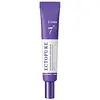
This anti-aging night moisturizer is formulated around Ectoin and Niacinamide to soften the look of wrinkles and strengthen the skin barrier.


What's inside
What's inside
 Key Ingredients
Benefits
Concerns
Ingredients Side-by-side
Water
Skin ConditioningDipropylene Glycol
HumectantEctoin
Skin Conditioning






Glycerin
Humectant
Bisphenylhexamethicone
Emollient
Niacinamide
Smoothing






Dicaprylyl Carbonate
EmollientPolyglyceryl-3 Methylglucose Distearate
Emulsifying

Vinyldimethicone
Ammonium Acryloyldimethyltaurate/Vp Copolymer
Panthenol
Skin Conditioning
Acrylates/C10-30 Alkyl Acrylate Crosspolymer
Emulsion StabilisingTromethamine
BufferingCaprylyl Glycol
Emollient
Glyceryl Stearate
Emollient
Pentylene Glycol
Skin Conditioning
Polymethylsilsesquioxane
Allantoin
Skin Conditioning
Dipotassium Glycyrrhizate
Humectant
Butylene Glycol
Humectant
Xanthan Gum
EmulsifyingEthylhexylglycerin
Skin ConditioningParfum
Masking



Retinal
Skin Conditioning
Adenosine
Skin Conditioning
Disodium EDTA
ChelatingCocos Nucifera Fruit Extract
Emollient

Citrus Limon Leaf Extract
Perfuming
1,2-Hexanediol
Skin Conditioning
Theobroma Cacao Shell Extract
Skin ConditioningAkebia Quinata Extract
Skin ConditioningEmblica Officinalis Fruit
Skin ConditioningVanilla Planifolia Fruit Water
Skin ConditioningJuniperus Communis Branch/Fruit/Leaf Extract
Skin ConditioningSodium Hyaluronate
Humectant
Potassium Hyaluronate
Skin ConditioningHydrolyzed Sodium Hyaluronate
Skin Conditioning
Hyaluronic Acid
Humectant
Hydroxypropyltrimonium Hyaluronate
Hydrolyzed Hyaluronic Acid
Humectant
Sodium Hyaluronate Crosspolymer
Humectant
Sodium Acetylated Hyaluronate
Humectant
Water, Dipropylene Glycol, Ectoin, Glycerin, Bisphenylhexamethicone, Niacinamide, Dicaprylyl Carbonate, Polyglyceryl-3 Methylglucose Distearate, Vinyldimethicone, Ammonium Acryloyldimethyltaurate/Vp Copolymer, Panthenol, Acrylates/C10-30 Alkyl Acrylate Crosspolymer, Tromethamine, Caprylyl Glycol, Glyceryl Stearate, Pentylene Glycol, Polymethylsilsesquioxane, Allantoin, Dipotassium Glycyrrhizate, Butylene Glycol, Xanthan Gum, Ethylhexylglycerin, Parfum, Retinal, Adenosine, Disodium EDTA, Cocos Nucifera Fruit Extract, Citrus Limon Leaf Extract, 1,2-Hexanediol, Theobroma Cacao Shell Extract, Akebia Quinata Extract, Emblica Officinalis Fruit, Vanilla Planifolia Fruit Water, Juniperus Communis Branch/Fruit/Leaf Extract, Sodium Hyaluronate, Potassium Hyaluronate, Hydrolyzed Sodium Hyaluronate, Hyaluronic Acid, Hydroxypropyltrimonium Hyaluronate, Hydrolyzed Hyaluronic Acid, Sodium Hyaluronate Crosspolymer, Sodium Acetylated Hyaluronate
Water
Skin ConditioningEctoin
Skin Conditioning
Isopentyldiol
Humectant
Triethylhexanoin
MaskingDiisopropyl Adipate
EmollientIsoamyl Laurate
Emollient
Dicaprylyl Carbonate
EmollientUndecane
EmollientPolyglyceryl-4 Oleate
Emulsifying
Squalane
Emollient
Tridecane
Perfuming
Polyglyceryl-6 Oleate
Emulsifying
Polyhydroxystearic Acid
Emulsifying
1,2-Hexanediol
Skin Conditioning
Simmondsia Chinensis Seed Oil
Emollient
Sodium Hyaluronate
Humectant
Caprylic/Capric Triglyceride
Masking
Tocopherol
Antioxidant

Hydroxyacetophenone
Antioxidant
Glycogen
HumectantCoco-Caprylate/Caprate
Emollient
Hydrogenated Olive Oil Unsaponifiables
Emollient
Sodium Phytate
ChelatingCitric Acid
Buffering
Stearalkonium Hectorite
Gel FormingPolyglyceryl-3 Diisostearate
Emulsifying
Polyglyceryl-3 Polyricinoleate
Emulsifying
Water, Ectoin, Isopentyldiol, Triethylhexanoin, Diisopropyl Adipate, Isoamyl Laurate, Dicaprylyl Carbonate, Undecane, Polyglyceryl-4 Oleate, Squalane, Tridecane, Polyglyceryl-6 Oleate, Polyhydroxystearic Acid, 1,2-Hexanediol, Simmondsia Chinensis Seed Oil, Sodium Hyaluronate, Caprylic/Capric Triglyceride, Tocopherol, Hydroxyacetophenone, Glycogen, Coco-Caprylate/Caprate, Hydrogenated Olive Oil Unsaponifiables, Sodium Phytate, Citric Acid, Stearalkonium Hectorite, Polyglyceryl-3 Diisostearate, Polyglyceryl-3 Polyricinoleate
Reviews
Ingredients Explained
These ingredients are found in both products.
Ingredients higher up in an ingredient list are typically present in a larger amount.
1,2-Hexanediol is a synthetic liquid and another multi-functional powerhouse.
It is a:
- Humectant, drawing moisture into the skin
- Emollient, helping to soften skin
- Solvent, dispersing and stabilizing formulas
- Preservative booster, enhancing the antimicrobial activity of other preservatives
Dicaprylyl Carbonate comes from carbonic acid and caprylyl alcohol, a fatty alcohol. It is an emollient and gives skin a velvet feel. The sources of Dicaprylyl Carbonate may be synthetic or from animals.
As an emollient, Dicaprylyl Carbonate creates a film on the skin. This film traps moisture in, keeping your skin soft and hydrated.
Ectoin is a compound found naturally in some species of bacteria. It can be synthetically created for skincare use.
This ingredient is an osmolyte; Osmolytes help organisms survive osmotic shock (it protects them from extreme conditions). It does this by influencing the properties of biological fluids within cells.
When applied to the skin, ectoin helps bind water molecules to protect our skin. The water forms a sort of armor for the parts of our skin cells, enzymes, proteins, and more.
Besides this, ectoin has many uses in skincare:
A study from 2004 found ectoin to counteract the damage from UV-A exposure at different cell levels. It has also been shown to protect skin against both UV-A, UV-B rays, infrared light, and visible light.
Studies show ectoin to have dual-action pollution protection: first, it protects our skin from further pollution damage. Second, it helps repair damage from pollution.
In fact, ectoin has been shown to help with:
Fun fact: In the EU, ectoin is used in inhalation medication as an anti-pollution ingredient.
Ectoin is a highly stable ingredient. It has a wide pH range of 1-9. Light, oxygen, and temperature do not affect this ingredient.
The chemical name for this ingredient is Tetrahydromethylpyrimidine Carboxylic Acid.
Learn more about EctoinSodium Hyaluronate is the salt form of hyaluronic acid. It is a long sugar chain that is naturally found in your skin, joints, and connective tissue that maintains hydration and elasticity.
In skincare, it works as a humectant. It pulls water from the environment and deeper layers of skin and binds it to the surface.
Interestingly, the size of the molecule affects its behavior:
Some clinical evidence links low molecular weight versions to improved wrinkle depth, elasticity, anti-inflammatory effects, and barrier repair.
Many serums use a blend of both weights so you can get surface hydration plus longer-lasting and deeper effects.
You'll typically see concentrations between 0.1-2% for this ingredient.
Learn more about Sodium HyaluronateWater. It's the most common cosmetic ingredient of all. You'll usually see it at the top of ingredient lists, meaning that it makes up the largest part of the product.
So why is it so popular? Water most often acts as a solvent - this means that it helps dissolve other ingredients into the formulation.
You'll also recognize water as that liquid we all need to stay alive. If you see this, drink a glass of water. Remember to stay hydrated!
Learn more about Water

