

What's inside
What's inside
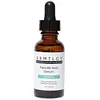 Key Ingredients
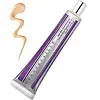
Benefits
Concerns
No concerns
Ingredients Side-by-side
Water
Skin ConditioningGlycerin
Humectant



Niacinamide
Smoothing







Sodium Chondroitin Sulfate
Skin Conditioning
Methylglucoside Phosphate
Skin ConditioningCopper Lysinate/Prolinate
Skin ConditioningGlycosaminoglycans
EmollientBambusa Vulgaris Leaf/Stem Extract
HumectantPisum Sativum Extract
Skin ConditioningGlucosamine Hcl
Sodium Hyaluronate
Humectant
Panthenol
Skin Conditioning
Phenoxyethanol
Preservative
Ethylhexylglycerin
Skin ConditioningPolysorbate 20
Emulsifying
Disodium EDTA
Water, Glycerin, Niacinamide, Sodium Chondroitin Sulfate, Methylglucoside Phosphate, Copper Lysinate/Prolinate, Glycosaminoglycans, Bambusa Vulgaris Leaf/Stem Extract, Pisum Sativum Extract, Glucosamine Hcl, Sodium Hyaluronate, Panthenol, Phenoxyethanol, Ethylhexylglycerin, Polysorbate 20, Disodium EDTA
Water
Skin ConditioningCyclopentasiloxane
Emollient
Butylene Glycol
Humectant
Neopentyl Glycol Diethylhexanoate
Emollient
Talc
Abrasive
Glycerin
Humectant
PEG-10 Dimethicone
Skin Conditioning
Dimethicone
Emollient
Phenyl Trimethicone
Skin Conditioning
Pentylene Glycol
Skin ConditioningPEG-150
HumectantMagnesium Sulfate
Aluminum Hydroxide
EmollientStearic Acid
Cleansing
Silica Dimethyl Silylate
EmollientDimethicone/Vinyl Dimethicone Crosspolymer
Skin Conditioning
Mica
Cosmetic Colorant
Phenoxyethanol
Preservative
Trimethylsiloxysilicate
Emollient
Dextrin Palmitate
Emulsifying
Tocopherol
Antioxidant

Alcohol
Antimicrobial



Rosa Damascena Flower Water
Masking
Leontopodium Alpinum Flower/Leaf Extract
Skin ConditioningThymus Vulgaris Flower/Leaf Extract
MaskingBuddleja Davidii Extract
Skin ConditioningCamellia Sinensis Leaf Extract
Antimicrobial
Chondrus Elatus/Saccharina Angustata/Monostroma Nitidum Thallus Extract
Skin ConditioningLonicera Japonica Flower Extract
Skin ConditioningGlycine Soja Protein
EmulsifyingSodium Dextran Sulfate
Gel Forming
Superoxide Dismutase
Antioxidant
Sodium Benzoate
Masking
Ethylhexylglycerin
Skin ConditioningPotassium Sorbate
Preservative
CI 77891
Cosmetic ColorantIron Oxides
Water, Cyclopentasiloxane, Butylene Glycol, Neopentyl Glycol Diethylhexanoate, Talc, Glycerin, PEG-10 Dimethicone, Dimethicone, Phenyl Trimethicone, Pentylene Glycol, PEG-150, Magnesium Sulfate, Aluminum Hydroxide, Stearic Acid, Silica Dimethyl Silylate, Dimethicone/Vinyl Dimethicone Crosspolymer, Mica, Phenoxyethanol, Trimethylsiloxysilicate, Dextrin Palmitate, Tocopherol, Alcohol, Rosa Damascena Flower Water, Leontopodium Alpinum Flower/Leaf Extract, Thymus Vulgaris Flower/Leaf Extract, Buddleja Davidii Extract, Camellia Sinensis Leaf Extract, Chondrus Elatus/Saccharina Angustata/Monostroma Nitidum Thallus Extract, Lonicera Japonica Flower Extract, Glycine Soja Protein, Sodium Dextran Sulfate, Superoxide Dismutase, Sodium Benzoate, Ethylhexylglycerin, Potassium Sorbate, CI 77891, Iron Oxides
Reviews
Ingredients Explained
These ingredients are found in both products.
Ingredients higher up in an ingredient list are typically present in a larger amount.
Ethylhexylglycerin (we can't pronounce this either) is commonly used as a preservative and skin softener. It is derived from glyceryl.
You might see Ethylhexylglycerin often paired with other preservatives such as phenoxyethanol. Ethylhexylglycerin has been found to increase the effectiveness of these other preservatives.
Glycerin is already naturally found in your skin. It helps moisturize and protect your skin.
A study from 2016 found glycerin to be more effective as a humectant than AHAs and hyaluronic acid.
As a humectant, it helps the skin stay hydrated by pulling moisture to your skin. The low molecular weight of glycerin allows it to pull moisture into the deeper layers of your skin.
Hydrated skin improves your skin barrier; Your skin barrier helps protect against irritants and bacteria.
Glycerin has also been found to have antimicrobial and antiviral properties. Due to these properties, glycerin is often used in wound and burn treatments.
In cosmetics, glycerin is usually derived from plants such as soybean or palm. However, it can also be sourced from animals, such as tallow or animal fat.
This ingredient is organic, colorless, odorless, and non-toxic.
Glycerin is the name for this ingredient in American English. British English uses Glycerol/Glycerine.
Learn more about GlycerinPhenoxyethanol is a preservative that has germicide, antimicrobial, and aromatic properties. Studies show that phenoxyethanol can prevent microbial growth. By itself, it has a scent that is similar to that of a rose.
It's often used in formulations along with Caprylyl Glycol to preserve the shelf life of products.
Water. It's the most common cosmetic ingredient of all. You'll usually see it at the top of ingredient lists, meaning that it makes up the largest part of the product.
So why is it so popular? Water most often acts as a solvent - this means that it helps dissolve other ingredients into the formulation.
You'll also recognize water as that liquid we all need to stay alive. If you see this, drink a glass of water. Stay hydrated!
Learn more about Water
