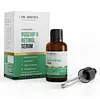
This anti-aging serum is formulated around Retinol and Rosa Canina Fruit Oil to soften the look of wrinkles and refine skin texture.
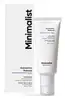
This anti-aging moisturizer is formulated around Hydroxypinacolone Retinoate and Sodium Hyaluronate to soften the look of wrinkles and refine skin texture.

What's inside
What's inside
 Key Ingredients
Benefits
Concerns
No concerns
Ingredients Side-by-side
Water
Skin ConditioningLauryl Glucoside
CleansingPolyglyceryl-6 Laurate
Emulsifying

Myristyl Glucoside
CleansingEthylhexyl Methoxycrylene
Skin Conditioning
Polyurethane Crosspolymer-1
Retinol
Skin Conditioning









Caprylic/Capric Triglyceride
Masking


Tocopherol
Antioxidant


Polyvinyl Alcohol
Glycerin
Humectant
Coco-Caprylate/Caprate
Emollient
Butylene Glycol
Humectant
Scutellaria Baicalensis Root Extract
Astringent
Sophora Flavescens Root Extract
Antioxidant
Glycyrrhiza Inflata Root Extract
Skin Conditioning
Gluconolactone
Chelating
Sodium Benzoate
Masking
Calcium Gluconate
HumectantRosa Canina Fruit Oil
Emollient
Sodium Ascorbyl Phosphate
Antioxidant
Citrus Reticulata Fruit Extract
Skin ProtectingChondrus Crispus Extract
Skin Conditioning

Sodium Hyaluronate Crosspolymer
Humectant
Pentylene Glycol
Skin Conditioning
Ceramide AP
Skin Conditioning

Acrylates/C10-30 Alkyl Acrylate Crosspolymer
Emulsion StabilisingXanthan Gum
EmulsifyingPentaerythrityl Tetra-Di-T-Butyl Hydroxyhydrocinnamate
Antioxidant
Trisodium Ethylenediamine Disuccinate
ChelatingSodium Hydroxide
BufferingWater, Lauryl Glucoside, Polyglyceryl-6 Laurate, Myristyl Glucoside, Ethylhexyl Methoxycrylene, Polyurethane Crosspolymer-1, Retinol, Caprylic/Capric Triglyceride, Tocopherol, Polyvinyl Alcohol, Glycerin, Coco-Caprylate/Caprate, Butylene Glycol, Scutellaria Baicalensis Root Extract, Sophora Flavescens Root Extract, Glycyrrhiza Inflata Root Extract, Gluconolactone, Sodium Benzoate, Calcium Gluconate, Rosa Canina Fruit Oil, Sodium Ascorbyl Phosphate, Citrus Reticulata Fruit Extract, Chondrus Crispus Extract, Sodium Hyaluronate Crosspolymer, Pentylene Glycol, Ceramide AP, Acrylates/C10-30 Alkyl Acrylate Crosspolymer, Xanthan Gum, Pentaerythrityl Tetra-Di-T-Butyl Hydroxyhydrocinnamate, Trisodium Ethylenediamine Disuccinate, Sodium Hydroxide
Water
Skin ConditioningDimethyl Isosorbide
SolventEthoxydiglycol
HumectantCoco-Caprylate/Caprate
Emollient
Caprylic/Capric Triglyceride
Masking
Propanediol
Solvent
Hydroxypinacolone Retinoate
Skin Conditioning
Tocopheryl Acetate
Antioxidant
Arachidyl Alcohol
Emollient
Behenyl Alcohol
Emollient
Arachidyl Glucoside
EmulsifyingSodium Hyaluronate
Humectant
Lysine
Skin ConditioningHistidine
Humectant
Arginine
Masking
Aspartic Acid
Masking
Threonine
Serine
Masking
Glutamic Acid
Humectant
Proline
Skin Conditioning
Glycine
Buffering
Alanine
Masking
Valine
MaskingMethionine
Skin ConditioningIsoleucine
Skin ConditioningLeucine
Skin ConditioningTyrosine
MaskingPhenylalanine
Masking
Cysteine
Antioxidant
1,2-Hexanediol
Skin Conditioning
Phenoxyethanol
Preservative
Pullulan
Ethylhexylglycerin
Skin ConditioningXanthan Gum
EmulsifyingHydroxyethylcellulose
Emulsion StabilisingSclerotium Gum
Emulsion StabilisingTrisodium Ethylenediamine Disuccinate
ChelatingLecithin
Emollient
Water, Dimethyl Isosorbide, Ethoxydiglycol, Coco-Caprylate/Caprate, Caprylic/Capric Triglyceride, Propanediol, Hydroxypinacolone Retinoate, Tocopheryl Acetate, Arachidyl Alcohol, Behenyl Alcohol, Arachidyl Glucoside, Sodium Hyaluronate, Lysine, Histidine, Arginine, Aspartic Acid, Threonine, Serine, Glutamic Acid, Proline, Glycine, Alanine, Valine, Methionine, Isoleucine, Leucine, Tyrosine, Phenylalanine, Cysteine, 1,2-Hexanediol, Phenoxyethanol, Pullulan, Ethylhexylglycerin, Xanthan Gum, Hydroxyethylcellulose, Sclerotium Gum, Trisodium Ethylenediamine Disuccinate, Lecithin
Reviews
Ingredients Explained
These ingredients are found in both products.
Ingredients higher up in an ingredient list are typically present in a larger amount.
Caprylic/Capric Triglyceride (aka MCT Oil) is a lightweight emollient, solvent, and texture enhancer. It is considered a skin-softener by helping to prevent moisture loss.
Though it behaves like an oil, it is not technically one due to its chemical composition. One perk of this ingredient is that it is very stable, resistant to oxidation, and unlikely to go rancid.
In practice, that translates to a long shelf life and a consistently elegant skin feel.
While there is an assumption Caprylic Triglyceride can clog pores due to it being derived from coconut oil, there is no research supporting this. Just patch test if you have concerns.
Fractionated coconut oil and MCT Oil are both listed as Caprylic/Capric Triglyceride according to INCI. This is because INCI names are based on the ingredient’s final chemical composition and not its marketing name or source.
This ingredient is treated as the gold standard fungal acne safe oil. Even though it is coconut derived, the problematic lauric acid is stripped out.
This leaves just caprylic (C8) and capric (C10) acid. These chain lengths actually trend antifungal; a 2020 study found caprylic acid was enough to disrupt Malassezia furfur cell membrane, with a caprylic acid derivative damaging membrane structures at concentrations as low as 0.2%.
Learn more about Caprylic/Capric TriglycerideCoco-Caprylate/Caprate is a lightweight ester created from coconut oil fatty acids, caprylic acid, and capric acid.
It is an emollient that helps soften skin and reduce transepidermal water loss (TEWL). What sets it apart from heavier emollients is its ultralight, non-greasy feel.
Once applied, this ingredient dries down quickly and leaves a dry, silky finish behind. This also helps improve spreadability and texture.
This ingredient has an excellent safety-record and is non-irritating.
Typical concentrations for cosmetics range from 0.5-62%.
Research on Malassezia growth found no growth on fatty acid esters with chain lengths shorter than 12 carbons (it prefers C11-24).
Since Coco-Caprylate/Caprate is built on C8 and C10 fatty acids, it is out of the range that Malassezia metabolizes, and therefore safe for fungal acne.
Learn more about Coco-Caprylate/CaprateTrisodium Ethylenediamine Disuccinate is used to help stabilize a product.
It is a chelating agent, meaning it helps prevent metal ions from binding to other ingredients. This prevents unwanted reactions in products. Metal ions can come into a product via the water ingredient. They are found in trace amounts and are not known to be harmful.
Water. It's the most common cosmetic ingredient of all. You'll usually see it at the top of ingredient lists, meaning that it makes up the largest part of the product.
So why is it so popular? Water most often acts as a solvent - this means that it helps dissolve other ingredients into the formulation.
You'll also recognize water as that liquid we all need to stay alive. If you see this, drink a glass of water. Remember to stay hydrated!
Learn more about WaterXanthan gum is used as a stabilizer and thickener within cosmetic products. It helps give products a sticky, thick feeling - preventing them from being too runny.
On the technical side of things, xanthan gum is a polysaccharide - a combination consisting of multiple sugar molecules bonded together.
Xanthan gum is a pretty common and great ingredient. It is a natural, non-toxic, non-irritating ingredient that is also commonly used in food products.
Learn more about Xanthan Gum

