
What's inside
What's inside
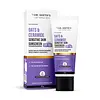 Key Ingredients
Benefits
Concerns
No concerns
Ingredients Side-by-side
Water
Skin ConditioningC12-15 Alkyl Benzoate
AntimicrobialDiethylamino Hydroxybenzoyl Hexyl Benzoate
UV Filter
Hexyl Benzoate
Perfuming
Ethylhexyl Triazone
UV Absorber
Propanediol
Solvent

Bis-Ethylhexyloxyphenol Methoxyphenyl Triazine
Skin Conditioning
Lecithin
Emollient
Phenethyl Alcohol
MaskingHydroxyacetophenone
Antioxidant
Glycerin
Humectant
Titanium Dioxide
Cosmetic Colorant
Niacinamide
Smoothing









Colloidal Oatmeal Extract
Humectant
Dimethicone
Emollient
Hyaluronic Acid
Humectant
Betaine
Humectant
1,2-Hexanediol
Skin Conditioning
Laminaria Digitata Extract
Skin Protecting
Hydrogenated Lecithin
Emulsifying
Cetyl-Pg Hydroxyethyl Palmitamide
Skin ConditioningCeramide Ns
Skin Conditioning
Ceramide Ng
Skin Conditioning
Ceramide NP
Skin Conditioning
Ceramide As
Skin Conditioning
Ceramide AP
Skin Conditioning
Cholesterol
Emollient
Panthenol
Skin Conditioning
Dicaprylyl Carbonate
EmollientAloe Barbadensis Leaf Juice
Skin Conditioning
Phenoxyethanol
Preservative
Allantoin
Skin Conditioning
Bisabolol
Antioxidant
Centella Asiatica Extract
Cleansing
Peucedanum Graveolens Extract
TonicEruca Sativa Leaf Extract
Skin ConditioningPolyacrylate-13
Polyisobutene
Polysorbate 20
Emulsifying
Tasmannia Lanceolata Fruit/Leaf Extract
Antioxidant
Copernicia Cerifera Wax
Oryza Sativa Extract
Absorbent
Acrylates/C12-22 Alkyl Methacrylate Copolymer
Lycopene
Antioxidant
Glutathione
Thermus Thermophillus Ferment
Skin ConditioningTheobroma Cacao Seed Extract
Antioxidant
Water, C12-15 Alkyl Benzoate, Diethylamino Hydroxybenzoyl Hexyl Benzoate, Hexyl Benzoate, Ethylhexyl Triazone, Propanediol, Bis-Ethylhexyloxyphenol Methoxyphenyl Triazine, Lecithin, Phenethyl Alcohol, Hydroxyacetophenone, Glycerin, Titanium Dioxide, Niacinamide, Colloidal Oatmeal Extract, Dimethicone, Hyaluronic Acid, Betaine, 1,2-Hexanediol, Laminaria Digitata Extract, Hydrogenated Lecithin, Cetyl-Pg Hydroxyethyl Palmitamide, Ceramide Ns, Ceramide Ng, Ceramide NP, Ceramide As, Ceramide AP, Cholesterol, Panthenol, Dicaprylyl Carbonate, Aloe Barbadensis Leaf Juice, Phenoxyethanol, Allantoin, Bisabolol, Centella Asiatica Extract, Peucedanum Graveolens Extract, Eruca Sativa Leaf Extract, Polyacrylate-13, Polyisobutene, Polysorbate 20, Tasmannia Lanceolata Fruit/Leaf Extract, Copernicia Cerifera Wax, Oryza Sativa Extract, Acrylates/C12-22 Alkyl Methacrylate Copolymer, Lycopene, Glutathione, Thermus Thermophillus Ferment, Theobroma Cacao Seed Extract
Water
Skin ConditioningMethylene Bis-Benzotriazolyl Tetramethylbutylphenol
UV Filter
Suncat De
Benzophenone-4
UV Absorber
Ethylhexyl Methoxycinnamate
UV Absorber
Octocrylene
UV Absorber
Ethylhexyl Triazone
UV Absorber
Diethylamino Hydroxybenzoyl Hexyl Benzoate
UV Filter
Butyl Methoxydibenzoylmethane
UV Absorber
Benzophenone-3
UV Absorber
Hydrolyzed Collagen
Emollient
Ceramide Complex
Beta Vulgaris Root Extract
Skin ConditioningHyaluronic Acid
Humectant
Niacinamide
Smoothing
Hibiscus Sabdariffa Flower Extract
Skin ConditioningPanthenol
Skin Conditioning
Rose Extract
Skin ConditioningPhenoxyethanol
Preservative
Sodium Acrylate/Sodium Acryloyldimethyl Taurate Copolymer
Emulsion StabilisingPEG-40 Hydrogenated Castor Oil
Emulsifying
Water, Methylene Bis-Benzotriazolyl Tetramethylbutylphenol, Suncat De, Benzophenone-4, Ethylhexyl Methoxycinnamate, Octocrylene, Ethylhexyl Triazone, Diethylamino Hydroxybenzoyl Hexyl Benzoate, Butyl Methoxydibenzoylmethane, Benzophenone-3, Hydrolyzed Collagen, Ceramide Complex, Beta Vulgaris Root Extract, Hyaluronic Acid, Niacinamide, Hibiscus Sabdariffa Flower Extract, Panthenol, Rose Extract, Phenoxyethanol, Sodium Acrylate/Sodium Acryloyldimethyl Taurate Copolymer, PEG-40 Hydrogenated Castor Oil
Ingredients Explained
These ingredients are found in both products.
Ingredients higher up in an ingredient list are typically present in a larger amount.
Diethylamino Hydroxybenzoyl Hexyl Benzoate (DHHB) is a chemical UV-A absorber. It is formulated for high UVA protection (320-400 nm).
DHHB is well-liked for:
DHHB has been approved by the EU, Japan, Taiwan, and South America for use up to 10%. Unfortunately, it has not been approved for use in the US or Canada due to slow regulatory processes.
This ingredient is soluble in oils, fats, and lipids.
Learn more about Diethylamino Hydroxybenzoyl Hexyl BenzoateEthylhexyl Triazone (aka Octyl Triazone) is an oil-soluble organic UVB filter. It has peak absorption around 314 nm, right in the middle of the UVB range.
This ingredient is described as one of the most effective UVB filters available and small concentrations are enough to deliver a high SPF thanks to its strong UV absorbing power.
Formulators love it for its stability; its ability to filter UV stays practically unchanged even under intense radiation and it can also help boost the photostability of less stable filters like avobenzone.
It's also a great pick for water resistant products because it's insoluble in water and has a good affinity for keratin.
Because it's a big, heavy molecule, the European Scientific Committee has found to to have very low dermal penetration and negative results for allergenicity.
In vitro testing also showed a low absorption rate and clean results on irritation.
Typical use levels are 1-5% with 5% being the maximum in the EU, Japan, and other markets that allow it. However, this ingredient is not approved yet in the US or Canada.
Learn more about Ethylhexyl TriazoneHyaluronic acid (HA) is a glycosaminoglycan (basically a long sugar chain) that your skin already makes on its own. In your skin, HA lives in the extracellular matrix and acts as the body's moisture reservoir.
Topically, HA is a humectant that binds water and helps skin look more plump, smooth, and hydrated.
The only catch is that HA isn't a single thing; it actually comes in a wide range of molecular weights (~50 - 2,000+ kDA) and size matters.
Some clinical evidence links low molecular weight versions to improved wrinkle depth, elasticity, anti-inflammatory effects, and barrier repair.
This is why the best HA serums blend the two sizes together so you get the best of both worlds.
The majority of cosmetic HA is produced by bacterial fermentation, typically using Streptococcus or Bacillus strains. Typical use levels in skincare sit around 0.1-2%.
A clinical study using a 0.2% low-molecular weight HA gel showed improvement in facial seborrheic dermatitis with excellent tolerance.
These are some other common types of Hyaluronic Acid:
Learn more about Hyaluronic AcidNiacinamide is a multitasking form of vitamin B3 that strengthens the skin barrier, reduces pores and dark spots, regulates oil, and improves signs of aging.
And the best part? It's gentle and well-tolerated by most skin types, including sensitive and reactive skin.
You might have heard of "niacin flush", or the reddening of skin that causes itchiness. Niacinamide has not been found to cause this.
In very rare cases, some individuals may not be able to tolerate niacinamide at all or experience an allergic reaction to it.
If you are experiencing flaking, irritation, and dryness with this ingredient, be sure to double check all your products as this ingredient can be found in all categories of skincare.
When incorporating niacinamide into your routine, look out for concentration amounts. Typically, 5% niacinamide provides benefits such as fading dark spots. However, if you have sensitive skin, it is better to begin with a smaller concentration.
When you apply niacinamide to your skin, your body converts it into nicotinamide adenine dinucleotide (NAD). NAD is an essential coenzyme that is already found in your cells as "fuel" and powers countless biological processes.
In your skin, NAD helps repair cell damage, produce new healthy cells, support collagen production, strengthen the skin barrier, and fight environmental stressors (like UV and pollution).
Our natural NAD levels start to decline with age, leading to slower skin repair, visible aging, and a weaker skin barrier. By providing your skin niacinamide, you're recharging your skin's NAD levels. This leads to stronger, healthier, and younger looking skin.
Another name for vitamin B3 is nicotinamide. This vitamin is water-soluble and our bodies don't store it. We obtain Vitamin B3 from either food or skincare. Meat, fish, wheat, yeast, and leafy greens contain vitamin B3.
The type of niacinamide used in skincare is synthetically created.
Learn more about NiacinamidePanthenol is a common ingredient that helps hydrate and soothe the skin. It is found naturally in our skin and hair.
There are two forms of panthenol: D and L.
D-panthenol is also known as dexpanthenol. Most cosmetics use dexpanthenol or a mixture of D and L-panthenol.
Panthenol is famous due to its ability to go deeper into the skin's layers. Using this ingredient has numerous pros (and no cons):
Like hyaluronic acid, panthenol is a humectant. Humectants are able to bind and hold large amounts of water to keep skin hydrated.
This ingredient works well for wound healing. It works by increasing tissue in the wound and helps close open wounds.
Once oxidized, panthenol converts to pantothenic acid. Panthothenic acid is found in all living cells.
This ingredient is also referred to as pro-vitamin B5.
Learn more about PanthenolPhenoxyethanol is one of the most widely used preservatives in skincare (and for good reason!).
It has a large spectrum of antimicrobial activity and especially effective bacteria, yeast, and mold while only having a weak effect on your skin's natural microbiome.
On a cellular level, it disrupts the cell membranes of microbes by poking holes that make the cell leak. This shuts down the chemical reactions the microbe needs to make energy so it can no longer survive.
Another perk of this ingredient is that it stays functional across a wide pH range (3-10).
You'll often see it paired with boosters like Ethylhexylglycerin; one study showed that a 1:9 ratio of Ethylhexylglycerin to Phenoxyethanol damages bacterial membranes as effectively as doubling the Phenoxyethanol concentration on its own.
Typical use concentrations range from 0.3-1% depending on the formula, and this ingredient is capped at 1% int the EU.
Safety-wise, the fear mongering does not hold up to the evidence. The EU's Scientific Committee on Consumer Safety and FDA consider it safe as a preservative at up to 1%, including for children of all ages.
Adverse systemic effects only showed up in animal studies at exposures roughly 200x higher than what people get from cosmetics. And despite its very widespread use, this ingredient is a rare sensitizer and allergic reactions are uncommon.
Learn more about PhenoxyethanolWater. It's the most common cosmetic ingredient of all. You'll usually see it at the top of ingredient lists, meaning that it makes up the largest part of the product.
So why is it so popular? Water most often acts as a solvent - this means that it helps dissolve other ingredients into the formulation.
You'll also recognize water as that liquid we all need to stay alive. If you see this, drink a glass of water. Remember to stay hydrated!
Learn more about Water

