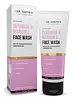
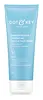
Dr. Sheth's Ceramide & Vitamin C Face Wash Versus Dot & Key Skincare Barrier Repair Gentle Hydrating Face Wash
This gel cleanser uses mild cleansing ingredients, but contains alcohol that may feel drying for some.

What's inside
What's inside
 Key Ingredients
Benefits
Concerns
Ingredients Side-by-side
Myristic Acid
Cleansing




Glycerin
Humectant

Water
Skin ConditioningPotassium Hydroxide
BufferingPropylene Glycol
Humectant
Stearic Acid
Cleansing
Decyl Glucoside
Cleansing
Lauric Acid
Cleansing
Glycol Distearate
Emollient
Xylitol
Humectant
Glucose
Humectant
Anhydroxylitol
Humectant
Nopalea Cochenillifera Extract
Skin ConditioningSodium Ascorbyl Phosphate
Antioxidant






Sodium PCA
Humectant
Glyceryl Stearate
Emollient
Phenoxyethanol
Preservative
Glyceryl Glucoside
Humectant
Polyquaternium-7
Sodium Metabisulfite
Antioxidant
Titanium Dioxide
Cosmetic Colorant

Ceramide AP
Skin Conditioning
Pentaerythrityl Tetra-Di-T-Butyl Hydroxyhydrocinnamate
Antioxidant
BHT
Antioxidant
Myristic Acid, Glycerin, Water, Potassium Hydroxide, Propylene Glycol, Stearic Acid, Decyl Glucoside, Lauric Acid, Glycol Distearate, Xylitol, Glucose, Anhydroxylitol, Nopalea Cochenillifera Extract, Sodium Ascorbyl Phosphate, Sodium PCA, Glyceryl Stearate, Phenoxyethanol, Glyceryl Glucoside, Polyquaternium-7, Sodium Metabisulfite, Titanium Dioxide, Ceramide AP, Pentaerythrityl Tetra-Di-T-Butyl Hydroxyhydrocinnamate, BHT
Water
Skin ConditioningCocamidopropyl Betaine
Cleansing
Glycerin
Humectant
Decyl Glucoside
Cleansing
Disodium Cocoyl Glutamate
Cleansing
Triethanolamine
BufferingPanthenol
Skin Conditioning
Laminaria Digitata Extract
Skin Protecting
Cetyl-Pg Hydroxyethyl Palmitamide
Skin ConditioningCeramide EOP
Skin Conditioning
Ceramide Ns
Skin Conditioning
Ceramide NP
Skin Conditioning
Ceramide As
Skin Conditioning
Ceramide AP
Skin Conditioning
Sodium Hyaluronate
Humectant
Oryza Sativa Bran Water
Masking
Lactobacillus
Skin ConditioningMaltodextrin
Absorbent
Cocos Nucifera Oil
Masking
Simmondsia Chinensis Seed Oil
Emollient
PEG-40 Hydrogenated Castor Oil
Emulsifying
Citric Acid
Buffering
Tocopheryl Acetate
Antioxidant
Acrylates/C10-30 Alkyl Acrylate Crosspolymer
Emulsion StabilisingXanthan Gum
EmulsifyingDisodium EDTA
ChelatingBenzyl Alcohol
Perfuming


Ethylhexylglycerin
Skin ConditioningTocopherol
Antioxidant
Water, Cocamidopropyl Betaine, Glycerin, Decyl Glucoside, Disodium Cocoyl Glutamate, Triethanolamine, Panthenol, Laminaria Digitata Extract, Cetyl-Pg Hydroxyethyl Palmitamide, Ceramide EOP, Ceramide Ns, Ceramide NP, Ceramide As, Ceramide AP, Sodium Hyaluronate, Oryza Sativa Bran Water, Lactobacillus, Maltodextrin, Cocos Nucifera Oil, Simmondsia Chinensis Seed Oil, PEG-40 Hydrogenated Castor Oil, Citric Acid, Tocopheryl Acetate, Acrylates/C10-30 Alkyl Acrylate Crosspolymer, Xanthan Gum, Disodium EDTA, Benzyl Alcohol, Ethylhexylglycerin, Tocopherol
Reviews
Ingredients Explained
These ingredients are found in both products.
Ingredients higher up in an ingredient list are typically present in a larger amount.
Ceramide AP is is a skin-identical lipid that mimics what your skin already makes naturally. Ceramides help maintain epidermal integrity and barrier function.
You'll often see this ingredient paired with other ceramides (like ceramide NP), cholesterol, or fatty acids because this combination best mimics the natural lipid mix your skin already has.
The skin's ability to produce ceramides gets disrupted in skin conditions like eczema. This in turn weakens the skin barrier and applying ceramides topically has been shown to replenish what's been lost to restore barrier function.
Most of the studies with Ceramide AP test it as part of a multi-ceramide complex; studies reinforce ceramide AP's role in rebalancing ceramides in skin and improving skin hydration.
Learn more about Ceramide APDecyl Glucoside is a plant-derived surfactant and emulsion stabilizer. It is created by reacting glucose with the fatty acids from plants.
Like all surfactants, it works by lowering the surface tension between water and oil. This makes it so that dirt, sebum, and makeup can be lifted off your skin and rinsed away. It also produces a dense and creamy foam.
Because it has a neutral charge, it is compatible with a wide range of ingredients and stays stable across a broad pH range/water hardiness conditions.
Patch testing has shown it to have the lowest irritation potential among common cleansing surfactants (like SLS).
Typical use levels range from 5-20% in rinse-off cleansers.
One thing worth knowing: The American Contact Dermatitis Society named the parent family, alkyl glucosides, "Allergen of the Year" in 2017. The prevalence of allergy is pretty low but be sure to patch test if you've reacted to "gentle" or sulfate-free cleansers before.
This ingredient is fungal acne safe because the fatty alcohol portion of this ingredient is not within the C11-24 chain length that Malassezia can metabolize.
Learn more about Decyl GlucosideGlycerin (or glycerol) is a compound naturally found in your skin. It's a powerhouse humectant that pulls water into the stratum corneum.
Topically, glycerin does several things at once:
Your skin makes glycerin on its own (mostly from sebaceous oil breakdown) and shuttles it to your outermost layer of skin, or your epidermis, via aquaporin-3.
Aquaporin-3 is a transporter that is essential for normal skin hydration, elasticity, and repair. Interestingly, mice lacking in AQP3 have dry and less elastic skin that can be fully corrected with glycerin.
This ingredient is non-irritating, plays well with almost every ingredient, and works across all skin types. Typical use is anywhere between 3-10% but can go up to 79% in some leave-on products.
Just know very high concentrations (>40%) can feel tacky in low humidity.
Glycerin is the name for this ingredient in American English. British English uses Glycerol/Glycerine.
Learn more about GlycerinWater. It's the most common cosmetic ingredient of all. You'll usually see it at the top of ingredient lists, meaning that it makes up the largest part of the product.
So why is it so popular? Water most often acts as a solvent - this means that it helps dissolve other ingredients into the formulation.
You'll also recognize water as that liquid we all need to stay alive. If you see this, drink a glass of water. Remember to stay hydrated!
Learn more about Water

