
What's inside
What's inside
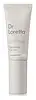 Key Ingredients
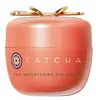
Benefits
Concerns
No concerns
Ingredients Side-by-side
Water
Skin ConditioningMethyl Gluceth-10
EmulsifyingPhenoxyethanol
Preservative
Acrylates/C10-30 Alkyl Acrylate Crosspolymer
Emulsion StabilisingCaprylyl Glycol
Emollient
1,2-Hexanediol
Skin Conditioning
Pullulan
Dimethylmethoxy Chromanyl Palmitate
Skin Conditioning
Hexylene Glycol
EmulsifyingNannochloropsis Oculata Extract
HumectantDisodium EDTA
Dimethylmethoxy Chromanol
Antioxidant
Xanthan Gum
EmulsifyingAcetyl Tetrapeptide-5
Humectant
Sodium Hyaluronate
Humectant



Sodium Hydroxide
BufferingWater, Methyl Gluceth-10, Phenoxyethanol, Acrylates/C10-30 Alkyl Acrylate Crosspolymer, Caprylyl Glycol, 1,2-Hexanediol, Pullulan, Dimethylmethoxy Chromanyl Palmitate, Hexylene Glycol, Nannochloropsis Oculata Extract, Disodium EDTA, Dimethylmethoxy Chromanol, Xanthan Gum, Acetyl Tetrapeptide-5, Sodium Hyaluronate, Sodium Hydroxide
Water
Skin ConditioningSqualane
Emollient
Saccharomyces/Rice Ferment Filtrate
Skin Conditioning
Hydrogenated Rice Bran Oil
Skin Conditioning
Glycerin
Humectant
C15-19 Alkane
SolventPropanediol
Solvent
Behenic Acid
Cleansing
Ascorbyl Glucoside
Antioxidant

Butylene Glycol
Humectant
Behenyl Alcohol
Emollient
Dipentaerythrityl Hexahydroxystearate
EmulsifyingGlyceryl Stearate Se
Emulsifying

Glyceryl Stearate
Emollient
Beheneth-20
EmulsifyingDimer Dilinoleyl Dimer Dilinoleate
EmollientCamellia Sinensis Leaf Extract
Antimicrobial


Cladosiphon Okamuranus Extract
Skin ConditioningAngelica Acutiloba Root Extract
Skin ConditioningPrunus Mume Fruit Extract
Humectant
Niacinamide
Smoothing


Sodium Hyaluronate
Humectant
Ferulic Acid
Antimicrobial
Saccharomyces Cerevisiae Extract
Skin Conditioning
Bacillus Ferment
Skin Conditioning
Lecithin
Emollient
Synthetic Fluorphlogopite
Lysolecithin
EmulsifyingSodium Stearoyl Glutamate
CleansingLysine Carboxymethyl Cysteinate
Skin ConditioningXanthan Gum
EmulsifyingStearyl Glycyrrhetinate
Skin ConditioningCaprylyl Glycol
Emollient
1,2-Hexanediol
Skin Conditioning
Caprylhydroxamic Acid
Tocopheryl Acetate
Antioxidant
Glyceryl Caprylate
EmollientTocopherol
Antioxidant
Potassium Hydroxide
BufferingPhytic Acid

Silica
Abrasive
Ethylhexylglycerin
Skin ConditioningPhenoxyethanol
Preservative
Tin Oxide
Abrasive
CI 77891
Cosmetic ColorantCI 77491
Cosmetic ColorantCI 77492
Cosmetic ColorantWater, Squalane, Saccharomyces/Rice Ferment Filtrate, Hydrogenated Rice Bran Oil, Glycerin, C15-19 Alkane, Propanediol, Behenic Acid, Ascorbyl Glucoside, Butylene Glycol, Behenyl Alcohol, Dipentaerythrityl Hexahydroxystearate, Glyceryl Stearate Se, Glyceryl Stearate, Beheneth-20, Dimer Dilinoleyl Dimer Dilinoleate, Camellia Sinensis Leaf Extract, Cladosiphon Okamuranus Extract, Angelica Acutiloba Root Extract, Prunus Mume Fruit Extract, Niacinamide, Sodium Hyaluronate, Ferulic Acid, Saccharomyces Cerevisiae Extract, Bacillus Ferment, Lecithin, Synthetic Fluorphlogopite, Lysolecithin, Sodium Stearoyl Glutamate, Lysine Carboxymethyl Cysteinate, Xanthan Gum, Stearyl Glycyrrhetinate, Caprylyl Glycol, 1,2-Hexanediol, Caprylhydroxamic Acid, Tocopheryl Acetate, Glyceryl Caprylate, Tocopherol, Potassium Hydroxide, Phytic Acid, Silica, Ethylhexylglycerin, Phenoxyethanol, Tin Oxide, CI 77891, CI 77491, CI 77492
Ingredients Explained
These ingredients are found in both products.
Ingredients higher up in an ingredient list are typically present in a larger amount.
1,2-Hexanediol is a synthetic liquid and another multi-functional powerhouse.
It is a:
- Humectant, drawing moisture into the skin
- Emollient, helping to soften skin
- Solvent, dispersing and stabilizing formulas
- Preservative booster, enhancing the antimicrobial activity of other preservatives
Caprylyl Glycol is a humectant, skin conditioner, emollient, and preservative booster derived from either caprylic acid or synthetically created.
Typical use levels vary from 0.3-1% as a preservative booster and go up to 2% to condition skin.
Because it is not a free-fatty acid, this ingredient is fungal acne safe (there's nothing for Malassezia to feed on).
Learn more about Caprylyl GlycolPhenoxyethanol is a preservative that has germicide, antimicrobial, and aromatic properties. Studies show that phenoxyethanol can prevent microbial growth. By itself, it has a scent that is similar to that of a rose.
It's often used in formulations along with Caprylyl Glycol to preserve the shelf life of products.
Sodium Hyaluronate is the salt form of hyaluronic acid. It is a long sugar chain that is naturally found in your skin, joints, and connective tissue that maintains hydration and elasticity.
In skincare, it works as a humectant. It pulls water from the environment and deeper layers of skin and binds it to the surface.
Interestingly, the size of the molecule affects its behavior:
Some clinical evidence links low molecular weight versions to improved wrinkle depth, elasticity, anti-inflammatory effects, and barrier repair.
Many serums use a blend of both weights so you can get surface hydration plus longer-lasting and deeper effects.
You'll typically see concentrations between 0.1-2% for this ingredient.
Learn more about Sodium HyaluronateWater. It's the most common cosmetic ingredient of all. You'll usually see it at the top of ingredient lists, meaning that it makes up the largest part of the product.
So why is it so popular? Water most often acts as a solvent - this means that it helps dissolve other ingredients into the formulation.
You'll also recognize water as that liquid we all need to stay alive. If you see this, drink a glass of water. Remember to stay hydrated!
Learn more about WaterXanthan gum is used as a stabilizer and thickener within cosmetic products. It helps give products a sticky, thick feeling - preventing them from being too runny.
On the technical side of things, xanthan gum is a polysaccharide - a combination consisting of multiple sugar molecules bonded together.
Xanthan gum is a pretty common and great ingredient. It is a natural, non-toxic, non-irritating ingredient that is also commonly used in food products.
Learn more about Xanthan Gum
