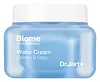
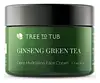
Dr. Jart+ Vital Hydra Solution™ Biome Water Cream Versus Tree to Tub Ginseng Green Tea Daily Deep Hydration Moisturizer
This barrier-repair moisturizer is formulated around Niacinamide and Hyaluronic Acid to strengthen the skin barrier and hydrate skin.
This calming moisturizer is formulated around Aloe Barbadensis Leaf Juice and Panthenol to calm redness and hydrate skin.


What's inside
What's inside
 Key Ingredients
Benefits
Concerns
Ingredients Side-by-side
Streptococcus Thermophilus Ferment
Humectant

Water
Skin ConditioningPropanediol
Solvent

Glycerin
Humectant
Phenyl Trimethicone
Skin Conditioning
1,2-Hexanediol
Skin Conditioning
Niacinamide
Smoothing









Butylene Glycol
Humectant
Hyaluronic Acid
Humectant
Hydrolyzed Hyaluronic Acid
Humectant
Sodium Hyaluronate
Humectant
Malachite Extract
Antioxidant
Tremella Fuciformis Extract
Humectant
Citrus Aurantium Dulcis Peel Oil
Masking

Eucalyptus Globulus Leaf Oil
Perfuming


Pinus Sylvestris Leaf Oil
Masking
Citrus Aurantium Bergamia Fruit Oil
Masking
Neopentyl Glycol Dicaprate
EmollientPentylene Glycol
Skin Conditioning
Raffinose
Skin ConditioningDNA
Skin ConditioningAmmonium Acryloyldimethyltaurate/Vp Copolymer
Hydroxyethyl Acrylate/Sodium Acryloyldimethyl Taurate Copolymer
Emulsion StabilisingPolymethylsilsesquioxane
Vinyldimethicone
Acrylates/C10-30 Alkyl Acrylate Crosspolymer
Emulsion StabilisingHydroxyacetophenone
Antioxidant
Tromethamine
BufferingDimethiconol
Emollient
Glyceryl Glucoside
Humectant
Ethylhexylglycerin
Skin ConditioningCellulose Gum
Emulsion StabilisingMicrocrystalline Cellulose
AbsorbentAdenosine
Skin Conditioning
Sorbitan Isostearate
Emulsifying
Glycine
Buffering
Proline
Skin Conditioning
Fructose
Humectant
Disodium EDTA
ChelatingStreptococcus Thermophilus Ferment, Water, Propanediol, Glycerin, Phenyl Trimethicone, 1,2-Hexanediol, Niacinamide, Butylene Glycol, Hyaluronic Acid, Hydrolyzed Hyaluronic Acid, Sodium Hyaluronate, Malachite Extract, Tremella Fuciformis Extract, Citrus Aurantium Dulcis Peel Oil, Eucalyptus Globulus Leaf Oil, Pinus Sylvestris Leaf Oil, Citrus Aurantium Bergamia Fruit Oil, Neopentyl Glycol Dicaprate, Pentylene Glycol, Raffinose, DNA, Ammonium Acryloyldimethyltaurate/Vp Copolymer, Hydroxyethyl Acrylate/Sodium Acryloyldimethyl Taurate Copolymer, Polymethylsilsesquioxane, Vinyldimethicone, Acrylates/C10-30 Alkyl Acrylate Crosspolymer, Hydroxyacetophenone, Tromethamine, Dimethiconol, Glyceryl Glucoside, Ethylhexylglycerin, Cellulose Gum, Microcrystalline Cellulose, Adenosine, Sorbitan Isostearate, Glycine, Proline, Fructose, Disodium EDTA
Aloe Barbadensis Leaf Juice
Skin Conditioning
Rosa Damascena Flower Water
Masking
Coco-Caprylate/Caprate
Emollient
Glycerin
Humectant
Cetearyl Olivate
Sorbitan Olivate
Emulsifying
Panthenol
Skin Conditioning
Xylitylglucoside
Humectant
Anhydroxylitol
Humectant
Xylitol
Humectant
Sodium Acrylates Copolymer
Lecithin
Emollient
1,2-Hexanediol
Skin Conditioning
Butyrospermum Parkii Butter
Skin Conditioning


Theobroma Cacao Seed Butter
Emollient
Simmondsia Chinensis Seed Oil
Emollient
Niacinamide
Smoothing
Tocopheryl Acetate
Antioxidant
Hydroxyacetophenone
Antioxidant
Sodium Hyaluronate
Humectant
Xanthan Gum
EmulsifyingAscorbic Acid
Antioxidant
Caprylhydroxamic Acid
ChelatingCamellia Sinensis Leaf Extract
Antimicrobial
Melaleuca Alternifolia Leaf Extract
Perfuming
Panax Ginseng Root Extract
Emollient
Lavandula Angustifolia Oil
Masking
Aloe Barbadensis Leaf Juice, Rosa Damascena Flower Water, Coco-Caprylate/Caprate, Glycerin, Cetearyl Olivate, Sorbitan Olivate, Panthenol, Xylitylglucoside, Anhydroxylitol, Xylitol, Sodium Acrylates Copolymer, Lecithin, 1,2-Hexanediol, Butyrospermum Parkii Butter, Theobroma Cacao Seed Butter, Simmondsia Chinensis Seed Oil, Niacinamide, Tocopheryl Acetate, Hydroxyacetophenone, Sodium Hyaluronate, Xanthan Gum, Ascorbic Acid, Caprylhydroxamic Acid, Camellia Sinensis Leaf Extract, Melaleuca Alternifolia Leaf Extract, Panax Ginseng Root Extract, Lavandula Angustifolia Oil
Reviews
Ingredients Explained
These ingredients are found in both products.
Ingredients higher up in an ingredient list are typically present in a larger amount.
1,2-Hexanediol is a synthetic liquid and another multi-functional powerhouse.
It is a:
- Humectant, drawing moisture into the skin
- Emollient, helping to soften skin
- Solvent, dispersing and stabilizing formulas
- Preservative booster, enhancing the antimicrobial activity of other preservatives
Glycerin (or glycerol) is a compound naturally found in your skin. It's a powerhouse humectant that pulls water into the stratum corneum.
Topically, glycerin does several things at once:
Your skin makes glycerin on its own (mostly from sebaceous oil breakdown) and shuttles it to your outermost layer of skin, or your epidermis, via aquaporin-3.
Aquaporin-3 is a transporter that is essential for normal skin hydration, elasticity, and repair. Interestingly, mice lacking in AQP3 have dry and less elastic skin that can be fully corrected with glycerin.
This ingredient is non-irritating, plays well with almost every ingredient, and works across all skin types. Typical use is anywhere between 3-10% but can go up to 79% in some leave-on products.
Just know very high concentrations (>40%) can feel tacky in low humidity.
Glycerin is the name for this ingredient in American English. British English uses Glycerol/Glycerine.
Learn more about GlycerinHydroxyacetophenone is a small phenolic molecule that earns its place in a formulas as an antioxidant and preservative booster.
As a phenol, it is able to neutralize free radicals to protect both the product and the skin from oxidative stress.
Though it can't kill microbes on its own, it works as a good supporting agent when combined with other preservatives like Phenoxyethanol or 1,2-Hexanediol.
This ingredient naturally occurs as piceol in Norwegian spruce needles (~0.4-1.1% dry weight and in cloudberries). Though the cosmetic-grade material is synthesized for purity and consistency.
You'll usually see it used at low levels and suppliers recommend up to 1% added to a water phase.
Safety testing was done at concentrations like 0.05% in SPF products and 0.5% in a Human Repeated Insult Patch Test. The safety evidence is assuring; this ingredient is safe for cosmetics in current use and also holds safety status as a food flavoring as well.
An honest caveat: the "soothing" and "anti-inflammatory" claims come mostly from supplier marketing rather than published clinical trials. The Cosmetic Ingredient Review's own literature search found no useful efficacy studies on this ingredient.
So the antioxidant and preservative-boosting roles are the well supported ones while the calming benefit is plausible but thinly evidenced.
Overall, this is a well-tolerated, low-irritation multitasker that quietly helps a formula stay fresh and stable.
Learn more about HydroxyacetophenoneNiacinamide is a multitasking form of vitamin B3 that strengthens the skin barrier, reduces pores and dark spots, regulates oil, and improves signs of aging.
And the best part? It's gentle and well-tolerated by most skin types, including sensitive and reactive skin.
You might have heard of "niacin flush", or the reddening of skin that causes itchiness. Niacinamide has not been found to cause this.
In very rare cases, some individuals may not be able to tolerate niacinamide at all or experience an allergic reaction to it.
If you are experiencing flaking, irritation, and dryness with this ingredient, be sure to double check all your products as this ingredient can be found in all categories of skincare.
When incorporating niacinamide into your routine, look out for concentration amounts. Typically, 5% niacinamide provides benefits such as fading dark spots. However, if you have sensitive skin, it is better to begin with a smaller concentration.
When you apply niacinamide to your skin, your body converts it into nicotinamide adenine dinucleotide (NAD). NAD is an essential coenzyme that is already found in your cells as "fuel" and powers countless biological processes.
In your skin, NAD helps repair cell damage, produce new healthy cells, support collagen production, strengthen the skin barrier, and fight environmental stressors (like UV and pollution).
Our natural NAD levels start to decline with age, leading to slower skin repair, visible aging, and a weaker skin barrier. By providing your skin niacinamide, you're recharging your skin's NAD levels. This leads to stronger, healthier, and younger looking skin.
Another name for vitamin B3 is nicotinamide. This vitamin is water-soluble and our bodies don't store it. We obtain Vitamin B3 from either food or skincare. Meat, fish, wheat, yeast, and leafy greens contain vitamin B3.
The type of niacinamide used in skincare is synthetically created.
Learn more about NiacinamideSodium Hyaluronate is the salt form of hyaluronic acid. It is a long sugar chain that is naturally found in your skin, joints, and connective tissue that maintains hydration and elasticity.
In skincare, it works as a humectant. It pulls water from the environment and deeper layers of skin and binds it to the surface.
Interestingly, the size of the molecule affects its behavior:
Some clinical evidence links low molecular weight versions to improved wrinkle depth, elasticity, anti-inflammatory effects, and barrier repair.
Many serums use a blend of both weights so you can get surface hydration plus longer-lasting and deeper effects.
You'll typically see concentrations between 0.1-2% for this ingredient.
Learn more about Sodium Hyaluronate

