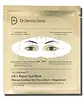
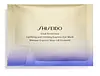
Dr. Dennis Gross Skincare DermInfusions Lift + Repair Eye Mask Versus Shiseido Vital Perfection Uplifting And Firming Express Eye Mask
This anti-aging eye mask is formulated around Ascorbic Acid and Camellia Sinensis Leaf Extract to soften the look of wrinkles and brighten dull-looking skin.


What's inside
What's inside
 Key Ingredients
Benefits
Concerns
Ingredients Side-by-side
Water
Skin ConditioningGlycerin
Humectant


Pentylene Glycol
Skin Conditioning
Ascorbic Acid
Antioxidant





Camellia Sinensis Leaf Extract
Antimicrobial



Niacinamide
Smoothing

Superoxide Dismutase
Antioxidant
Ubiquinone
Antioxidant
Ascophyllum Nodosum Extract
Skin Conditioning

Lactic Acid
Buffering


Adenosine
Skin Conditioning
Xanthan Gum
EmulsifyingSodium Hydroxide
BufferingPolysorbate 20
Emulsifying
Citric Acid
Buffering
Tetrasodium Glutamate Diacetate
ChelatingCitrus Limon Fruit Extract
Masking
Sodium Benzoate
Masking
Potassium Sorbate
Preservative
Water, Glycerin, Pentylene Glycol, Ascorbic Acid, Camellia Sinensis Leaf Extract, Niacinamide, Superoxide Dismutase, Ubiquinone, Ascophyllum Nodosum Extract, Lactic Acid, Adenosine, Xanthan Gum, Sodium Hydroxide, Polysorbate 20, Citric Acid, Tetrasodium Glutamate Diacetate, Citrus Limon Fruit Extract, Sodium Benzoate, Potassium Sorbate
Water
Skin ConditioningPentaerythrityl Tetraethylhexanoate
Emollient
Butylene Glycol
Humectant
Diphenylsiloxy Phenyl Trimethicone
Skin Conditioning
Glycerin
Humectant
Dipropylene Glycol
HumectantPotassium Methoxysalicylate
BleachingPEG-60 Hydrogenated Castor Oil
Emulsifying
Phenoxyethanol
Preservative
Carbomer
Emulsion StabilisingXanthan Gum
EmulsifyingMethylparaben
Preservative

Trisodium EDTA
ChelatingPolyvinyl Alcohol
Tocopheryl Acetate
Antioxidant
Vp/Va Copolymer
Rosa Damascena Flower Water
Masking
Sodium Citrate
BufferingPotassium Hydroxide
BufferingBHT
Antioxidant
Squalane
Emollient
Alcohol
Antimicrobial

Caffeine
Skin Conditioning
Retinol
Skin Conditioning
Polysorbate 20
Emulsifying
Citric Acid
Buffering
Lavandula Angustifolia Oil
Masking


PEG/PPG-14/7 Dimethyl Ether
Skin ConditioningParfum
Masking
Tocopherol
Antioxidant
Linalool
Perfuming
Limonene
Perfuming
Angelica Acutiloba Root Extract
Skin ConditioningAngelica Keiskei Leaf/Stem Extract
Skin ConditioningOlea Europaea Leaf Extract
Perfuming
Sanguisorba Officinalis Root Extract
CleansingLamium Album Flower/Leaf/Stem Extract
Skin ConditioningCamellia Sinensis Leaf Extract
Antimicrobial
Inositol
Humectant
Carthamus Tinctorius Flower Extract
Skin ConditioningPinus Sylvestris Cone Extract
Masking
Ziziphus Jujuba Fruit Extract
Skin ConditioningRosmarinus Officinalis Leaf Extract
AntimicrobialEucheuma Serra/Grateloupia Sparsa/Saccharina Angustata/Ulva Linza/Undaria Pinnatifida Extract
EmollientSaccharina Angustata/Undaria Pinnatifida Extract
EmollientBupleurum Falcatum Root Extract
Skin ConditioningCoix Lacryma-Jobi Ma-Yuen Seed Extract
Skin ConditioningWater, Pentaerythrityl Tetraethylhexanoate, Butylene Glycol, Diphenylsiloxy Phenyl Trimethicone, Glycerin, Dipropylene Glycol, Potassium Methoxysalicylate, PEG-60 Hydrogenated Castor Oil, Phenoxyethanol, Carbomer, Xanthan Gum, Methylparaben, Trisodium EDTA, Polyvinyl Alcohol, Tocopheryl Acetate, Vp/Va Copolymer, Rosa Damascena Flower Water, Sodium Citrate, Potassium Hydroxide, BHT, Squalane, Alcohol, Caffeine, Retinol, Polysorbate 20, Citric Acid, Lavandula Angustifolia Oil, PEG/PPG-14/7 Dimethyl Ether, Parfum, Tocopherol, Linalool, Limonene, Angelica Acutiloba Root Extract, Angelica Keiskei Leaf/Stem Extract, Olea Europaea Leaf Extract, Sanguisorba Officinalis Root Extract, Lamium Album Flower/Leaf/Stem Extract, Camellia Sinensis Leaf Extract, Inositol, Carthamus Tinctorius Flower Extract, Pinus Sylvestris Cone Extract, Ziziphus Jujuba Fruit Extract, Rosmarinus Officinalis Leaf Extract, Eucheuma Serra/Grateloupia Sparsa/Saccharina Angustata/Ulva Linza/Undaria Pinnatifida Extract, Saccharina Angustata/Undaria Pinnatifida Extract, Bupleurum Falcatum Root Extract, Coix Lacryma-Jobi Ma-Yuen Seed Extract
Reviews
Ingredients Explained
These ingredients are found in both products.
Ingredients higher up in an ingredient list are typically present in a larger amount.
Camellia Sinensis Leaf Extract (tea extract) is one of the most well-researched plant extracts in skincare with an impressive resume.
Black tea, green tea, and oolong tea are all harvested from the Camellia Sinensis plant.
Studies show green tea extract and its catechins (like epigallocatechin gallate (EGCG)) help your skin cells product energy more efficiently and reducing the number of free-radicals that can damage your skin from the inside.
In lab-grown skin models, this translated to younger, healthier, and stronger skin.
There's also good sun protection data; researchers saw less DNA damage and redness on human skin when green tea was applied before UVB exposure. And the more they applied, the better the protection.
Needless to say, this ingredient shouldn't replace your sunscreen. But it is a great supportive ingredient that you can already find in many sunscreens and antioxidant serums.
A 2009 study found a 2% green tea lotion was effective for mild-to-moderate acne thanks to its anti-inflammatory and mild antimicrobial activity.
The quality of the extract matters a lot here:
Good extracts contain 50-90% catechins while lower quality ones are mostly there for marketing. We recommend reaching out to the brand if you have questions about the quality or source of their ingredients.
Human Repeated Insult Patch Testing showed no irritation or sensitization at use concentrations (0.86% in leave-on products and up to 30% as leaf water).
Learn more about Camellia Sinensis Leaf ExtractCitric Acid is an alpha hydroxy acid (AHA) naturally found in citrus fruits like oranges, lemons, and limes.
Like other AHAs, citric acid can exfoliate skin by breaking down the bonds that hold dead skin cells together. This helps reveal smoother and brighter skin underneath.
However, this exfoliating effect only happens at high concentrations (20%) which can be hard to find in cosmetic products.
Due to this, citric acid is usually included in small amounts as a pH adjuster. This helps keep products slightly more acidic and compatible with skin's natural pH.
In skincare formulas, citric acid can:
While it can provide some skin benefits, research shows lactic acid and glycolic acid are generally more effective and less irritating exfoliants.
Most citric acid used in skincare today is made by fermenting sugars (usually from molasses). This synthetic version is identical to the natural citrus form but easier to stabilize and use in formulations.
Rosacea skin has a lower threshold for acids generally, with 62.5% of rosacea subjects in one study reacting to lactic acid in a sting test. This is why we mark citric acid as a potential rosacea trigger.
However, this ingredient shows up as a pH adjuster or chelator at roughly 0.1-1% in many products. These low levels are unlikely to be an issue for rosacea skin and becomes a potential trigger at exfoliating concentrations (20%). Because everybody's skin is unique, we recommend a patch test if you are unsure.
Learn more about Citric AcidGlycerin (or glycerol) is a compound naturally found in your skin. It's a powerhouse humectant that pulls water into the stratum corneum.
Topically, glycerin does several things at once:
Your skin makes glycerin on its own (mostly from sebaceous oil breakdown) and shuttles it to your outermost layer of skin, or your epidermis, via aquaporin-3.
Aquaporin-3 is a transporter that is essential for normal skin hydration, elasticity, and repair. Interestingly, mice lacking in AQP3 have dry and less elastic skin that can be fully corrected with glycerin.
This ingredient is non-irritating, plays well with almost every ingredient, and works across all skin types. Typical use is anywhere between 3-10% but can go up to 79% in some leave-on products.
Just know very high concentrations (>40%) can feel tacky in low humidity.
Glycerin is the name for this ingredient in American English. British English uses Glycerol/Glycerine.
Learn more about GlycerinPolysorbate 20 is a gentle, water-soluble emulsifier and mild surfactant. It stops oil and water from separating to keep your formulas blended and stable.
It also acts as a mild penetration enhancer by helping active ingredients absorb slightly better.
The common safety discussion around this ingredient involves a manufacturing byproduct called 1,4-dioxane.
Trace amounts can form during production but the EU's Scientific Committee on Consumer Safety has concluded that levels at/below 10 ppm in finished products are safe (commercial products consistently fall within acceptable margins).
True allergic reactions are uncommon and the CIR Expert Panel has confirmed this ingredient to be safe as used in cosmetics.
Because it is derived from lauric acid, it may not be fungal acne safe.
Learn more about Polysorbate 20Water. It's the most common cosmetic ingredient of all. You'll usually see it at the top of ingredient lists, meaning that it makes up the largest part of the product.
So why is it so popular? Water most often acts as a solvent - this means that it helps dissolve other ingredients into the formulation.
You'll also recognize water as that liquid we all need to stay alive. If you see this, drink a glass of water. Remember to stay hydrated!
Learn more about WaterXanthan gum is used as a stabilizer and thickener within cosmetic products. It helps give products a sticky, thick feeling - preventing them from being too runny.
On the technical side of things, xanthan gum is a polysaccharide - a combination consisting of multiple sugar molecules bonded together.
Xanthan gum is a pretty common and great ingredient. It is a natural, non-toxic, non-irritating ingredient that is also commonly used in food products.
Learn more about Xanthan Gum

