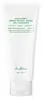
This mild gel cleanser is made to cleanse while calming and soothing your skin.


What's inside
What's inside
 Key Ingredients
Benefits
Ingredients Side-by-side
Water
Skin ConditioningGlycerin
Humectant


Sodium Cocoyl Alaninate
Surfactant
Disodium Cocoamphodiacetate
CleansingSodium Methyl Cocoyl Taurate
Cleansing
Acrylates/C10-30 Alkyl Acrylate Crosspolymer
Emulsion StabilisingBetula Platyphylla Japonica Juice
Skin Conditioning
Sodium Chloride
MaskingBetaine
Humectant
Lauryl Hydroxysultaine
Cleansing1,2-Hexanediol
Skin Conditioning
Caprylyl Glycol
Emollient
Coco-Glucoside
Cleansing
Potassium Cocoyl Glycinate
Surfactant
Citric Acid
Buffering


Sodium Cocoyl Isethionate
Cleansing
Sodium Phytate
ChelatingCaprylic/Capric Triglyceride
Masking
Dextrin
AbsorbentButylene Glycol
Humectant
Hydrogenated Lecithin
Emulsifying
Gardenia Florida Fruit Extract
Skin ConditioningHexylene Glycol
EmulsifyingQuillaja Saponaria Bark Extract
CleansingCeramide NP
Skin Conditioning


Glyceryl Caprylate
EmollientCynanchum Atratum Extract
Skin ConditioningEthylhexylglycerin
Skin ConditioningAlthaea Rosea Flower Extract
Skin ConditioningHydrolyzed Hyaluronic Acid
Humectant
Houttuynia Cordata Extract
Skin Conditioning
Water, Glycerin, Sodium Cocoyl Alaninate, Disodium Cocoamphodiacetate, Sodium Methyl Cocoyl Taurate, Acrylates/C10-30 Alkyl Acrylate Crosspolymer, Betula Platyphylla Japonica Juice, Sodium Chloride, Betaine, Lauryl Hydroxysultaine, 1,2-Hexanediol, Caprylyl Glycol, Coco-Glucoside, Potassium Cocoyl Glycinate, Citric Acid, Sodium Cocoyl Isethionate, Sodium Phytate, Caprylic/Capric Triglyceride, Dextrin, Butylene Glycol, Hydrogenated Lecithin, Gardenia Florida Fruit Extract, Hexylene Glycol, Quillaja Saponaria Bark Extract, Ceramide NP, Glyceryl Caprylate, Cynanchum Atratum Extract, Ethylhexylglycerin, Althaea Rosea Flower Extract, Hydrolyzed Hyaluronic Acid, Houttuynia Cordata Extract
Water
Skin ConditioningPotassium Laureth Phosphate
EmulsifyingGlycerin
Humectant
Betaine
Humectant
Potassium Cocoyl Glutamate
Surfactant
Acrylates/C10-30 Alkyl Acrylate Crosspolymer
Emulsion StabilisingButylene Glycol
Humectant
Aspartic Acid
Masking
Caprylyl Glycol
Emollient
Sodium Cocoyl Glutamate
Cleansing
Lauryl Hydroxysultaine
Cleansing1,2-Hexanediol
Skin Conditioning
Glyceryl Caprylate
EmollientDisodium EDTA
ChelatingAllantoin
Skin Conditioning
Sodium Hyaluronate
Humectant
Sodium Lauroyl Lactylate
EmulsifyingCeramide NP
Skin Conditioning
Ceramide AP
Skin Conditioning
Phytosphingosine
Skin Conditioning
Cholesterol
Emollient
Xanthan Gum
EmulsifyingCarbomer
Emulsion StabilisingCeramide EOP
Skin Conditioning
Water, Potassium Laureth Phosphate, Glycerin, Betaine, Potassium Cocoyl Glutamate, Acrylates/C10-30 Alkyl Acrylate Crosspolymer, Butylene Glycol, Aspartic Acid, Caprylyl Glycol, Sodium Cocoyl Glutamate, Lauryl Hydroxysultaine, 1,2-Hexanediol, Glyceryl Caprylate, Disodium EDTA, Allantoin, Sodium Hyaluronate, Sodium Lauroyl Lactylate, Ceramide NP, Ceramide AP, Phytosphingosine, Cholesterol, Xanthan Gum, Carbomer, Ceramide EOP
Reviews
Ingredients Explained
These ingredients are found in both products.
Ingredients higher up in an ingredient list are typically present in a larger amount.
1,2-Hexanediol is a synthetic liquid and another multi-functional powerhouse.
It is a:
- Humectant, drawing moisture into the skin
- Emollient, helping to soften skin
- Solvent, dispersing and stabilizing formulas
- Preservative booster, enhancing the antimicrobial activity of other preservatives
Acrylates/C10-30 Alkyl Acrylate Crosspolymer is a synthetic polymer. It is used to thicken, emulsify, and improve the texture of products.
As an emulsifier, it helps stabilize oil-in-water emulsions to give products an elegant feel when applied.
It can also form a thin protective film on skin. One study found that a formula using this polymer helped slow down how quickly other ingredients (like DEET) were absorbed through skin.
A 2024 study of over 1,300 patients confirmed that sensitization to this ingredient is rare. It is also non-mutagenic and has a clean track record.
Learn more about Acrylates/C10-30 Alkyl Acrylate CrosspolymerBetaine is a humectant. Like hyaluronic acid, it helps attract and retain moisture in the skin. It’s known for being gentle and for helping the skin maintain balanced hydration.
Betaine is mainly used to improve hydration and support calmer skin. It helps skin cells regulate water balance because it functions as an osmolyte.
Some studies suggest betaine may support making skin tone more even.
Fun fact: Betaine naturally exists in the skin and the body. In cosmetic products, it can be either plant-derived (most commonly from sugar beets) or synthetically produced for consistency and stability.
Betaine is also known as trimethylglycine.
Learn more about BetaineButylene Glycol (or BG) is used within cosmetic products for a few different reasons:
Overall, Butylene Glycol is a safe and well-rounded ingredient that works well with other ingredients.
Though this ingredient works well with most skin types, some people with sensitive skin may experience a reaction such as allergic rashes, closed comedones, or itchiness.
Learn more about Butylene GlycolCaprylyl Glycol is a humectant, skin conditioner, emollient, and preservative booster derived from either caprylic acid or synthetically created.
Typical use levels vary from 0.3-1% as a preservative booster and go up to 2% to condition skin.
Because it is not a free-fatty acid, this ingredient is fungal acne safe (there's nothing for Malassezia to feed on).
Learn more about Caprylyl GlycolCeramide NP (formerly known as Ceramide 3) is one of the skin's naturally occurring lipids.
Since ceramides are the major lipid components of the skin, they are crucial for maintaining skin barrier and hydration. Ceramide NP most closely mirrors the dominant kind in human skin amongst ceramide subtypes.
This ceramide works by slotting into gaps within the stratum corneum's lipid matrix to limit trans-epidermal water loss (TEWL) and shield the skin against external irritants.
A study with 312 patients found that using a ceramide-containing routine for 4 weeks reduced the severity of atopic dermatitis by over 61%.
Another clinical study in subjects aged 60 and older found that a ceramide body wash and moisturizer improved skin dryness and itchy skin in 15 days.
Overall, ceramides are considered non-irritating and safety tests have found little to no observable adverse effects from using this ingredient.
Ceramide NP is usually sourced from plants (like soybean or rice bran), or produced synthetically.
Learn more about Ceramide NPGlycerin (or glycerol) is a compound naturally found in your skin. It's a powerhouse humectant that pulls water into the stratum corneum.
Topically, glycerin does several things at once:
Your skin makes glycerin on its own (mostly from sebaceous oil breakdown) and shuttles it to your outermost layer of skin, or your epidermis, via aquaporin-3.
Aquaporin-3 is a transporter that is essential for normal skin hydration, elasticity, and repair. Interestingly, mice lacking in AQP3 have dry and less elastic skin that can be fully corrected with glycerin.
This ingredient is non-irritating, plays well with almost every ingredient, and works across all skin types. Typical use is anywhere between 3-10% but can go up to 79% in some leave-on products.
Just know very high concentrations (>40%) can feel tacky in low humidity.
Glycerin is the name for this ingredient in American English. British English uses Glycerol/Glycerine.
Learn more about GlycerinGlyceryl Caprylate comes from glycerin and caprylic acid. It is an emollient, co-emulsifier, and preservative booster.
Its short C8 fatty acid chain makes it behave differently from its longer-chain emollient cousins like Glyceryl Stearate. It feels more lightweight, fast-absorbing, and silky instead of rich and waxy.
As a co-emulsifier, its "head" and "tail" sit at the oil-water interface. But overall, the short C8 tail and not being water soluble means it doesn't really have the muscle to emulsify a formula on its own. That's why you'll often see it paired with a primary emulsifier like Cetearyl Glucoside.
Interestingly, Glyceryl Caprylate acts as a preservative booster. This is because its fatty-acid backbone disrupts microbial lipid membranes. It shows excellent activity against bacteria and yeast but is weaker against mold.
Typical concentrations range from 0.5-1% and this ingredient is generally non-irritating.
Because this ingredient has a C8 fatty acid chain, it is outside the range that the Malassezia yeast metabolizes (making it fungal acne safe).
Learn more about Glyceryl CaprylateLauryl Hydroxysultaine is a mild surfactant or cleansing ingredient that helps lift away dirt/oil, boost foam, and thicken the formula. It plays nicely with other surfactants and stays stable across a wide pH range.
Water. It's the most common cosmetic ingredient of all. You'll usually see it at the top of ingredient lists, meaning that it makes up the largest part of the product.
So why is it so popular? Water most often acts as a solvent - this means that it helps dissolve other ingredients into the formulation.
You'll also recognize water as that liquid we all need to stay alive. If you see this, drink a glass of water. Remember to stay hydrated!
Learn more about Water

