
What's inside
What's inside
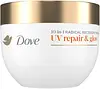 Key Ingredients
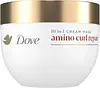
Benefits
Concerns
Ingredients Side-by-side
Water
Skin ConditioningCetearyl Alcohol
Emollient






Glycerin
Humectant


Dimethicone
Emollient
Behentrimonium Chloride
Preservative
Parfum
Masking


Lactic Acid
Buffering






Dipropylene Glycol
HumectantCitric Acid
Buffering
Cetyl Palmitate
Emollient
Sodium Gluconate
ChelatingMannitol
Humectant
Sodium Citrate
BufferingAmodimethicone
Microcrystalline Cellulose
AbsorbentSodium Benzoate
Masking
Disodium EDTA
ChelatingPEG-7 Propylheptyl Ether
Emulsion StabilisingTocopheryl Acetate
Antioxidant

Ferulic Acid
Antimicrobial
Niacinamide
Smoothing



Cocos Nucifera Oil
Masking
Chenopodium Quinoa Seed Extract
Skin Conditioning
Hydrolyzed Cicer Seed Extract
Skin ProtectingLens Esculenta Seed Extract
Skin ProtectingPrunus Armeniaca Kernel Oil
Masking
Benzyl Alcohol
Perfuming

Benzyl Salicylate
Perfuming
Citronellol
Perfuming
Hexyl Cinnamal
Perfuming
Linalool
Perfuming
CI 77491
Cosmetic ColorantMica
Cosmetic ColorantCI 17200
Cosmetic ColorantCI 77891
Cosmetic ColorantCI 19140
Cosmetic ColorantWater, Cetearyl Alcohol, Glycerin, Dimethicone, Behentrimonium Chloride, Parfum, Lactic Acid, Dipropylene Glycol, Citric Acid, Cetyl Palmitate, Sodium Gluconate, Mannitol, Sodium Citrate, Amodimethicone, Microcrystalline Cellulose, Sodium Benzoate, Disodium EDTA, PEG-7 Propylheptyl Ether, Tocopheryl Acetate, Ferulic Acid, Niacinamide, Cocos Nucifera Oil, Chenopodium Quinoa Seed Extract, Hydrolyzed Cicer Seed Extract, Lens Esculenta Seed Extract, Prunus Armeniaca Kernel Oil, Benzyl Alcohol, Benzyl Salicylate, Citronellol, Hexyl Cinnamal, Linalool, CI 77491, Mica, CI 17200, CI 77891, CI 19140
Water
Skin ConditioningCetearyl Alcohol
Emollient
Cetyl Palmitate
Emollient
Dimethicone
Emollient
Stearamidopropyl Dimethylamine
EmulsifyingBehentrimonium Chloride
Preservative
Parfum
Masking
Citric Acid
Buffering
Glycerin
Humectant
Dipropylene Glycol
HumectantAmodimethicone
Serine
Masking
Arginine
Masking
Glutamic Acid
Humectant
Sodium Gluconate
ChelatingSodium Benzoate
Masking
Histidine Hcl
Skin ConditioningSodium Citrate
BufferingSimmondsia Chinensis Seed Oil
Emollient
Vitis Vinifera Fruit Extract
Skin ConditioningPanthenol
Skin Conditioning
Niacinamide
Smoothing
Ascorbic Acid
Antioxidant
Tocopheryl Acetate
Antioxidant
Biotin
AntiseborrhoeicLactic Acid
Buffering
Benzyl Salicylate
Perfuming
Citronellol
Perfuming
Hexyl Cinnamal
Perfuming
Limonene
Perfuming
Linalool
Perfuming
CI 42090
Cosmetic ColorantCI 17200
Cosmetic ColorantCI 19140
Cosmetic ColorantWater, Cetearyl Alcohol, Cetyl Palmitate, Dimethicone, Stearamidopropyl Dimethylamine, Behentrimonium Chloride, Parfum, Citric Acid, Glycerin, Dipropylene Glycol, Amodimethicone, Serine, Arginine, Glutamic Acid, Sodium Gluconate, Sodium Benzoate, Histidine Hcl, Sodium Citrate, Simmondsia Chinensis Seed Oil, Vitis Vinifera Fruit Extract, Panthenol, Niacinamide, Ascorbic Acid, Tocopheryl Acetate, Biotin, Lactic Acid, Benzyl Salicylate, Citronellol, Hexyl Cinnamal, Limonene, Linalool, CI 42090, CI 17200, CI 19140
Ingredients Explained
These ingredients are found in both products.
Ingredients higher up in an ingredient list are typically present in a larger amount.
This water-soluble silicone is used for its hydrating and softening properties. It is used to add a silky feel to skincare products and has great benefits for haircare.
In haircare, this ingredient:
- Adds shine
- Protects color
- Offers thermal protection
- Boosts hair strength
- Does not build up as easily
This ingredient is a preservative and often used for it's anti-static properties. You'll most likely see this ingredient in hair conditioners.
It does not cause irritation or sensitization in leave-on products at 1-5%.
Benzyl Salicylate is a solvent and fragrance additive. It is an ester of benzyl alcohol and salicylic acid. This ingredient can be naturally found in some plants and plant extracts.
In fragrances, Benzyl Salicylate may be a solvent or a fragrance component. In synthetic musk scents, it is used as a solvent. For floral fragrances such as lilac and jasmine, it is used as a fragrance component. The natural scent of Benzyl Salicylate is described as "lightly-sweet, slightly balsamic".
While Benzyl Salicylate has been associated with contact dermatitis and allergies, emerging studies show it may not be caused by this ingredient alone.
However, this ingredient is often used with fragrances and other components that may cause allergies. It is still listed as a known allergen in the EU. We recommend speaking with a professional if you have concerns.
Another study from 2021 shows Benzyl Salicylate may have anti-inflammatory properties.
Learn more about Benzyl SalicylateCetearyl alcohol is a waxy mixture of two fatty alcohols: cetyl alcohol and stearyl alcohol. It is an emollient and emulsifier.
Despite having "alcohol" in its name, it has nothing to do with drying solvent alcohols; the FDA also allows "alcohol-free" products to contain fatty alcohols like this ingredient.
It plays several roles in a formula:
Typical use levels for this ingredient sit around 1-10% and the Cosmetic Ingredient Review Expert Panel has affirmed safety at concentrations up to 25% in leave-on products.
Multiple assessments have found it to be non-irritating and non-sensitizing to most people.
However, there have been some cases of allergic contact dermatitis in patients with chronically compromised skin barriers.
Cetearyl alcohol has a comedogenic rating of 2 and irritancy rating of 1. Both of these numbers come from the 1989 study that used rabbit ears; a "2" means mildly comedogenic and a "1" means low irritancy.
Here's the catch: rabbit skin is more sensitive than human skin and throws a lot of false positives. A 1996 reappraisal found that ingredients rated 1-2 in the rabbit ear tests are generally safe for humans.
Remember comedogenic ratings are unable to assess the entire formula of a product or how it will react on your skin. Just be sure to patch test if you are unsure about certain ingredients.
This ingredient is not fungal acne safe. Cetearyl alcohol is a fatty alcohol with chain lengths that fall within the range that Malassezia can metabolize.
A 2019 study has also observed Malassezia growth in the presence of this ingredient, confirming it to be not-fungal acne safe.
Learn more about Cetearyl AlcoholCetyl Palmitate is a wax-ester that pulls triple duty as an emollient, thickener, and emulsion enhancer.
It helps enhance the texture of products by giving a smooth, silky feel while helping to stabilize the formula. The emollient action softens skin and reduces moisture loss.
This ingredient is considered safe and human testing of concentrations between 2.5-2.7% were found minimal irritation. Just know, there have been very rare cases of the palmitate family causing contact dermatitis.
This ingredient may not be fungal acne safe because it contains a C16 ester (palmitic acid) that falls into the C11-24 range that Malassezia can feed on.
Learn more about Cetyl PalmitateCI 17200 is a synthetic, water-soluble, reddish-pink dye. It is used purely as a cosmetic colorant.
In the US, the FDA permits this ingredient in cosmetics but it is not approved for use around the eyes while the EU allows this to be used in all cosmetic products.
The FDA requires batch-to-batch certification for this ingredient that is held to a pretty rigorous standard. That means the CI 17200 in your cosmetics has been tested and approved before it ever reaches you.
Contact allergy to cosmetic-grade dyes used at low concentrations are uncommon but has been documented before.
This ingredient also goes by the name D&C RED NO. 33.
CI 17200 has a comedogenic rating of 1 and an irritancy rating of 2 on a scale of 0-5. This is based on peer-reviewed research from the man who invented the comedogenic scale.
A 1 on the comedogenic scale is about as low as it gets without being a flat zero, and makes sense for CI 17200.
It's a water-soluble dye used at very small concentrations (typically 0.001-0.1%), so it dissolves into the water phase of a formula rather than sitting on your skin the way an oil or wax would.
The irritancy rating of 2 reflects that, like most synthetic dyes, there's a small possibility of mild irritation ( particularly for people with existing dye sensitivities).
For the vast majority of people, it's a non-issue at typical use levels.
It's also worth keeping in mind that comedogenic and irritancy ratings are tested on individual ingredients, not finished formulas. The final product's formulation, concentration, and other ingredients all play a role in how something actually behaves on your skin.
Just so you know, the FDA ban on Red Dye No. 3 refers to CI 45430, not this ingredient. CI 45430 and CI 17200 are different chemical compounds with distinct safety and regulatory histories.
It's also worth noting that Red No. 3 (CI 45430) was already banned from cosmetics back in 1990, so the 2025 action just extended the ban to food and oral drugs. CI 17200 was never part of any of this.
Learn more about CI 17200CI 19140 is also known as Tartrazine. Tartrazine is a synthetic dye used in cosmetics, foods, and medicine to add a yellow color.
Tartrazine is created from petroleum and is water-soluble.
Some people may experience allergies from this dye, especially asthmatics and those with an aspirin intolerance.
Learn more about CI 19140Citric Acid is an alpha hydroxy acid (AHA) naturally found in citrus fruits like oranges, lemons, and limes.
Like other AHAs, citric acid can exfoliate skin by breaking down the bonds that hold dead skin cells together. This helps reveal smoother and brighter skin underneath.
However, this exfoliating effect only happens at high concentrations (20%) which can be hard to find in cosmetic products.
Due to this, citric acid is usually included in small amounts as a pH adjuster. This helps keep products slightly more acidic and compatible with skin's natural pH.
In skincare formulas, citric acid can:
While it can provide some skin benefits, research shows lactic acid and glycolic acid are generally more effective and less irritating exfoliants.
Most citric acid used in skincare today is made by fermenting sugars (usually from molasses). This synthetic version is identical to the natural citrus form but easier to stabilize and use in formulations.
Rosacea skin has a lower threshold for acids generally, with 62.5% of rosacea subjects in one study reacting to lactic acid in a sting test. This is why we mark citric acid as a potential rosacea trigger.
However, this ingredient shows up as a pH adjuster or chelator at roughly 0.1-1% in many products. These low levels are unlikely to be an issue for rosacea skin and becomes a potential trigger at exfoliating concentrations (20%). Because everybody's skin is unique, we recommend a patch test if you are unsure.
Learn more about Citric AcidCitronellol is used to add fragrance/parfum to a product. It is often derived from plants such as roses. In fact, it can be found in many essential oils including geranium, lavender, neroli, and more. The scent of Citronellol is often described as "fresh, grassy, and citrus-like".
Since the Citronellol molecule is already unstable, Citronellol becomes irritating on the skin when exposed to air.
Citronellol is a modified terpene. Terpenes are unsaturated hydrocarbons found in plants. They make up the primary part of essential oils.
Citronellol is not able to be absorbed into deeper layers of the skin. It has low permeability,
Citronellol is also a natural insect repellent.
Learn more about CitronellolDimethicone is a type of synthetic silicone created from natural materials such as quartz. It is also known as polydimethylsiloxane.
What it does:
Dimethicone comes in different viscosities:
Depending on the viscosity, dimethicone has different properties.
Ingredients lists don't always show which type is used, so we recommend reaching out to the brand if you have questions about the viscosity.
This ingredient is unlikely to cause irritation because it does not get absorbed into skin. However, people with silicone allergies should be careful about using this ingredient.
Note: Dimethicone may contribute to pilling. This is because it is not oil or water soluble, so pilling may occur when layered with products. When mixed with heavy oils in a formula, the outcome is also quite greasy.
Learn more about DimethiconeDipropylene Glycol is a synthetically created humectant, stabilizer, and solvent.
This ingredient helps:
Dipropylene glycol is technically an alcohol, but it belongs to the glycol family (often considered part of the ‘good’ alcohols). This means it is hydrating and gentle on skin unlike drying solvent alcohols like denatured alcohol.
As a masking agent, Dipropylene Glycol can be used to cover the smell of other ingredients. However, it does not have a scent.
Studies show Dipropylene Glycol is considered safe to use in skincare.
Learn more about Dipropylene GlycolGlycerin (or glycerol) is a compound naturally found in your skin. It's a powerhouse humectant that pulls water into the stratum corneum.
Topically, glycerin does several things at once:
Your skin makes glycerin on its own (mostly from sebaceous oil breakdown) and shuttles it to your outermost layer of skin, or your epidermis, via aquaporin-3.
Aquaporin-3 is a transporter that is essential for normal skin hydration, elasticity, and repair. Interestingly, mice lacking in AQP3 have dry and less elastic skin that can be fully corrected with glycerin.
This ingredient is non-irritating, plays well with almost every ingredient, and works across all skin types. Typical use is anywhere between 3-10% but can go up to 79% in some leave-on products.
Just know very high concentrations (>40%) can feel tacky in low humidity.
Glycerin is the name for this ingredient in American English. British English uses Glycerol/Glycerine.
Learn more about GlycerinHexyl Cinnamal is a fragrance ingredient with a similar scent to jasmine. It can be naturally found in chamomile essential oil.
This ingredient is a known EU allergen and may sensitize the skin. The EU requires this ingredient to be listed separately on an ingredients list.
Hexyl Cinnamal is not water soluble but is soluble in oils.
Learn more about Hexyl CinnamalLactic Acid is another well-loved alpha hydroxy acid (AHA). It is gentler than glycolic acid but still highly effective.
Its main role is to exfoliate the surface of the skin by loosening the “glue” that holds dead skin cells together. Shedding those old cells leads to smoother, softer, and more even-toned skin.
Because lactic acid molecules are larger than glycolic acid, they don’t penetrate as deeply. This means they’re less likely to sting or irritate, making it a great choice for beginners or those with sensitive skin.
Like glycolic acid, it can:
Lactic acid also acts as a humectant (like hyaluronic acid). It can draw water into the skin to improve hydration and also plays a role in the skin's natural moisturizing factor (NMF) in the form of sodium lactate.
Studies show it can boost ceramide production to strengthen the skin barrier and even help balance the skin’s microbiome.
To get results, choose products with a pH between 3-4.
Lower strengths (5-12%) focus on surface exfoliation; higher strengths (12% and up) can reach deeper in the dermis (deeper, supportive layer) to improve skin texture and firmness over time.
Though it was originally derived from milk, most modern lactic acid used in skincare is vegan. It is made through non-dairy fermentation to create a bio-identical and stable form suitable for all formulations.
When lactic acid shows up near the end of an ingredient list, it usually means the brand added just a tiny amount to adjust the product’s pH.
Legend has it that Cleopatra used to bathe in sour milk to help reduce wrinkles.
Lactic acid is truly a gentle multitasker: it exfoliates, hydrates, strengthens, and brightens. It's a great ingredient for giving your skin a smooth, glowing, and healthy look without the harshness of stronger acids.
Read more about some other popular AHA's here:
Learn more about Lactic AcidLinalool is a small, naturally occurring scent molecule found in plants like lavender, coriander, bergamot, and more.
It is one of the two most-used fragrance ingredients in cosmetics and added purely for smell. Since it's not used for a skin benefit, there's no "effective dose". Concentration depends on the fragrance load of the product.
The EU requires it to be named on the label above 0.001% in leave-on and 0.01% in rinse-off products.
Fresh linalool is a weak sensitizer but air exposure turns some of it into hydroperoxides, which are strong sensitizers. Those oxidation products are the actual allergy concern.
Patch-test clinics see positive reactions to linalool hydroperoxides in about 4% to 12% of dermatitis patients depending on country and test concentration.
Resassuringly, one analytical study found hydroperoxide levels in real fragranced products to be orders of magnitude below what induced sensitization in animal studies with no evidence of oxidation building up during normal storage.
The practical takeaway is that linalool is fine for most people but worth avoiding if you have a confirmed fragrance contact allergy or a badly compromised barrier.
Products stored a long time after opening are also the high-risk scenario since that is when oxidation happens.
The scent of linalool is described as floral, spicy tropical, and citrus-like.
Learn more about LinaloolNiacinamide is a multitasking form of vitamin B3 that strengthens the skin barrier, reduces pores and dark spots, regulates oil, and improves signs of aging.
And the best part? It's gentle and well-tolerated by most skin types, including sensitive and reactive skin.
You might have heard of "niacin flush", or the reddening of skin that causes itchiness. Niacinamide has not been found to cause this.
In very rare cases, some individuals may not be able to tolerate niacinamide at all or experience an allergic reaction to it.
If you are experiencing flaking, irritation, and dryness with this ingredient, be sure to double check all your products as this ingredient can be found in all categories of skincare.
When incorporating niacinamide into your routine, look out for concentration amounts. Typically, 5% niacinamide provides benefits such as fading dark spots. However, if you have sensitive skin, it is better to begin with a smaller concentration.
When you apply niacinamide to your skin, your body converts it into nicotinamide adenine dinucleotide (NAD). NAD is an essential coenzyme that is already found in your cells as "fuel" and powers countless biological processes.
In your skin, NAD helps repair cell damage, produce new healthy cells, support collagen production, strengthen the skin barrier, and fight environmental stressors (like UV and pollution).
Our natural NAD levels start to decline with age, leading to slower skin repair, visible aging, and a weaker skin barrier. By providing your skin niacinamide, you're recharging your skin's NAD levels. This leads to stronger, healthier, and younger looking skin.
Another name for vitamin B3 is nicotinamide. This vitamin is water-soluble and our bodies don't store it. We obtain Vitamin B3 from either food or skincare. Meat, fish, wheat, yeast, and leafy greens contain vitamin B3.
The type of niacinamide used in skincare is synthetically created.
Learn more about NiacinamideParfum is a catch-all term for an ingredient or more that is used to give a scent to products.
Also called "fragrance", this ingredient can be a blend of hundreds of chemicals or plant oils. This means every product with "fragrance" or "parfum" in the ingredients list is a different mixture.
For instance, Habanolide is a proprietary trade name for a specific aroma chemical. When used as a fragrance ingredient in cosmetics, most aroma chemicals fall under the broad labeling category of “FRAGRANCE” or “PARFUM” according to EU and US regulations.
The term 'parfum' or 'fragrance' is not regulated in many countries. In many cases, it is up to the brand to define this term.
For instance, many brands choose to label themselves as "fragrance-free" because they are not using synthetic fragrances. However, their products may still contain ingredients such as essential oils that are considered a fragrance by INCI standards.
One example is Calendula flower extract. Calendula is an essential oil that still imparts a scent or 'fragrance'.
Depending on the blend, the ingredients in the mixture can cause allergies and sensitivities on the skin. Some ingredients that are known EU allergens include linalool and citronellol.
Parfum can also be used to mask or cover an unpleasant scent.
The bottom line is: not all fragrances/parfum/ingredients are created equally. If you are worried about fragrances, we recommend taking a closer look at an ingredient. And of course, we always recommend speaking with a professional.
Learn more about ParfumSodium Benzoate is a preservative. It's used in both cosmetic and food products to inhibit the growth of mold and bacteria. It is typically produced synthetically.
Both the US FDA and EU Health Committee have approved the use of sodium benzoate. In the US, levels of 0.1% (of the total product) are allowed.
Sodium benzoate works as a preservative by inhibiting the growth of bacteria inside of cells. It prevents the cell from fermenting a type of sugar using an enzyme called phosphofructokinase.
It is the salt of benzoic acid. Foods containing sodium benzoate include soda, salad dressings, condiments, fruit juices, wines, and snack foods.
Studies for using ascorbic acid and sodium benzoate in cosmetics are lacking, especially in skincare routines with multiple steps.
We always recommend speaking with a professional, such as a dermatologist, if you have any concerns.
Learn more about Sodium BenzoateSodium Citrate is the sodium salts of citric acid. In skincare, it is used to alter pH levels and acts as a preservative.
Its main functions are to maintain the pH of a product and neutralize metal ions.
The acidity of our skin is maintained by our glands and skin biome; normal pH level of skin is slightly acidic (~4.75-5.5).
Being slightly acidic allows our skin to create an "acid mantle". This acid mantle is a thin barrier that protects our skin from bacteria and contaminants.
Learn more about Sodium CitrateSodium Gluconate is the sodium salt of gluconic acid. In skincare, its main job is as a chelator.
Chelators grab onto stray metal ions like iron and copper that sneak in through water, raw materials, or manufacturing equipment. This stops them from triggering reactions that cause oils to go rancid, formulas to change color, and actives like vitamin C to fall apart.
This ingredient is often chosen as a biodegradable, gentler-sounding alternative to EDTA. It also pulls double duty as a mild humectant and pH buffer.
Typical use levels sit around 0.1-1% and supplier documents list up to 10% as an acceptable ceiling. Industry data found this ingredient family is mostly used well below 1% in leave on products.
Allergy risk is very low; animal testing has found it to be non-irritating to skin and eyes, mutagenicity assays came back negative, and there are no published reports of allergic contact dermatitis to it.
Learn more about Sodium GluconateTocopheryl Acetate is a stable, shelf-friendly form of vitamin E.
Formulators love it because plain vitamin E oxidizes quickly once it hits air. This acetate version stays stable and resists going off, helping to extend a product's shelf life.
It's actually inactive on its own and works like a slow-release "storage" form; the enzymes in your skin called esterases gradually convert it into active vitamin E over time.
One in vivo study showed 5% of the acetate in the living layer of the epidermis converted to vitamin E after 5 days of application. This study also found the skin gained protection against UV damage even though the conversion was slow and small.
Once converted, vitamin E acts as a skin's main fat-soluble antioxidant that fights free radicals to protect skin from damage.
Topical vitamin E generally boosts the skin's photoprotection, and it reduced UV-damage in animal models.
This ingredient has some brightening potential but it's more of a prevention ingredient than spot-fader. Cell studies show it can slow down melanin production but it's worth noting that it's not the most powerful brightener out there.
Overall, it has a pretty solid safety profile and has been found to be non-irritating and non-comedogenic. Allergic reactions may happen but stay rare due to how widely the ingredient gets used.
The concentration will vary depending on the formula; industry data shows 0.1% in baby lotions, 3% in lipsticks, and 5% in foot powders. You can also find this ingredient at 100% in a pure vitamin E oil.
Most leave-on skincare keeps it at the lower end, often between 0.5-1%.
Learn more about Tocopheryl AcetateWater. It's the most common cosmetic ingredient of all. You'll usually see it at the top of ingredient lists, meaning that it makes up the largest part of the product.
So why is it so popular? Water most often acts as a solvent - this means that it helps dissolve other ingredients into the formulation.
You'll also recognize water as that liquid we all need to stay alive. If you see this, drink a glass of water. Remember to stay hydrated!
Learn more about Water

