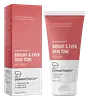
Dermatouch Dailyglow Bright & Even Skin Tone Face Wash Versus Cetaphil Healthy Radiance Brightness Reveal Creamy Cleanser
This glycolic acid foaming cleanser is formulated around Glycolic Acid to exfoliate and smooth skin.


What's inside
What's inside
 Key Ingredients
Benefits
Concerns
Ingredients Side-by-side
Water
Skin ConditioningStearic Acid
Cleansing



Lauric Acid
Cleansing

Glycerin
Humectant

Sorbitol
Humectant
Myristic Acid
Cleansing
Coco-Glucoside
Cleansing
Propylene Glycol
Humectant
Kojic Acid
Antioxidant



Globules
Glycyrrhiza Glabra Root Extract
Bleaching

Phenoxyethanol
Preservative
Ethylhexylglycerin
Skin ConditioningNiacinamide
Smoothing





Sodium PEG-7 Olive Oil Carboxylate
Emulsifying
Sodium Hydroxide
BufferingSalicylic Acid
Masking


Triclosan
Preservative
Allantoin
Skin Conditioning
Panthenol
Skin Conditioning
Disodium EDTA
ChelatingGlycolic Acid
Buffering

Lactic Acid
Buffering
Tocopherol
Antioxidant
Ascorbic Acid
Antioxidant
Potassium Hydroxide
BufferingParfum
Masking

Water, Stearic Acid, Lauric Acid, Glycerin, Sorbitol, Myristic Acid, Coco-Glucoside, Propylene Glycol, Kojic Acid, Globules, Glycyrrhiza Glabra Root Extract, Phenoxyethanol, Ethylhexylglycerin, Niacinamide, Sodium PEG-7 Olive Oil Carboxylate, Sodium Hydroxide, Salicylic Acid, Triclosan, Allantoin, Panthenol, Disodium EDTA, Glycolic Acid, Lactic Acid, Tocopherol, Ascorbic Acid, Potassium Hydroxide, Parfum
Glycerin
Humectant
Water
Skin ConditioningStearic Acid
Cleansing
Myristic Acid
Cleansing
Potassium Hydroxide
BufferingLauric Acid
Cleansing
Palmitic Acid
Emollient
Cocamidopropyl Betaine
Cleansing
Hydrogenated Polyisobutene
EmollientGlyceryl Stearate
Emollient
Anhydroxylitol
Humectant
Arachidic Acid
Cleansing
Butylene Glycol
Humectant
Capric Acid
Cleansing
Caprylyl Glycol
Emollient
Ethylhexylglycerin
Skin ConditioningHydrogenated Polydecene
EmollientNiacinamide
Smoothing
Oleic Acid
Emollient
Pancratium Maritimum Extract
BleachingPolyquaternium-7
Potassium Benzoate
Preservative
Sodium Benzoate
Masking
Sodium Chloride
MaskingSorbitol
Humectant
Trisodium Ethylenediamine Disuccinate
ChelatingXylitol
Humectant
Xylitylglucoside
Humectant
Glycerin, Water, Stearic Acid, Myristic Acid, Potassium Hydroxide, Lauric Acid, Palmitic Acid, Cocamidopropyl Betaine, Hydrogenated Polyisobutene, Glyceryl Stearate, Anhydroxylitol, Arachidic Acid, Butylene Glycol, Capric Acid, Caprylyl Glycol, Ethylhexylglycerin, Hydrogenated Polydecene, Niacinamide, Oleic Acid, Pancratium Maritimum Extract, Polyquaternium-7, Potassium Benzoate, Sodium Benzoate, Sodium Chloride, Sorbitol, Trisodium Ethylenediamine Disuccinate, Xylitol, Xylitylglucoside
Reviews
Ingredients Explained
These ingredients are found in both products.
Ingredients higher up in an ingredient list are typically present in a larger amount.
Ethylhexylglycerin is created from glycerin. It is a multitasker ingredient that:
The CIR Expert Panel found minimal skin absorption or sensitization of any kind in a safety assessment. Though this ingredient is considered well-tolerated, a small number of cases of allergic dermatitis have been published since 2002. Just be sure to patch test if you are unsure.
Industry-reported use ranges from 8% in rinse-off products and 2% in leave-on formulations.
Learn more about EthylhexylglycerinGlycerin (or glycerol) is a compound naturally found in your skin. It's a powerhouse humectant that pulls water into the stratum corneum.
Topically, glycerin does several things at once:
Your skin makes glycerin on its own (mostly from sebaceous oil breakdown) and shuttles it to your outermost layer of skin, or your epidermis, via aquaporin-3.
Aquaporin-3 is a transporter that is essential for normal skin hydration, elasticity, and repair. Interestingly, mice lacking in AQP3 have dry and less elastic skin that can be fully corrected with glycerin.
This ingredient is non-irritating, plays well with almost every ingredient, and works across all skin types. Typical use is anywhere between 3-10% but can go up to 79% in some leave-on products.
Just know very high concentrations (>40%) can feel tacky in low humidity.
Glycerin is the name for this ingredient in American English. British English uses Glycerol/Glycerine.
Learn more about GlycerinLauric Acid is a saturated fatty acid naturally found in coconut oil, palm kernel oil, and even breast milk.
In cosmetics, it is an:
Lab studies have found that lauric acid is surprisingly good at killing acne-causing bacteria. However, these tests were done on bacteria in a petri dish and not on real skin, so we can't say for certain it works the same in a formulation on a real face.
The comedogenic rating of 4 comes from the 1972 rabbit ear model using undiluted ingredients. Comedogenicity is highly individual and one comedogenic ingredient cannot predict how a formula will behave on skin.
This ingredient is not fungal acne safe and research has confirmed Malassezia can use it as a food source. Even though "fungal acne" has the word "acne" in it, they are completely different. Regular acne is driven by a bacteria called Cutibacterium acnes, clogged pores, and excess oil. Fungal acne isn't really acne; it's caused by an overgrowth of a yeast called Malassezia that already lives on everyone's skin. Because one is bacterial and the other is fungal, they respond to different ingredients.
Learn more about Lauric AcidMyristic Acid, aka tetradecanoic acid, is a naturally occurring fatty acid found in coconut oil, milk fat, and palm oil.
In skincare, it is an:
Research indicates that this ingredient posts a low risk of irritation and sensitization.
Industry survey data collected for this ingredient puts real-world usage concentrations anywhere from 0.00002% to 20% (most of the high end sits in rinse-off products).
Myristic Acid is not a recognized contact allergen and there are no published case reports of allergic contact dermatitis to it. Human testing found it to be non-irritating at 100% and at 40-50% in mineral oil. There are complaints about high-Myristic-acid cleansers leaving a tight feeling behind, but that has more to do with soap chemistry and pH than an allergy.
This ingredient does have a comedogenic rating of 3, but this doesn't mean a formula with this ingredient will clog pores.
Human testing has proved that any finished product with this ingredient won't automatically make you break out; it really comes down to concentration, formula, and your skin. Some people still find it breaks them out. So if that's you, definitely trust your skin.
Since myristic acid is a C14 fatty acid, it falls within the range that Malassezia can metabolize (C11-24), and therefore may not be fungal acne safe.
Learn more about Myristic AcidNiacinamide is a multitasking form of vitamin B3 that strengthens the skin barrier, reduces pores and dark spots, regulates oil, and improves signs of aging.
And the best part? It's gentle and well-tolerated by most skin types, including sensitive and reactive skin.
You might have heard of "niacin flush", or the reddening of skin that causes itchiness. Niacinamide has not been found to cause this.
In very rare cases, some individuals may not be able to tolerate niacinamide at all or experience an allergic reaction to it.
If you are experiencing flaking, irritation, and dryness with this ingredient, be sure to double check all your products as this ingredient can be found in all categories of skincare.
When incorporating niacinamide into your routine, look out for concentration amounts. Typically, 5% niacinamide provides benefits such as fading dark spots. However, if you have sensitive skin, it is better to begin with a smaller concentration.
When you apply niacinamide to your skin, your body converts it into nicotinamide adenine dinucleotide (NAD). NAD is an essential coenzyme that is already found in your cells as "fuel" and powers countless biological processes.
In your skin, NAD helps repair cell damage, produce new healthy cells, support collagen production, strengthen the skin barrier, and fight environmental stressors (like UV and pollution).
Our natural NAD levels start to decline with age, leading to slower skin repair, visible aging, and a weaker skin barrier. By providing your skin niacinamide, you're recharging your skin's NAD levels. This leads to stronger, healthier, and younger looking skin.
Another name for vitamin B3 is nicotinamide. This vitamin is water-soluble and our bodies don't store it. We obtain Vitamin B3 from either food or skincare. Meat, fish, wheat, yeast, and leafy greens contain vitamin B3.
The type of niacinamide used in skincare is synthetically created.
Learn more about NiacinamidePotassium Hydroxide (also known as potash) is a strong alkaline ingredient that does one job: it nudges a product's pH up so the whole formula lands in a skin-friendly range.
It's also the base that turns oils into liquid soap during the soap making process.
An expert safety panel reviewed it and found it safe when formulations are made to be non-irritating.
As a pH adjuster, it's typically used well under 1% though regulatory caps go much higher: 5% in nail cuticle removers and 2-4.5% in hair straighteners.
Though there is some concern for irritation from raw or high pH material, a well-balanced formula will be a non-issue for the vast majority of people.
Learn more about Potassium HydroxideSorbitol is a sugar alcohol. It is a hydrating and moisturizing agent created from the reduction process of glucose.
Most sorbitol is usually made from potato starch. It is also found in fruits such as apples and pears.
As a humectant, Sorbitol helps draw water to the skin. This helps keep the skin hydrated. Sorbitol also helps create a thicker texture in products. You might find sorbitol in your toothpaste and other gels.
It is a non-irritating ingredient that is great for those with dry skin.
Sorbitol is a prebiotic. It helps promote the growth of healthy bacteria on your skin. The bacteria on your skin form a microbiome. This microbiome helps protect your skin from infection and harmful bacteria.
Learn more about SorbitolStearic Acid is a fatty acid that is already found in your skin. It's one of the free fatty acids that works alongside ceramides and cholesterols to maintain your barrier.
In cosmetics, it is a multitasker:
Safety-wise, the CIR Expert Panel has concluded it to be safe in cosmetics when formulated to be non-irritating and non-sensitizing.
Free stearic acid is a C18 fatty acid that the Malassezia yeast can substrate, so this ingredient may not be fungal acne safe.
Learn more about Stearic AcidWater. It's the most common cosmetic ingredient of all. You'll usually see it at the top of ingredient lists, meaning that it makes up the largest part of the product.
So why is it so popular? Water most often acts as a solvent - this means that it helps dissolve other ingredients into the formulation.
You'll also recognize water as that liquid we all need to stay alive. If you see this, drink a glass of water. Remember to stay hydrated!
Learn more about Water

