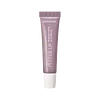
This anti-aging lip moisturizer is formulated around Hydrolyzed Sodium Hyaluronate and Ceramide NP to soften the look of wrinkles and hydrate lips.
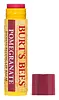
This lip moisturizer is formulated around Helianthus Annuus Seed Oil and Cocos Nucifera Oil to hydrate lips.


What's inside
What's inside
 Key Ingredients
Benefits
Concerns
Ingredients Side-by-side
Hydrogenated Polyisobutene
EmollientDiisostearyl Malate
EmollientPhytosteryl/Isostearyl/Cetyl/Stearyl/Behenyl Dimer Dilinoleate
Skin Conditioning

Hydrogenated Polydecene
EmollientPolyglyceryl-2 Triisostearate
Emulsifying
Polyisobutene
Coco-Caprylate/Caprate
Emollient
Microcrystalline Wax
Emulsion StabilisingEuphorbia Cerifera Wax
Ethylhexyl Triazone
UV Absorber
Tocopheryl Acetate
Antioxidant


Ethylene/Propylene Copolymer
Abrasive
Bis-Ethylhexyloxyphenol Methoxyphenyl Triazine
UV Absorber
Silica Dimethyl Silylate
EmollientSorbitan Sesquioleate
Emulsifying
Synthetic Wax
Abrasive
Capsicum Frutescens Fruit Extract
Skin Conditioning
Limnanthes Alba Seed Oil
Skin Conditioning

Ricinus Communis Seed Oil
Masking
Glycine Soja Oil
Emollient



Zingiber Officinale Root Oil
Masking

Menthol
Masking

Glyceryl Caprylate
EmollientCaprylyl Glycol
Emollient
Menthyl PCA
HumectantGlyceryl Behenate
Emollient
Hydrolyzed Sodium Hyaluronate
Skin Conditioning
Citric Acid
Buffering
Water
Skin ConditioningButylene Glycol
Humectant
Tocopherol
Antioxidant

1,2-Hexanediol
Skin Conditioning
Methyl Nicotinate
SoothingCeramide NP
Skin Conditioning
Allantoin
Skin Conditioning
Panthenol
Skin Conditioning
Nonapeptide-1
Skin Conditioning
Dipeptide Diaminobutyroyl Benzylamide Diacetate
Skin Conditioning
Acetyl Hexapeptide-8
Humectant
Copper Tripeptide-1
Skin Conditioning
Tripeptide-1
Skin Conditioning
Palmitoyl Tetrapeptide-7
Skin Conditioning
Palmitoyl Tripeptide-1
Skin Conditioning
Palmitoyl Tripeptide-5
Skin Conditioning
Palmitoyl Pentapeptide-4
Skin Conditioning
Palmitoyl Hexapeptide-12
Skin Conditioning
Pentapeptide-3
Skin Conditioning
Hexapeptide-9
Skin Conditioning
Parfum
Masking
CI 45380
Cosmetic ColorantCI 45410
Cosmetic ColorantHydrogenated Polyisobutene, Diisostearyl Malate, Phytosteryl/Isostearyl/Cetyl/Stearyl/Behenyl Dimer Dilinoleate, Hydrogenated Polydecene, Polyglyceryl-2 Triisostearate, Polyisobutene, Coco-Caprylate/Caprate, Microcrystalline Wax, Euphorbia Cerifera Wax, Ethylhexyl Triazone, Tocopheryl Acetate, Ethylene/Propylene Copolymer, Bis-Ethylhexyloxyphenol Methoxyphenyl Triazine, Silica Dimethyl Silylate, Sorbitan Sesquioleate, Synthetic Wax, Capsicum Frutescens Fruit Extract, Limnanthes Alba Seed Oil, Ricinus Communis Seed Oil, Glycine Soja Oil, Zingiber Officinale Root Oil, Menthol, Glyceryl Caprylate, Caprylyl Glycol, Menthyl PCA, Glyceryl Behenate, Hydrolyzed Sodium Hyaluronate, Citric Acid, Water, Butylene Glycol, Tocopherol, 1,2-Hexanediol, Methyl Nicotinate, Ceramide NP, Allantoin, Panthenol, Nonapeptide-1, Dipeptide Diaminobutyroyl Benzylamide Diacetate, Acetyl Hexapeptide-8, Copper Tripeptide-1, Tripeptide-1, Palmitoyl Tetrapeptide-7, Palmitoyl Tripeptide-1, Palmitoyl Tripeptide-5, Palmitoyl Pentapeptide-4, Palmitoyl Hexapeptide-12, Pentapeptide-3, Hexapeptide-9, Parfum, CI 45380, CI 45410
Helianthus Annuus Seed Oil
Emollient
Cera Alba
Emollient
Cocos Nucifera Oil
Masking
Ricinus Communis Seed Oil
Masking
Lanolin
Emollient
Aroma
Punica Granatum Seed Oil
Emollient
Tocopherol
Antioxidant
Rosmarinus Officinalis Leaf Extract
AntimicrobialGlycine Soja Oil
Emollient
Canola Oil
Emollient
CI 75470
Cosmetic ColorantBenzyl Salicylate
Perfuming
Cinnamal
Perfuming
Citral
Perfuming
Eugenol
Perfuming
Geraniol
Perfuming
Hydroxycitronellal
Perfuming
Limonene
Perfuming
Linalool
Perfuming
Helianthus Annuus Seed Oil, Cera Alba, Cocos Nucifera Oil, Ricinus Communis Seed Oil, Lanolin, Aroma, Punica Granatum Seed Oil, Tocopherol, Rosmarinus Officinalis Leaf Extract, Glycine Soja Oil, Canola Oil, CI 75470, Benzyl Salicylate, Cinnamal, Citral, Eugenol, Geraniol, Hydroxycitronellal, Limonene, Linalool
Reviews
Ingredients Explained
These ingredients are found in both products.
Ingredients higher up in an ingredient list are typically present in a larger amount.
Glycine Soja Oil is a plant-derived oil from soybean seeds. Like other oils, it is rich in essential fatty acids (mostly linoleic and oleic) that support skin hydration and barrier function.
The fatty acids are able to integrate into the lipid matrix of the stratum corneum to help soften skin and reduce water loss.
On top of that, soybean oil is rich in vitamins like vitamin E, a potent antioxidant.
Research on soybean's active components also point to anti-inflammatory, collagen-stimulating, antioxidant activity, and protection against UV-induced oxidative damage.
Most of this research applies to the broader soybean plant and not just the oil fraction alone.
This ingredient does carry a comedogenic rating of 3 from the old rabbit-ear assay. Just remember testing finished products in humans showed that formulas built with "comedogenic" ingredients are not necessarily comedogenic themselves. It's worth patch testing if you're breakout prone, and always listen to your skin.
Because this ingredient is a saturated triglyceride, it may not be fungal acne safe. This is because Malassezia breaks down sebum triglycerides into fatty acids it can consume, making this ingredient a possible source for the yeast.
Learn more about Glycine Soja OilThis ingredient is also known as castor oil. It is a skin conditioning ingredient.
The star component of castor oil is ricinoleic acid, an unusual fatty acid that makes up ~80-92% of its composition.
In skincare, it is an emollient that dries down to a solid film with water-binding properties. This helps keep skin hydrated and helps reduce transepidermal water loss (TEWL).
A 2026 dermatology review pulls together its broader uses:
Human clinical testing found this ingredient to be non-irritating and non-sensitizing.
Because castor oil contains fatty acids in the C11-24 range, this ingredient may not be fungal acne safe.
At this time, the literature does not support castor oil in regrowing hair. A 2022 systematic review found no strong evidence that it supports hair growth and only weak evidence that it improves hair shine.
Castor oil itself carries "perfuming" and "masking" function tags according to the official CosIng database. This is because of its mild odor and odor-dampening properties.
Learn more about Ricinus Communis Seed OilTocopherol is a fat-soluble antioxidant known as Vitamin E.
You'll find this ingredient in the vast majority of skincare (for good reason). It works to neutralize free radicals, or unstable molecules generated by UV exposure, pollution, and other environmental stressors, before they can cause oxidative damage to your skin cells.
Topically applied tocopherol has been shown to protect against UV damage by ramping up the skin's own natural defense enzymes.
It also acts as a skin conditioning agent; some studies show that regular topical use can improve the skin's water-binding capacity over 2-4 weeks.
This ingredient is especially loved for being a team player. When combined with Vitamin C, the photoprotective effect of both ingredients roughly doubles and the combo also helps reduce UV-induced DNA damage.
This ingredient has some brightening potential but it's more of a prevention ingredient than spot-fader. Cell studies show it can slow down melanin production but it's worth noting that it's not the most powerful brightener out there.
In formulations, it also serves as a stabilizer that helps protect other oxidation-prone ingredients from degrading.
Concentrations usually range from 0.1-1% in most leave-on products.
Learn more about Tocopherol

