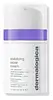
This barrier-repair moisturizer is formulated around Squalane and Dipotassium Glycyrrhizate to strengthen the skin barrier and calm redness.

What's inside
What's inside
 Key Ingredients
Benefits
Concerns
Ingredients Side-by-side
Water
Skin ConditioningButylene Glycol
Humectant

Glycerin
Humectant
Squalane
Emollient
Butyrospermum Parkii Butter
Skin Conditioning




Caprylic/Capric Triglyceride
Masking
Palmitic Acid
Emollient
Simmondsia Chinensis Seed Oil
Emollient
Glyceryl Stearate Se
Emulsifying
Propanediol
Solvent
Hexyldecanol
Emollient
Polyglyceryl-3 Methylglucose Distearate
Emulsifying
Hydroxyacetophenone
Antioxidant
Dipotassium Glycyrrhizate
Humectant

Centella Asiatica Extract
Cleansing
Boerhavia Diffusa Root Extract
Skin Protecting
Myrothamnus Flabellifolia Leaf/Stem Extract
HumectantTasmannia Lanceolata Leaf Extract
Skin ConditioningBrassica Campestris Sterols
EmollientZingiber Officinale Root Extract
Masking
Tocopherol
Antioxidant


Lactobacillus Ferment
Skin Conditioning
Cetylhydroxyproline Palmitamide
Skin ConditioningCaprylyl Glycol
Emollient
Triolein
Skin Conditioning
Maltodextrin
Absorbent
Bisabolol
Antioxidant
Xanthan Gum
EmulsifyingCetearyl Alcohol
Emollient
Myristic Acid
Cleansing
Tetrasodium Glutamate Diacetate
ChelatingHydroxystearic Acid
Cleansing
1,2-Hexanediol
Skin Conditioning
Sodium Hydroxide
BufferingCitric Acid
Buffering
Sodium Polyacryloyldimethyl Taurate
Emulsion StabilisingAmmonium Acryloyldimethyltaurate/Vp Copolymer
Stearic Acid
Cleansing
Acacia Senegal Gum
MaskingWater, Butylene Glycol, Glycerin, Squalane, Butyrospermum Parkii Butter, Caprylic/Capric Triglyceride, Palmitic Acid, Simmondsia Chinensis Seed Oil, Glyceryl Stearate Se, Propanediol, Hexyldecanol, Polyglyceryl-3 Methylglucose Distearate, Hydroxyacetophenone, Dipotassium Glycyrrhizate, Centella Asiatica Extract, Boerhavia Diffusa Root Extract, Myrothamnus Flabellifolia Leaf/Stem Extract, Tasmannia Lanceolata Leaf Extract, Brassica Campestris Sterols, Zingiber Officinale Root Extract, Tocopherol, Lactobacillus Ferment, Cetylhydroxyproline Palmitamide, Caprylyl Glycol, Triolein, Maltodextrin, Bisabolol, Xanthan Gum, Cetearyl Alcohol, Myristic Acid, Tetrasodium Glutamate Diacetate, Hydroxystearic Acid, 1,2-Hexanediol, Sodium Hydroxide, Citric Acid, Sodium Polyacryloyldimethyl Taurate, Ammonium Acryloyldimethyltaurate/Vp Copolymer, Stearic Acid, Acacia Senegal Gum
Water
Skin ConditioningAloe Barbadensis Leaf Juice
Skin Conditioning
Palmitic Acid
Emollient
Triethanolamine
BufferingIsopentane
SolventLaureth-23
Cleansing
Sorbitol
Humectant
Stearic Acid
Cleansing
Isobutane
Glyceryl Oleate
Emollient

Parfum
Masking
Phenoxyethanol
Preservative
Glycerin
Humectant
Hydroxyethylcellulose
Emulsion StabilisingBisabolol
Antioxidant
Allantoin
Skin Conditioning
CI 77891
Cosmetic ColorantHydroxypropylcellulose
EmulsifyingDisodium Phosphate
BufferingPolysorbate 60
Emulsifying
Sodium Phosphate
BufferingSilica
Abrasive


Hydroxycitronellal
Perfuming
Water, Aloe Barbadensis Leaf Juice, Palmitic Acid, Triethanolamine, Isopentane, Laureth-23, Sorbitol, Stearic Acid, Isobutane, Glyceryl Oleate, Parfum, Phenoxyethanol, Glycerin, Hydroxyethylcellulose, Bisabolol, Allantoin, CI 77891, Hydroxypropylcellulose, Disodium Phosphate, Polysorbate 60, Sodium Phosphate, Silica, Hydroxycitronellal
Reviews
Ingredients Explained
These ingredients are found in both products.
Ingredients higher up in an ingredient list are typically present in a larger amount.
Bisabolol is a gentle skin conditioner, antioxidant, and soothing ingredient.
It's primary claim to fame is soothing and research shows topically applied bisabolol can quiet the chemical messengers that cause your skin to become inflamed, helping to sooth any irritation.
A clinical study found that applying 0.5% bisabolol daily for 8 weeks produced an average 9% decrease in skin pigmentation. Researchers found it can also suppress the process that leads to excess melanin production in skin.
In vitro studies found that bisabolol combined with propylene glycol significantly increased skin permeability by increasing lipid fluidity in the stratum corneum.
You'll likely see use concentrations quite low, usually 0.1-0.2%.
Overall, this is a well-tolerated ingredient that works well in formulas designed for sensitive, reactive, or post-procedure skin.
Learn more about BisabololGlycerin (or glycerol) is a compound naturally found in your skin. It's a powerhouse humectant that pulls water into the stratum corneum.
Topically, glycerin does several things at once:
Your skin makes glycerin on its own (mostly from sebaceous oil breakdown) and shuttles it to your outermost layer of skin, or your epidermis, via aquaporin-3.
Aquaporin-3 is a transporter that is essential for normal skin hydration, elasticity, and repair. Interestingly, mice lacking in AQP3 have dry and less elastic skin that can be fully corrected with glycerin.
This ingredient is non-irritating, plays well with almost every ingredient, and works across all skin types. Typical use is anywhere between 3-10% but can go up to 79% in some leave-on products.
Just know very high concentrations (>40%) can feel tacky in low humidity.
Glycerin is the name for this ingredient in American English. British English uses Glycerol/Glycerine.
Learn more about GlycerinPalmitic Acid is a fatty acid naturally found in our skin and in many plant and animal sources.
In cosmetics, it is usually derived from palm oil. It serves many purposes in skincare, acting as a cleanser, emollient, and emulsifier.
Interestingly, topically applied Palmitic Acid can be elongated into longer chain fatty acids and ceramides. A 2019 study found low levels of Palmitic Acid lead to slower development of cells, suggesting it plays a role in keeping your skin's renewal process on track.
The CIR (Cosmetic Ingredient Review) panel determined it safe as used in cosmetics at concentrations up to 13%. It is non-irritating and non-sensitizing in clinical studies.
The culprit behind fungal acne, the Malassezia yeast, feeds on fatty acids with carbon chain lengths between C11-C24. Palmitic Acid, at C16, falls right into that sweet spot.
In vitro studies have shown that Palmitic Acid is one of the fatty acids that induce rapid Malassezia growth in lab settings.
It's worth noting that what feeds yeast in a lab doesn't necessarily feed it on your face since formulation and your skin's chemistry play a bigger role.
This ingredient does have a comedogenic rating of 2, but this doesn't mean a formula with this ingredient will clog pores.
Human testing has proved that any finished product with a comedogenic ingredient won't automatically make you break out; it really comes down to concentration, formula, and your skin.
Learn more about Palmitic AcidStearic Acid is a fatty acid that is already found in your skin. It's one of the free fatty acids that works alongside ceramides and cholesterols to maintain your barrier.
In cosmetics, it is a multitasker:
Safety-wise, the CIR Expert Panel has concluded it to be safe in cosmetics when formulated to be non-irritating and non-sensitizing.
Free stearic acid is a C18 fatty acid that the Malassezia yeast can substrate, so this ingredient may not be fungal acne safe.
This ingredient does have a comedogenic rating of 2-3, but this doesn't mean a formula with this ingredient will clog pores.
Human testing has proved that any finished product with this ingredient won't automatically make you break out; it really comes down to concentration, formula, and your skin.
Learn more about Stearic AcidWater. It's the most common cosmetic ingredient of all. You'll usually see it at the top of ingredient lists, meaning that it makes up the largest part of the product.
So why is it so popular? Water most often acts as a solvent - this means that it helps dissolve other ingredients into the formulation.
You'll also recognize water as that liquid we all need to stay alive. If you see this, drink a glass of water. Remember to stay hydrated!
Learn more about Water

